
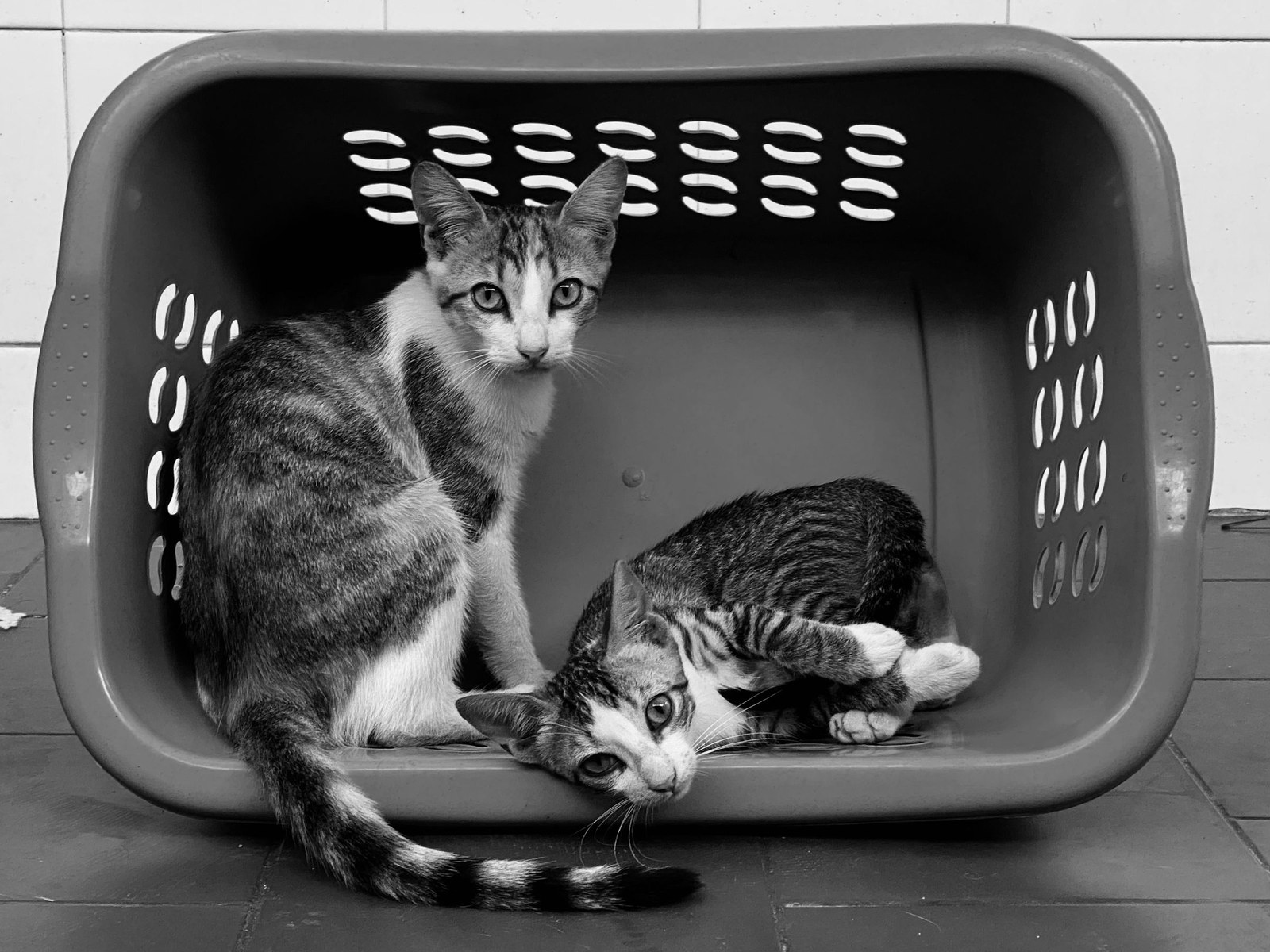
Always check inside the washer and dryer before running them, because warm, quiet, clothes-filled machines are exactly the kind of enclosed nap spot cats seek out — and a sleeping cat can be trapped when the door closes and a cycle starts. A three-second look, every single time, is one of the highest-value safety habits a cat household can build.
Why Machines Attract Cats
From a cat's perspective, a dryer full of warm laundry is a five-star hotel: soft, dark, quiet, smelling of home, and raised off the floor. Front-loaders left ajar after a cycle invite exploration, and a cat curled deep in a pile of towels can be nearly invisible — especially dark-coated cats in dim utility rooms, and especially when the person loading the next wash is in a hurry, arms full, working by feel.
Cats also climb in mid-load. You carry a basket to another room, return, add the last items, and close the door on a cat who slipped in during your thirty-second absence. Kittens and small, curious breeds are at particular risk, but any cat who loves laundry baskets — which is most of them — shares the instinct.
The Habit That Prevents It
Make the check physical, not just visual:
- Look inside the drum before every load, even if you "just" loaded it yourself.
- Run a hand over and under the laundry pile, or give bedding a shake before adding it.
- Tap or slowly rotate the drum and pause — a sleeping cat often shifts or meows.
- Keep machine doors closed when not actively loading or unloading, so the nap spot never opens.
- Ask everyone in the household — partners, teenagers, cleaners, guests doing a favour — to follow the same rule, and mention it to cat sitters too.
If your laundry area allows it, keep the door to that room shut, or fit the routine into one sequence you never vary: open, look, load, look again, close, start. Habits survive because they are automatic, not because they are remembered on good days.
Related Warm, Enclosed Hazards
The same instinct draws cats to other risky spots worth building checks around: open suitcases being packed (mostly a stowaway risk), dishwashers being loaded, wardrobes and drawers that close for days, car boots, and the warm engine bays of parked cars in winter — a knock on the bonnet before starting is an old habit worth keeping. Airing cupboards and tumble-dryer vents are benign until a door or schedule changes; the principle is always the same — look before you close anything a cat could be inside.
If the Worst Happens
If a cycle starts with a cat inside, stop the machine immediately, open it as soon as it safely allows, and call an emergency veterinarian at once — even if your cat walks out apparently unhurt. Heat, water, detergent, and tumbling can cause injuries, overheating, and chemical exposure that are not obvious in the first minutes, and shock can mask pain. Keep her warm, quiet, and still on the way in, and tell the clinic exactly what cycle and detergent were involved. Do not wait to see how she seems by evening.
Ask Kimmy Your Laundry-Safety Questions
Kimmy is there inside KinsLe when a laundry-safety question goes beyond the basic drum check. Ask how to set up the laundry room so a cat cannot slip in unnoticed — a door kept shut, machines closed between loads — or what to do in the first minutes after finding a cat shut inside a washer. You can also work through smaller calls: whether a childproof latch fits your dryer door, how to brief a sitter who does laundry, and why kittens need that room blocked off entirely.
That is where a direct question beats guessing from habit alone. Kimmy on KinsLe can field follow-up questions about keeping cats out of laundry machines, with replies drawn from the KinsLe Answers library, so a worry that surfaces mid-cycle gets a considered response instead of a shrug.