
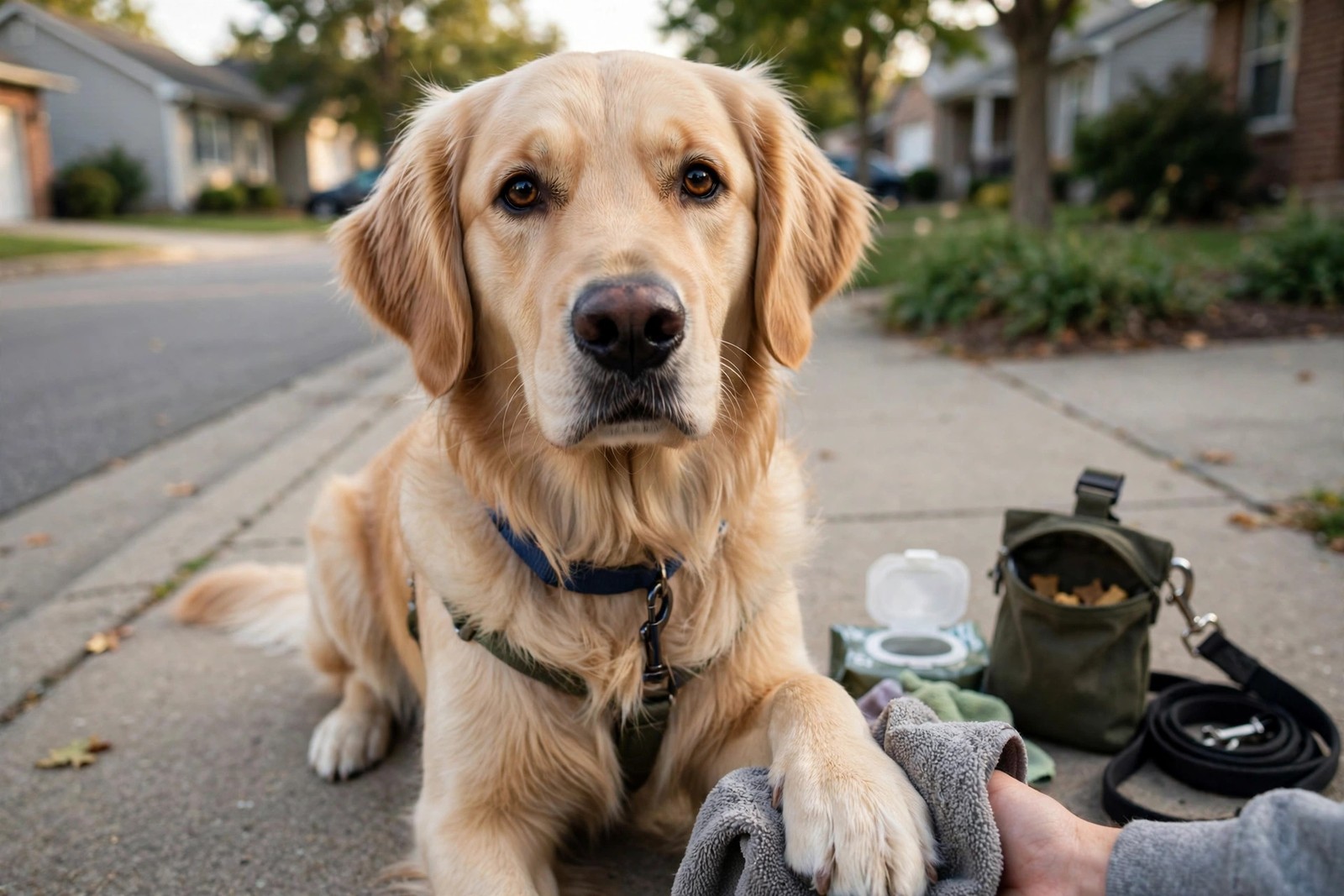
Yes — the Golden Retriever's reputation with children is one of the few breed clichés that holds up under scrutiny. Generations of selection for cooperative, soft-mouthed, people-loving temperament have produced a dog that does not merely tolerate family chaos but appears to enjoy it. For most households asking this question, a Golden is close to the safest large-breed answer available.
Why Children and Goldens Work
Start with patience. Goldens absorb the noise, sudden hugs, unsteady toddler hands, and general unpredictability of children with a resilience that more sensitive breeds cannot match, and they signal overload by moving away rather than escalating. Add a genuinely gentle mouth — the breed was developed to carry game birds without damaging them — and play stays soft even when it gets exciting. Then add sociability: Goldens typically welcome children's friends rather than guarding against them, join games instead of spectating, and offer children real trainability, so a child of eight or nine can teach tricks, practise recall, and feel the pride of a dog who listens. Few breeds give children that much successful interaction that early.
The Honest Cautions: Size and Bounce
The risks with Goldens are physics, not character. A mature Golden weighs 25 to 34 kilograms, and a young one greets life at a gallop — toddlers get knocked flat by joyful arrivals, wagging tails sweep faces at exactly their height, and an adolescent with the zoomies treats a small child as an obstacle it has not yet learned to brake for. Mouthiness is the puppy version of the same story: young Goldens explore and play with their mouths, and sleeves, fingers, and dangling scarves need consistent redirection to toys before the habit fades. None of this requires alarm; it requires the standard architecture — supervision with under-fives, a gate for the wildest hours, calm-greeting training from the first week, and a retreat space the dog can choose when play gets too much.
Matching the Dog to Your Children's Ages
For school-age children, the match is close to ideal, and giving them real jobs — measuring meals, grooming the glorious coat in short sessions, running training games — deepens a bond this breed is eager to form. For babies and toddlers, the pairing still works, with the adults accepting two or three years of managed introductions before the spontaneous friendship begins. One further practical point: Goldens shed, constantly and impressively, and they bring mud, water, and retrieved objects into the house as gifts. A household relaxed about hair on clothes and damp paw prints will be happier than a fastidious one — the dog will not change, so the house standard should be chosen accordingly.
Choose a puppy from calm, health-tested parents or an adult whose history with children is known, socialise steadily, and the breed's promise is usually kept in full.
KinsLe's Family Sharing keeps a Golden's household rules in one shared profile — feeding, exercise, and the four-paws greeting rule visible to parents, children, and visiting grandparents alike — so the whole family trains the same bouncy young dog the same way.