
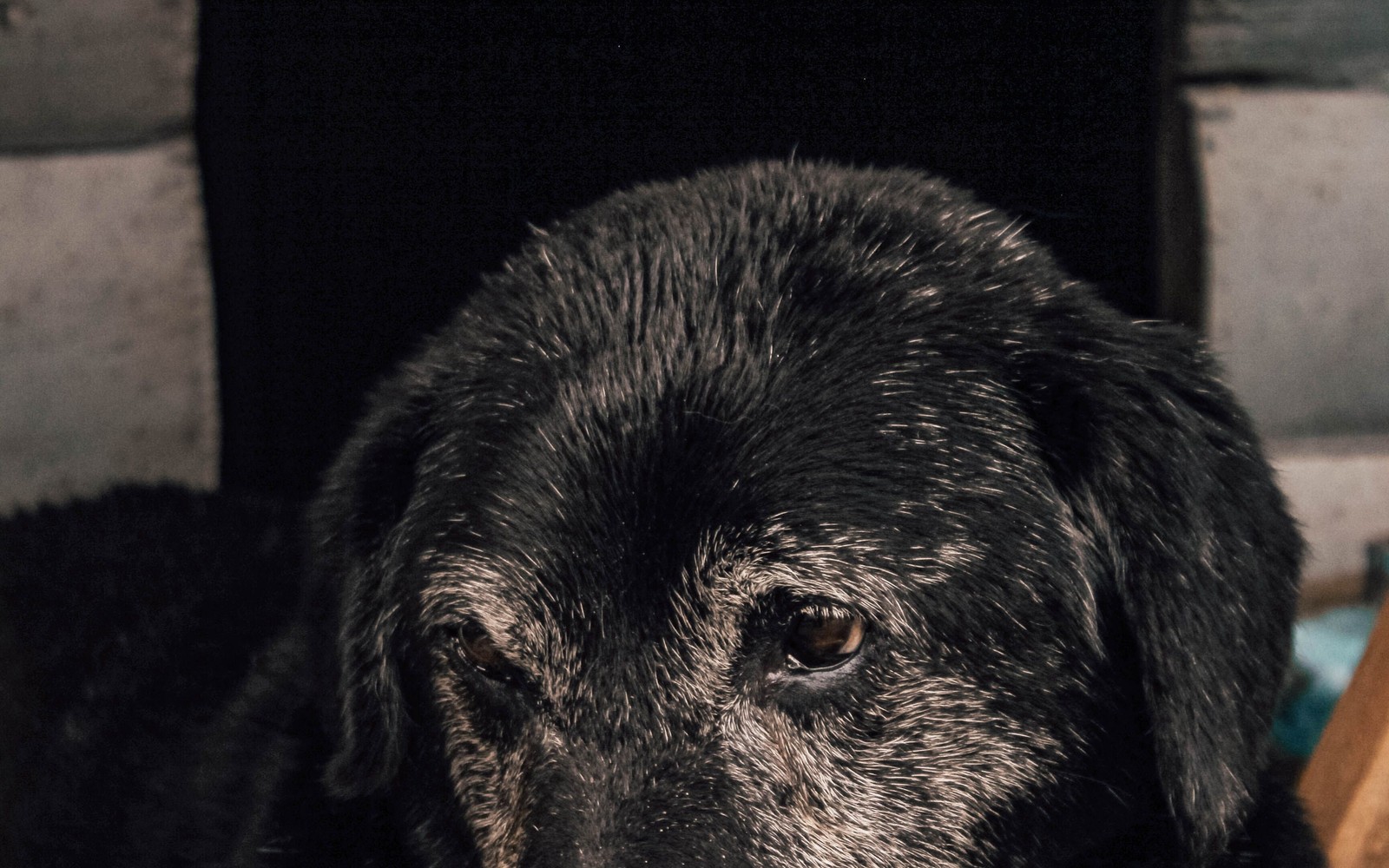
Absolutely — an older dog can learn a new routine, and many senior dogs take to structure beautifully. They simply learn best with shorter sessions, clear and consistent cues, and a little more repetition than a puppy would need. Keep the new routine predictable, reward generously, and change one thing at a time. The old saying about old dogs and new tricks says more about human impatience than canine ability.
How learning changes — and doesn't — with age
An older dog's brain still forms new associations; what changes is the processing around it. Arthritis may make sitting repeatedly uncomfortable, reduced hearing can blunt verbal cues, and vision changes can make hand signals harder to read at a distance. Senior dogs also tire faster mentally, so a focused five minutes teaches more than a frustrating twenty.
Adjust your teaching to the dog in front of you. Pair verbal cues with big, close hand signals for a dog whose hearing is fading. Swap "sit" repetitions for a comfortable stand or a chin rest if hips are stiff. Use smell-rich rewards — a dog's nose stays sharp long after ears and eyes fade, and a whiff of warm chicken concentrates the mind wonderfully. If learning suddenly seems much harder than it used to, or confusion appears at night, mention it at your next vet visit rather than assuming stubbornness.
Build the new routine one change at a time
Routines are chains: wake, toilet, breakfast, walk, rest, dinner, evening stroll, bed. Change one link, let it settle for several days, then change the next. Moving a senior dog's walk from 7 a.m. to 8 a.m. while also switching their food, walking route, and sleeping spot in the same week is a recipe for a stressed, unsettled dog — and an owner who can't tell which change caused the problem.
A workable pattern:
- Introduce the new element at a calm time of day, paired with something your dog loves
- Repeat it at the same time, in the same order, for at least a week
- Reward the behavior you want — going to the new rest spot, settling after the new evening routine — every time at first
- Keep the beloved anchors untouched: the favorite blanket, the usual greeting ritual, the park bench you always share
Predictability is not boring to an older dog; it's the scaffolding their confidence hangs on.
Realistic expectations and senior wins
Expect slower, not lesser, learning. A nine-year-old rescue Collie can absolutely learn a new home's feeding station, toilet spot, and bedtime pattern — she just may need a fortnight of quiet repetition where a puppy needed days. Celebrate the senior version of progress: choosing the new routine without being guided, relaxing into it, offering it with a wag.
Senior dogs also bring advantages: they read human body language with a decade of practice, they're rarely distracted by every passing novelty, and they genuinely want to please their favorite person. Work with that wisdom instead of mourning the puppy pace.
Consistency is a household job
A new routine fails when it depends on one person's memory. Everyone in the home needs to feed at the new time, use the same cue words, and follow the same order of events — especially for routines involving medication or specific walk lengths for stiff joints. That coordination is what KinsLe's Care Teams are built for: you can assign the feeding, walks, meds, and grooming duties that make up the routine, and completions are marked with timestamps, so the whole household can see what's actually been done. Update your dog's profile notes as the routine beds in, so the plan evolves with them. Looking for more ways to help an aging companion thrive? Care Teams on KinsLe let each helper claim one link of the chain — an earlier walk, a measured meal, medication at the agreed hour — with completion times visible to all.