
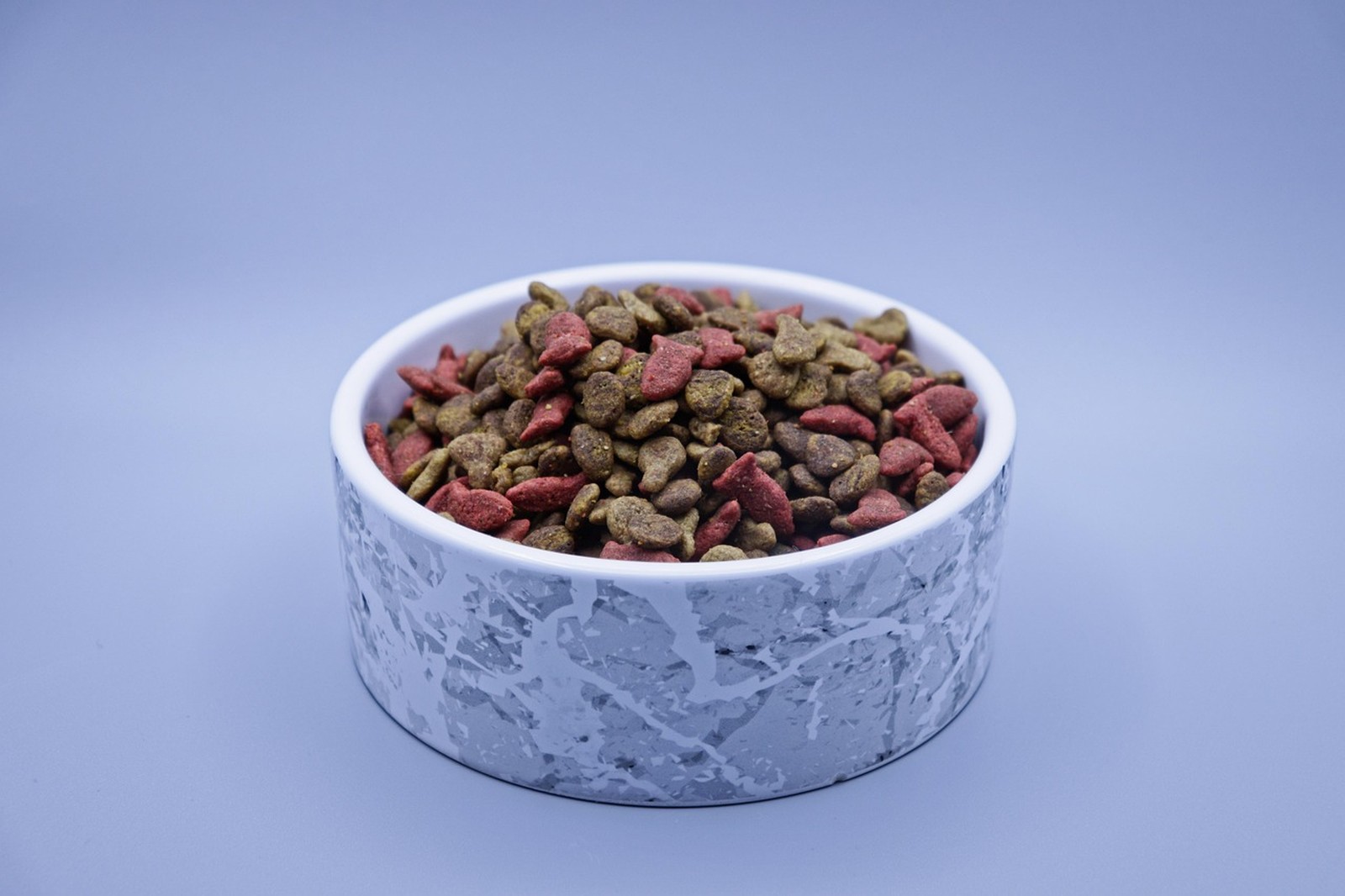
No — cats should not eat dog food or tuna every day as their main diet. An occasional stolen bite of dog food is not an emergency, and a little tuna as a rare treat is fine for most healthy cats, but neither provides the complete, balanced nutrition a cat needs when fed day after day.
Why Cats Need Cat Food Specifically
Cats are obligate carnivores with requirements that differ from dogs in important ways. They need taurine, an amino acid essential for heart and eye health, in their diet — dogs can make more of what they need, so dog food is not formulated with feline levels in mind. Cats also need preformed vitamin A and certain fatty acids from animal sources, and they require a higher proportion of protein than dogs typically get.
A cat fed mostly dog food over weeks or months can gradually develop deficiencies even while looking full and satisfied. The risk is slow and invisible at first, which is exactly why 'she seems fine' is not a reliable test. Kittens, pregnant cats, and seniors are even less able to compensate.
The Problem With Everyday Tuna
Tuna smells powerful to cats — which is part of the problem. Cats fed tuna daily often become fussy, refusing balanced food while holding out for fish. Nutritionally, plain tuna meant for people is incomplete for cats: it is not balanced for their calcium, vitamin, and taurine needs, and a fish-heavy diet can crowd out everything else.
There are other cautions too. Larger fish can carry more mercury, so tuna should stay an occasional treat rather than a staple. Tuna in oil adds extra fat and calories; tuna in brine adds salt. Some cats also react badly to a sudden rich serving with stomach upset. If you do offer it, keep it tiny, plain, in water, and infrequent — a teaspoon as a topper or training jackpot, not a bowlful.
What to Do About a Dog-Food Thief
In mixed-pet homes, stealing is the usual route in. A cat who raids the dog's bowl is rarely getting poisoned — she's getting extra, unbalanced calories and possibly an upset stomach. Feed pets separately, pick up uneaten dog food instead of leaving it down, and consider feeding the dog in a room the cat can't reach during meals. Slow-feeder bowls for a fast dog can also reduce the window for theft.
If your cat has eaten a large amount of dog food once, simply return to her normal food and watch for vomiting or diarrhoea. If she has been living on dog food or tuna for a long stretch, or shows signs like weight loss, dull coat, low energy, or vision changes, see your veterinarian rather than trying supplements on your own.
Building a Diet That Actually Covers the Bases
Choose a complete cat food suited to your cat's life stage — kitten, adult, or senior — and use extras sparingly. A good rule many owners use is to keep treats and toppers to a small fraction of the day's food so the balanced portion still dominates. Rotate proteins within cat-formulated foods if your cat enjoys variety, introducing changes gradually.
Finding Nutrition Help Near You
If you're unsure whether your cat's current mix is covering her needs, a veterinarian can review the actual labels and your cat's body condition in one visit. KinsLe's Pet Services Directory helps you find local vets, along with groomers, sitters, and trainers, so you can get a nutrition check tailored to your cat instead of guessing from the tin. The Pet Services Directory listings on KinsLe can lead a tuna-obsessed household to a veterinarian who reviews labels rather than guessing from the tin.