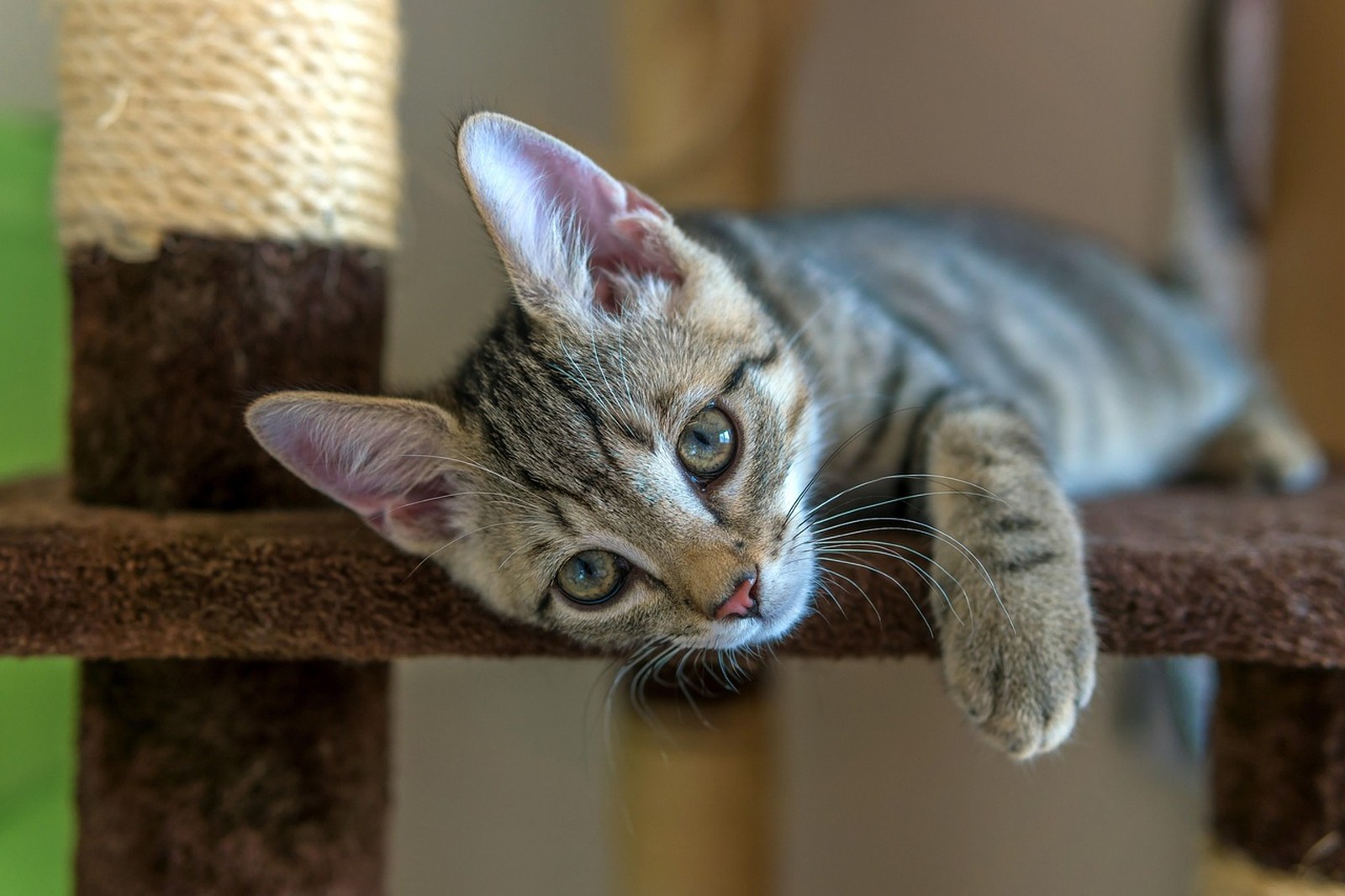
Whether sweet potato suits a cat depends entirely on what has been done to it before it is offered. Soft, plain and mashed, it can appear as a teaspoon-sized garnish; raw, buttered or sweetened, it should stay on the human side of the kitchen.
A garnish, judged against a carnivore's real diet
Start from what a cat is. An obligate carnivore draws its working nutrition from meat, and a complete meat-based cat food is formulated to supply all of it. Sweet potato enters that picture only as a minor extra, sometimes used because its gentle fibre can sit comfortably alongside the real diet in a small amount. It contributes starch and natural sweetness a cat cannot taste, so its ceiling is set by usefulness, and that ceiling is low: a garnish, never a component the meal depends on.
Cooking plain is what makes it digestible
Raw sweet potato is dense and hard, and a cat's digestion handles it poorly, which is why cooking is not a serving preference here but the condition that makes the food suitable at all:
- Cook sweet potato plain until it is soft right through, by baking, boiling or steaming
- Mash a teaspoon of it, or cut soft pieces small enough for a cat to manage easily
- Add nothing: no butter, sugar, marshmallow, syrup or seasoning of any kind
- Keep peel and any firm, undercooked centre out of the portion you serve
- Stir the garnish through the normal meal instead of offering a separate plate
Cooked sweet potato keeps for a short time in the fridge, and a small portion can be served cool or gently warmed, but it should be taken from the plain batch before the family's portion is buttered or sweetened at the table. Once the two versions sit side by side, mix-ups become likely, and the cat's teaspoon must always come from the unseasoned container. Peel left on a served piece is not the main issue; firmness is, because an undercooked centre stays hard no matter how it is cut, so test the whole piece for softness before mashing.
Keeping a minor extra minor
A teaspoon that appears at every meal has quietly stopped being a garnish, so keep appearances occasional and watch the litter tray after the first few servings, since loose stool means the extra does not suit your cat. Ongoing digestive upset, vomiting or a cat going off its proper food should go to a veterinarian rather than being managed by adjusting garnish amounts. In KinsLe, Care Teams helps a household hold that line, because the person responsible for the meal can record the finished duty in the rota, and everyone else can see the garnish was already given.