
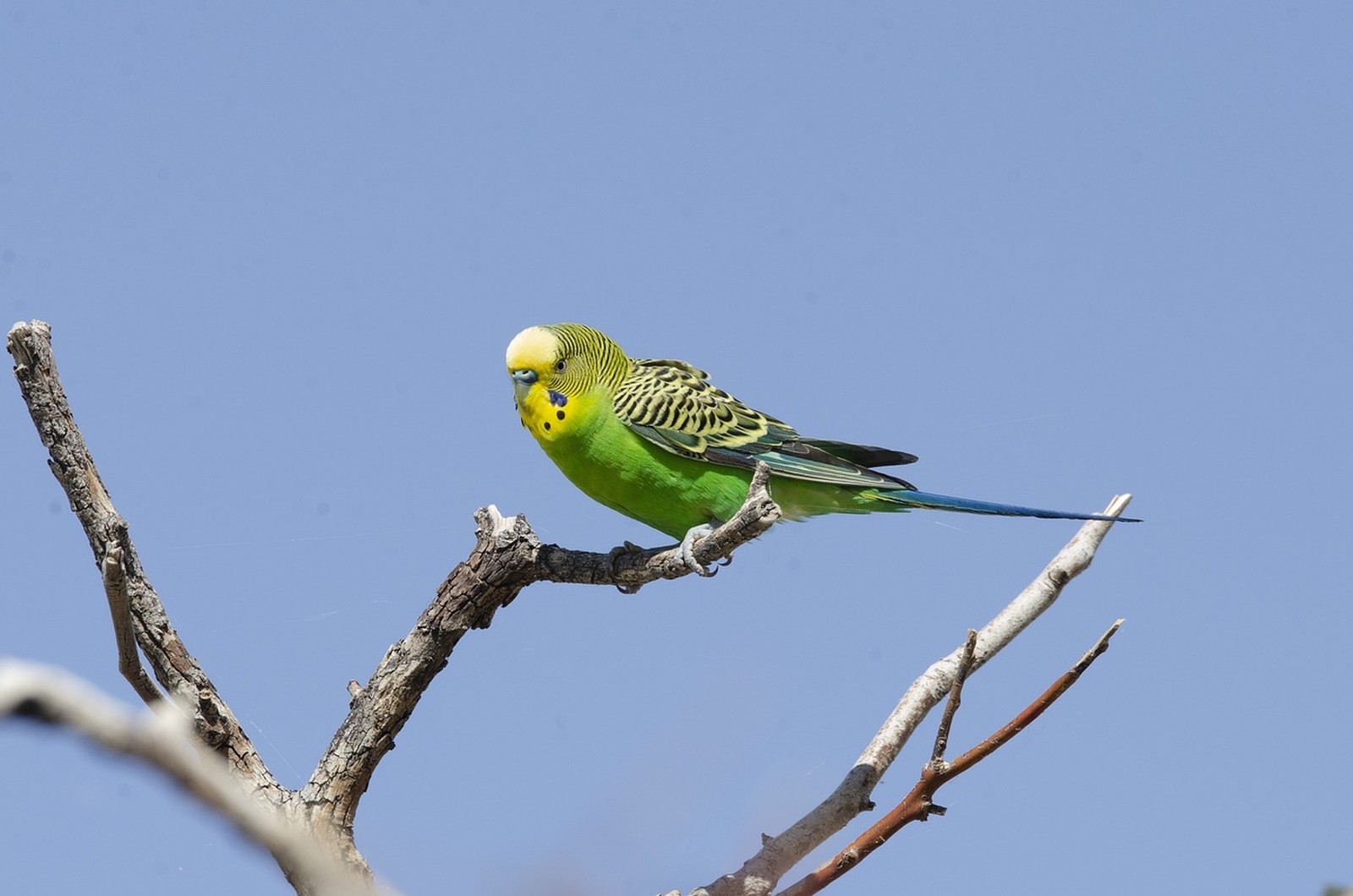
Yes, a budgie can learn to talk. Budgies are small parrots with a real gift for mimicry, and a bird that lives closely with people often starts copying the sounds it hears most, especially short, bright words said with feeling. The voice you get back is tiny, fast, and a little gravelly, so the first attempts can slip past unless you listen closely. A budgie practicing quietly into a perch, half mumbling a word it heard at breakfast, is usually a bird on the way to saying it out loud.
Why Males Often Lead, Without Any Guarantee
Males are often the readier talkers, and many owners find a young male the quickest pupil in the cage. Treat that as a tendency, never a promise. Plenty of males whistle happily for years without producing a single word, and some females learn a handful of phrases and deliver them with real clarity. Temperament, age, and how much lively conversation surrounds the bird all matter as much as sex. A single budgie may also focus more on your voice, while a bonded pair often prefers chatting to each other, which can slow word learning without reducing it to zero.
Choose One Word and Set the Moment
Start with one short word or tiny phrase, such as hello, pretty bird, or the budgie's own name said brightly. Words with crisp, lively sounds tend to catch a budgie's ear, and an upbeat rise at the end helps the bird separate your teaching voice from ordinary household noise. Pick calm, alert moments for lessons: after your bird has eaten, stretched, and settled on a favorite perch, often mid-morning or late afternoon. A sleepy, startled, or mid-bath bird is not refusing to learn; the timing is simply wrong.
Short Sessions, One Word at a Time
Keep each session to just a few minutes, a few times a day, and say the chosen word the same way every time: slowly, clearly, and with genuine enthusiasm. Say it several times, then pause and give your bird room to answer with a chirp, a mumble, or silent, focused attention. Resist adding a second word because the first week felt productive; one word at a time lets the bird lock onto a single pattern. Link the word to pleasant routines, such as uncovering the cage, coming home, or offering a favorite treat, so the sound gathers happy meaning. Recordings of speech can fill a quiet room, but they never replace these live sessions, because your bird is learning from your face, your timing, and your delighted reaction, none of which a speaker can return.
Reward Attention, Not Only a Clear Word
Reward any response that shows the bird is tuned in: a soft chatter right after you speak, a head tilt toward you, an excited bounce along the perch, or a gravelly approximation of the word. A tiny nibble of millet or warm, immediate praise tells the bird that joining in was the right move. If you wait for a perfect, polished word before celebrating, you may overlook weeks of real effort and teach the bird that trying earns nothing. End each session while things still feel cheerful, even if nothing new happened, so lessons stay something the bird looks forward to.
When a Word Stalls
Most plateaus respond to one small change rather than more drilling. Try a different time of day, shorten the session further, move closer to the cage, or return to a word your bird already half knows. A specific question about your exact situation, such as why a bird copies whistles but ignores words, tends to earn a more useful answer than a general plea for help. Trust the slow shape of this project, and let small, cheerful repetitions do their quiet work day after day. For the weeks when progress pauses, put a follow-up question about the stalled word to KinsLe's Kimmy; she answers using the KinsLe Answers library.