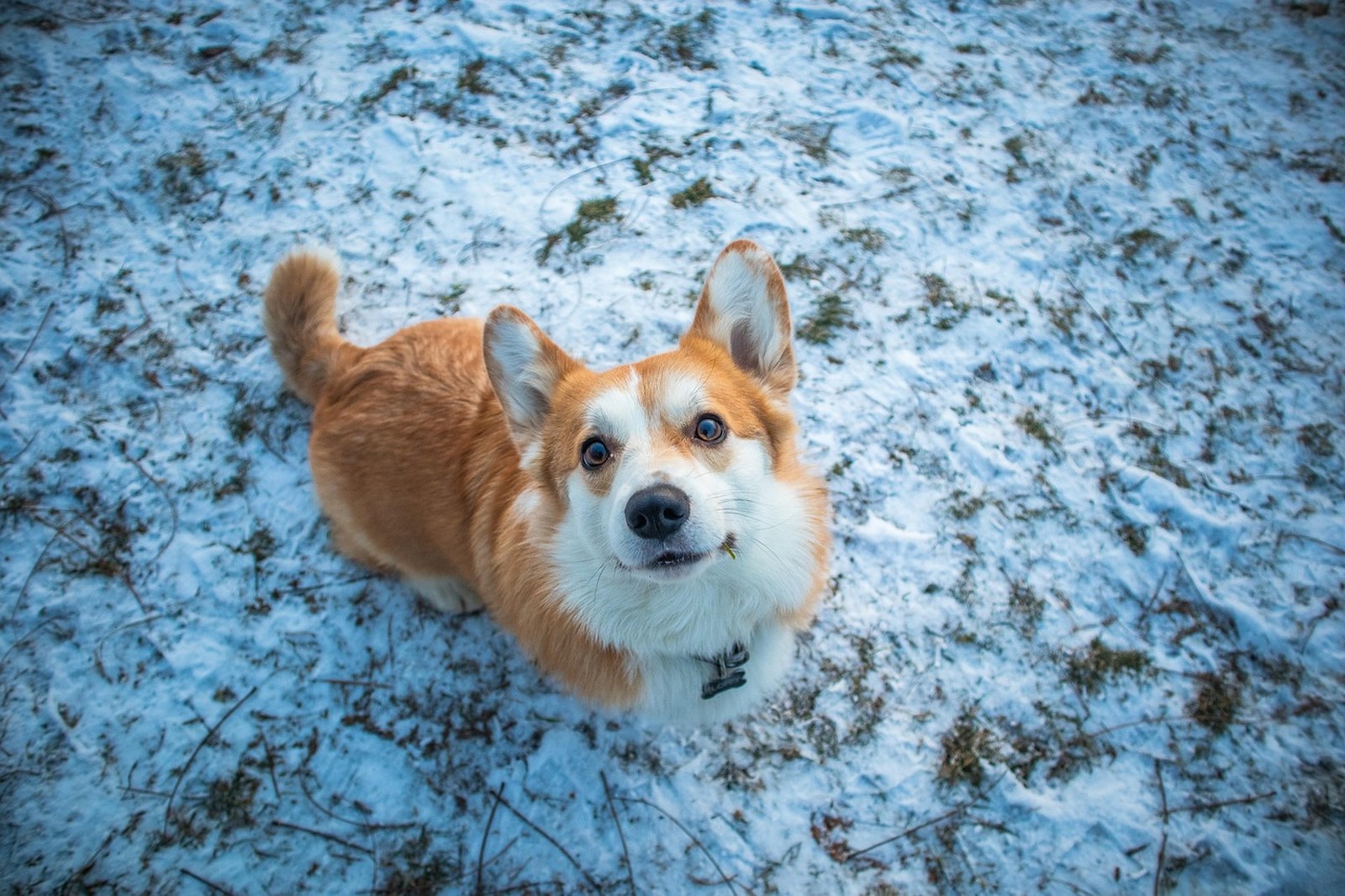
Yes — Corgis are genuinely vocal dogs, and owners who expect a quiet breed are usually caught out within the first week. Both the Pembroke and the Cardigan were built for farm work in Wales, herding cattle by darting at heels and barking to keep large animals moving and to raise the alarm when something approached the yard. That job selected for a dog who notices everything, reacts fast, and owns a bark far bigger than the body carrying it. A modern pet Corgi applies exactly the same rules to a hallway, a front window, and a delivery driver.
What a Corgi Is Usually Barking At
Most Corgi barking falls into three buckets. Alert barking is the breed's day job: a knock, a car door, a dog crossing the street, a leaf blower two gardens away. It comes in sharp bursts and normally stops once the threat passes or the dog is told the news has been received. Demand barking is learned: the dog barks, a person talks back, plays, feeds, or opens a door, and the barking has earned its reward. Boredom barking is the flat, repetitive kind that starts when an intelligent herding dog has had too little exercise and nothing to think about, and it is the type neighbours complain about because it can run for hours.
How Much of It Can You Change?
You can reduce Corgi barking a great deal, but you cannot train the breed into a silent one, and trying usually makes everyone miserable. Aim instead for announce-and-settle: the dog may report the doorbell, then stops on cue and is rewarded for stopping. Teach a quiet cue in calm moments first — let the dog bark twice at a mild trigger, say the cue once, present a treat the moment there is a pause, and build from there. Shouting over the barking just sounds like joining in, so keep your own voice low and boring.
Burning Off the Bark Before It Starts
A tired Corgi barks less, and mental work tires this breed faster than plain walking. Split the day into a morning walk with plenty of sniffing, a short training game, and something to work at, such as food scattered in grass or a meal fed from a puzzle toy. Block the classic barking stage too: a dog who spends the day on the back of a sofa watching the street will practise alert barking all day, so close the blinds during work hours or move the lookout perch away from the front window.
When Barking Points to a Problem
Barking that starts suddenly in an adult Corgi, happens mostly when the dog is left alone, or comes with pacing, drooling, or destructive behaviour near doors deserves a closer look, because separation distress and pain both lower a dog's tolerance. Filming the dog while you are out tells you more in one afternoon than a week of guessing. A veterinarian can rule out discomfort, and a qualified behaviourist can help if anxiety is driving the noise.
Consistency is what turns these steps into a quieter house, because a Corgi clocks instantly which person pays for barking and which one pays for quiet. KinsLe's Care Teams lets you assign the quiet-cue practice, the sniffy morning walk, and the evening puzzle feed to different family members as named duties, so every helper works the same plan and your Corgi gets one clear message instead of five different ones.