
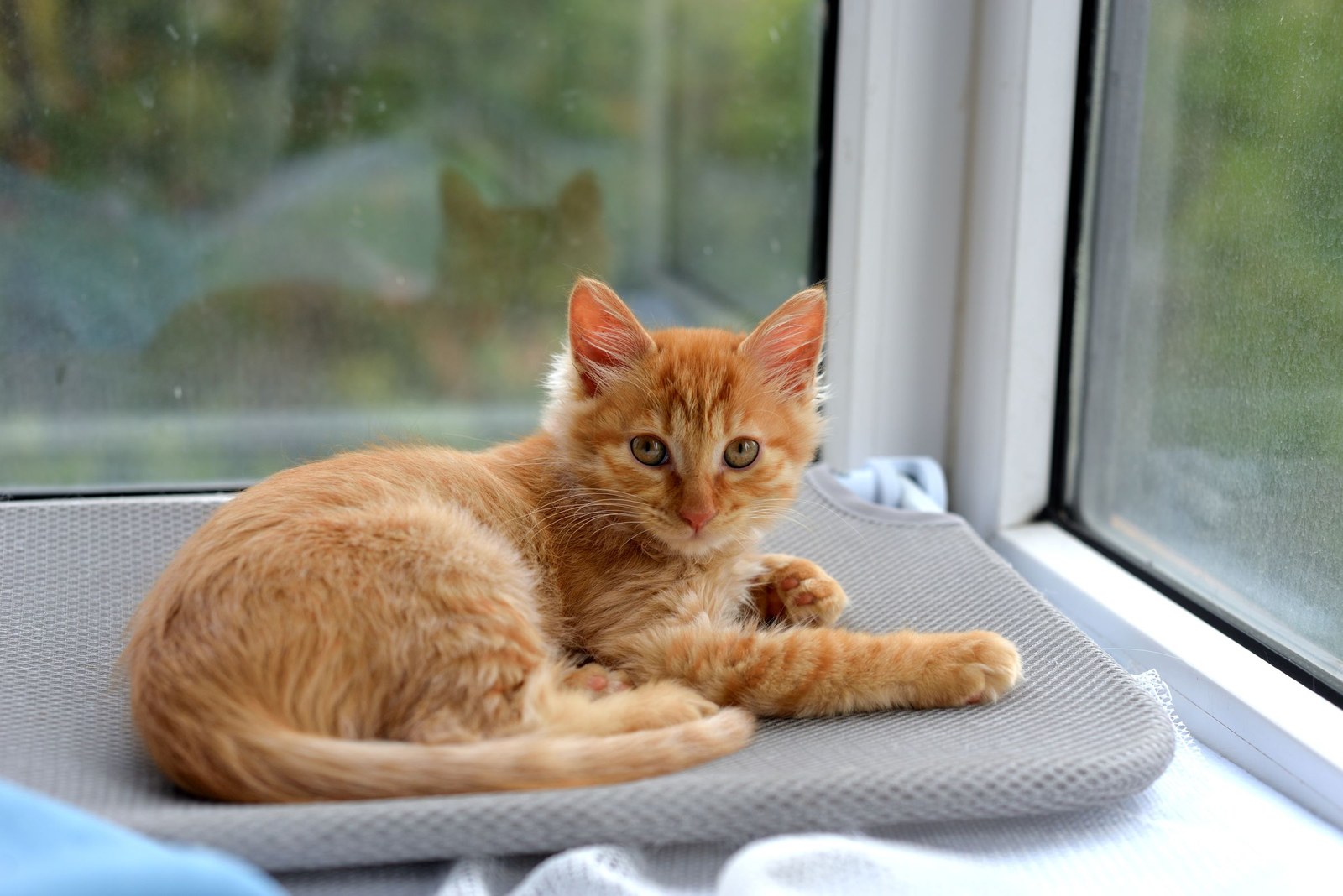
Indoor cats usually need slightly different feeding than outdoor cats — not necessarily a different bag of food, but typically smaller portions and more deliberate activity, because they move far less. An active outdoor cat may genuinely need more fuel. The biggest difference is energy in versus energy out, not the word 'indoor' printed on the packaging.
The Activity Gap Is the Real Difference
An outdoor cat patrols territory, climbs, hunts, and reacts to weather and other animals all day. Even a fairly lazy outdoor cat accumulates far more movement than an indoor cat whose territory is three rooms and whose hunting is scheduled by you. Fed identical portions, the indoor cat is simply more likely to gain weight — and weight gain in indoor cats is one of the most common patterns vets see.
Indoor-only living has real advantages: safety from traffic, fights, and many infectious diseases. The feeding task is to compensate for the lost movement without the cat feeling short-changed. That means measuring portions rather than free-feeding, using some of the day's food in puzzle feeders and scattered 'hunts,' and building play into the day — two wand-toy sessions do more for an indoor cat's waistline than any 'indoor formula' on a shelf.
So-called indoor formulas typically just trim calories and add fibre for fullness and hairball management. They can be a useful tool, but they are not mandatory, and they don't excuse unmeasured feeding.
What Outdoor and Indoor-Outdoor Cats Need
Cats with outdoor access may need more calories, particularly in cold weather and particularly if they're genuinely active rather than sleeping in a neighbour's shed. But don't assume — some outdoor cats are being fed by kind neighbours as well, a classic mystery behind weight gain in a cat you feed correctly. A cat who comes home not very hungry, smelling faintly of someone else's kitchen, may have a second household.
Outdoor cats also face higher exposure to parasites and can pick up food and water of unknown quality outside. Regular preventive care and vet check-ups matter, fresh water at home should always be available, and any appetite or weight change in an outdoor cat deserves prompt attention because the variables are harder to track.
Whether yours is indoor, outdoor, or both, body condition is the referee: ribs feelable under a thin fat layer, a visible waist, steady weight. Adjust portions to the cat in front of you, not to the label category.
Feeding Two Different Lifestyles Under One Roof
Many homes have one of each, and that's where mix-ups happen. The sleek indoor cat discovers the outdoor cat's larger portion; the outdoor cat, home early, finishes the indoor cat's measured bowl. Feed separately, in set meals rather than shared free-feeding, and pick bowls up afterwards. It also lets you notice appetite changes in each cat individually — an early health signal that's lost when everyone eats from a common bowl.
Consider each cat's notes as genuinely individual: the indoor cat might be on a weight-watch plan with puzzle feeders, while the outdoor cat needs a slightly larger evening meal in winter. Written notes stop these differences living only in one person's memory, where they get garbled on busy days.
Each Cat's Own Profile Keeps Feeding Notes Straight
This is where a per-pet record helps. With KinsLe, each cat has its own profile with a unique QR ID, able to hold that cat's own feeding notes — portion, schedule, who eats where — so different cats in one home don't get mixed up by feeders, family members, or sitters. The indoor cat's measured plan and the outdoor cat's heartier one stay distinct and visible. For a two-lifestyle household, KinsLe keeps each cat distinct at mealtime because scanning a collar code opens the Verified QR ID Pet Profiles entry matching that animal and shows its own portion plan.