
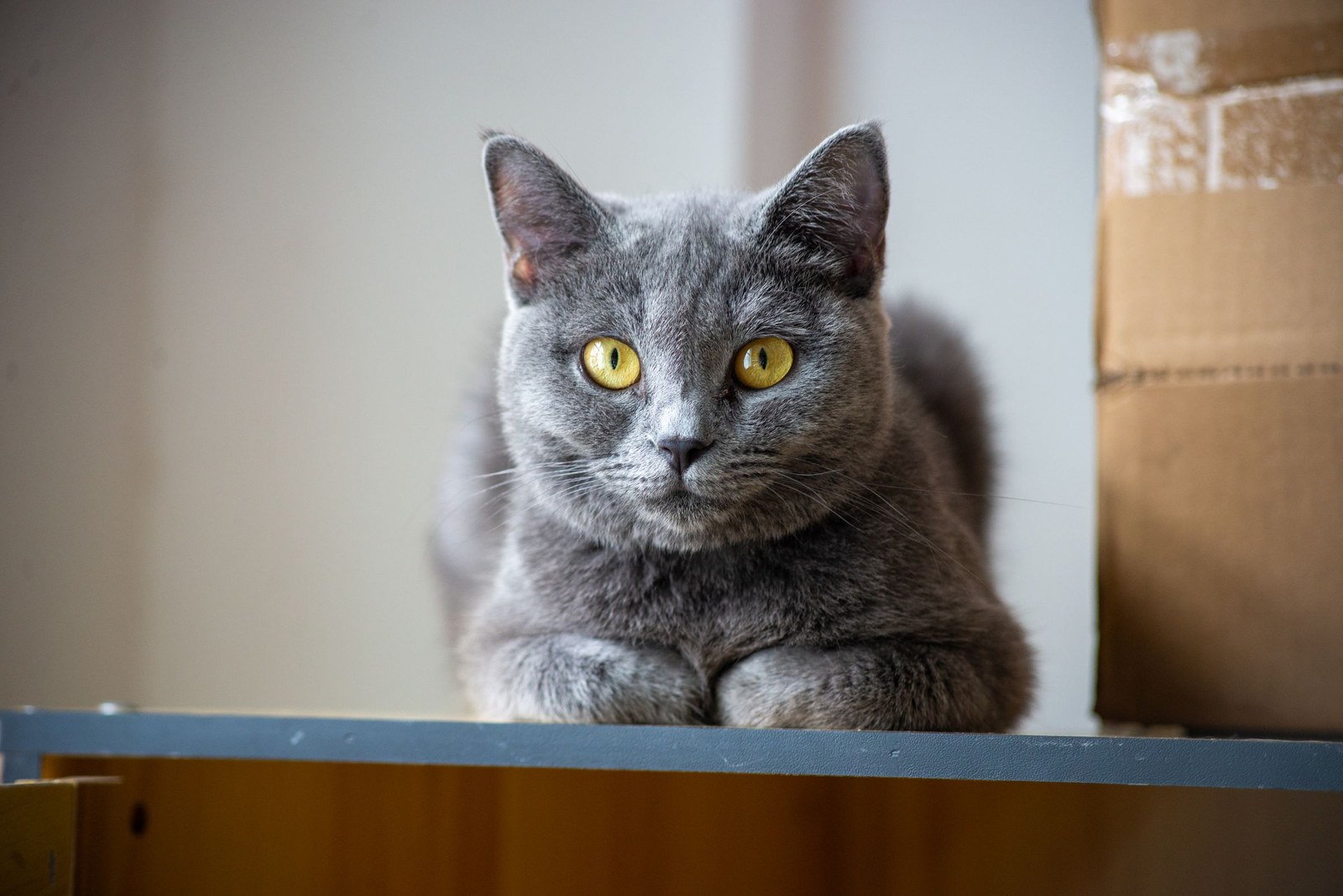
Most of the time, kneading does mean your cat is happy — especially when the whole cat looks loose and relaxed while she does it. But kneading is also a self-soothing tool, and cats sometimes reach for it when they're a little anxious, the way a person might fidget. The kneading itself isn't the whole answer; the body language and behavior around it tell you which version you're seeing.
The Contented Kneader
A happy kneading session has a recognizable cast: half-closed eyes, ears in a neutral position, a relaxed tail, and often a rumbling purr. She chose the spot — your lap, her blanket, the sunny cushion — and she settles in on her own schedule, frequently as a prelude to a nap. Her overall life looks normal around it: eating well, using the box, playing, greeting you as usual. This is the classic picture, and for most cats, most of the time, it's the correct read.
Kneading as Self-Soothing
Cats also knead to calm themselves. A cat who kneads intensely and obsessively, suckles fabric until it's soaked, or has suddenly started kneading far more than usual may be managing stress — a household change, a new pet, visitors, a disrupted routine. The behavior isn't bad in itself; it's a coping mechanism doing its job. What matters is the trend and the company it keeps:
- Hiding more, or appetite dropping off
- Litter box changes happening alongside the kneading
- Over-grooming, bald patches, or new irritability
- Kneading paired with restlessness rather than drowsiness
Kittens weaned too early are sometimes lifelong intense kneaders, which is simply their baseline — a change from your own cat's normal matters more than any universal standard.
When to Bring Your Vet Into It
A noticeable behavior change in an adult cat always deserves a mention at the vet, and kneading shifts count. Pain and illness often surface as subtle behavior changes first — a cat who feels unwell may seek more comfort, withdraw, or cling. If increased kneading comes with appetite, weight, litter, or energy changes, book a visit rather than waiting it out. Your vet will want the whole picture: when it started, what changed at home, and how her health history looks. That's a conversation that goes better with records in hand.
Supporting a Slightly Anxious Kneader
If stress is the likely driver, steady the world around her: predictable feeding and play times, a quiet retreat she can always reach, play sessions that burn off tension, and no punishment for the kneading itself — she can keep her comfort ritual while you address the cause. Give changes a couple of weeks; gradual improvement is the realistic goal.
Walk Into the Vet Visit Ready With Pet Passport
When a behavior change does lead to the vet, KinsLe's Pet Passport keeps your cat's records packet — vaccines, medications, allergies, and key documents — organized and ready to share with the clinic. Instead of digging through emails and paper files, you hand over the complete picture, which helps your vet judge whether a new habit like changed kneading fits a health pattern. Pet Passport on KinsLe pulls her vaccination dates, medication list, and allergy notes into a single packet you can hand over when changed kneading prompts a clinic visit.