
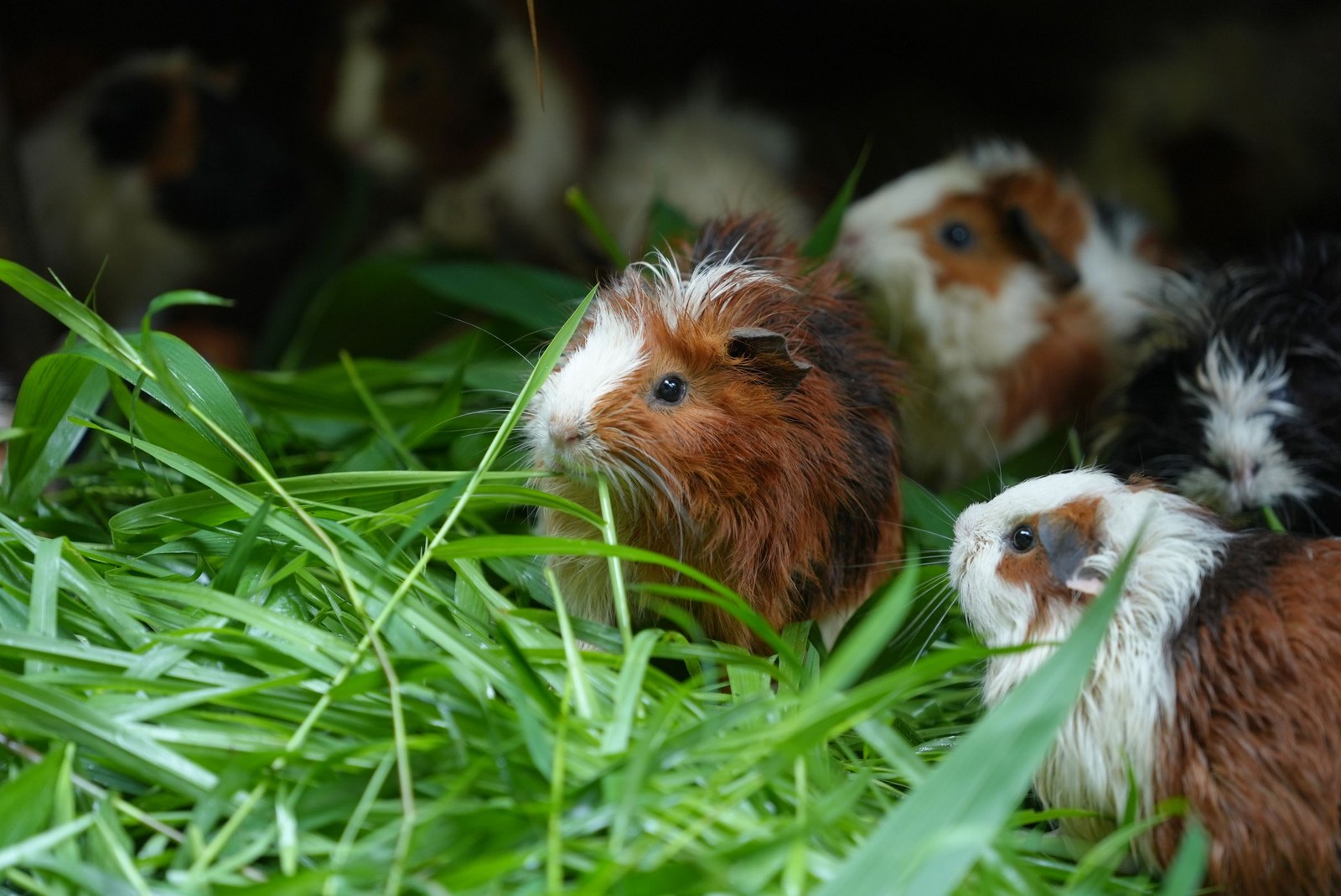
Yes, guinea pigs need hay too — unlimited grass hay is just as essential for a guinea pig as it is for a rabbit. Hay is the backbone of a guinea pig's diet, supporting digestion and wearing down teeth that grow for the whole of the pig's life.
Why hay matters so much for guinea pigs
Guinea pigs are grazing herbivores with digestive systems designed for a near-constant intake of long-strand fiber. That fiber keeps the gut moving, supports a healthy balance of gut bacteria, and produces the soft droppings guinea pigs re-eat to absorb extra nutrients. Their teeth also grow continuously, and chewing hay provides the grinding action that keeps those teeth at a functional length. A guinea pig fed mostly pellets and vegetables, with hay as an afterthought, is missing the single most important part of its diet.
Picking the right hay for your pig's life stage
Timothy hay is the standard staple for adult guinea pigs, and orchard grass or meadow hay make good alternatives or mix-ins for variety. Alfalfa hay is richer in calcium and calories, which suits young, growing, pregnant, or nursing pigs, but that richness is usually too much for a healthy adult. Your veterinarian can advise if your pig's stage of life calls for the richer option. Whatever you choose, the hay should smell sweet and fresh, be free of dust and mold, and be stored somewhere cool and dry.
Because guinea pigs cannot make their own vitamin C, owners sometimes assume hay covers that need too. It does not — hay provides fiber, not meaningful vitamin C, so fresh vegetables and appropriate pellets still matter alongside it.
Serving hay so pigs actually eat plenty
Stuff hay into racks, hay bags, cardboard tubes, and loose piles in the cage corners so your pigs encounter it everywhere they wander. Guinea pigs love burrowing into a fresh pile, and that play doubles as eating. Remove soiled hay daily, since pigs will toilet where they graze, and add a generous fresh handful morning and evening even if some remains. A pair of pigs can work through a surprising amount, so keep a spare bag on hand — running out entirely for a day is a genuine problem, not a minor gap.
Signs the hay situation needs attention
If your guinea pig is eating less hay, dropping weight, producing small or scant droppings, or showing misaligned or overgrown front teeth, book a veterinary visit. Dental disease and gut slowdown are common in guinea pigs and are far easier to address early. Also check the hay itself: a dusty, musty, or brown batch can put pigs off eating, and switching to a fresher bale often restores enthusiasm quickly.
A gentle nudge so the rack never sits empty
Hay refills are easy to forget on a hectic day, and guinea pigs feel the gap quickly. KinsLe's built-in AI assistant, Kimmy, can send gentle hay-refill reminders so the top-up happens on schedule even when work, school runs, and everything else pile up. Pair those nudges with a regular twice-daily routine and your pigs get the constant fiber their bodies expect. Kimmy in KinsLe can answer follow-up questions on hay choices — timothy versus orchard grass, alfalfa for youngsters — because its replies draw on the Answers library entries written for guinea pig feeding.