
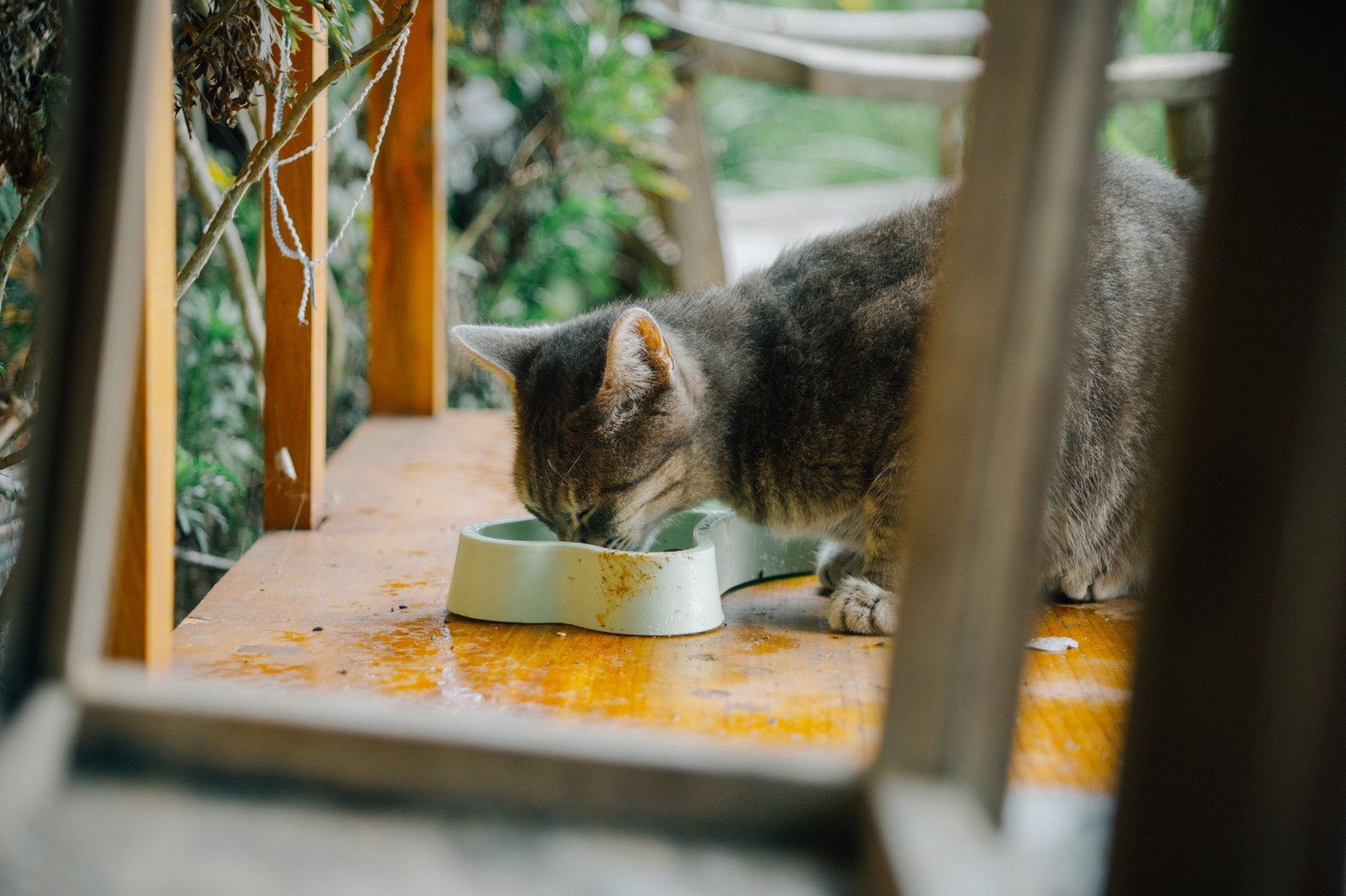
Many senior cats do benefit from a different approach to food than a younger adult, but there is no single senior diet that fits every cat. A healthy, active 11-year-old with good muscle and a stable weight may thrive on the adult food she already loves, while a 15-year-old who is losing muscle, drinking more, or sleeping through meals often needs a more digestible, protein-rich plan matched to her individual health. Age alone is a poor guide — condition, appetite, and what your vet finds at a senior checkup matter far more.
What actually changes as cats get older
After about age 11, many cats digest protein and fat a little less efficiently. That means the quality of protein becomes more important, not less. Older cats still need plenty of high-quality animal protein to protect muscle along the spine and hind legs — that firmness you feel when you stroke her back. Digestion can also become more sensitive, so highly digestible formulas in smaller, frequent meals are often easier on an older stomach. Appetite can fade as smell dulls, so warming wet food slightly can help.
Weight can swing either way. Some seniors gain because they move less. Others lose weight quietly, and in an older cat unexplained loss should never be dismissed as “just getting old.”
How to decide if your cat needs a change
Start with what you can observe at home over two to four weeks:
- Weight trend — weigh monthly on the same scale, ideally at the same time of day
- Muscle check — can you feel ribs easily with light pressure, and is the back still well covered?
- Appetite and water intake — finishing meals, asking for more, or drinking noticeably more?
- Coat, stools, and energy — dull coat, looser stools, or less interest in play?
Bring those notes to your vet. A senior visit includes weight, muscle scoring, dental checks, and often bloodwork — results that shape diet far better than the word “senior” on a bag. Only your vet can sort out individual health needs; this article cannot diagnose or prescribe a therapeutic diet.
If a change is recommended, transition gradually over seven to ten days, mixing increasing amounts of the new food into the old. A sudden swap is a common reason seniors refuse food or develop stomach upset.
Feeding tips that help most seniors
Feed measured meals rather than topping up a bowl all day, so you notice quickly if intake drops — in a senior, a missed day of eating is a signal worth calling the vet about promptly. Keep food and water in quiet, easily reached spots; a cat with stiff joints should not have to jump or compete with a younger cat to eat. For multi-cat homes, separate feeding stations prevent a confident younger cat from quietly stealing the senior's portion.
Keeping the plan where everyone can find it
Once you and your vet land on a plan, write it down in one place instead of relying on memory or a note on the fridge. KinsLe's Pet Passport is the records packet for your cat — vaccines, medications, allergies, and documents — and it is a practical place to store the diet plan you agreed on so it can be shared with vets and sitters. That way a family member or pet sitter feeds the same food, in the same amount, even when you are not home. Pet Passport on KinsLe holds that agreed feeding plan alongside her vaccine and medication history for whoever feeds her next.