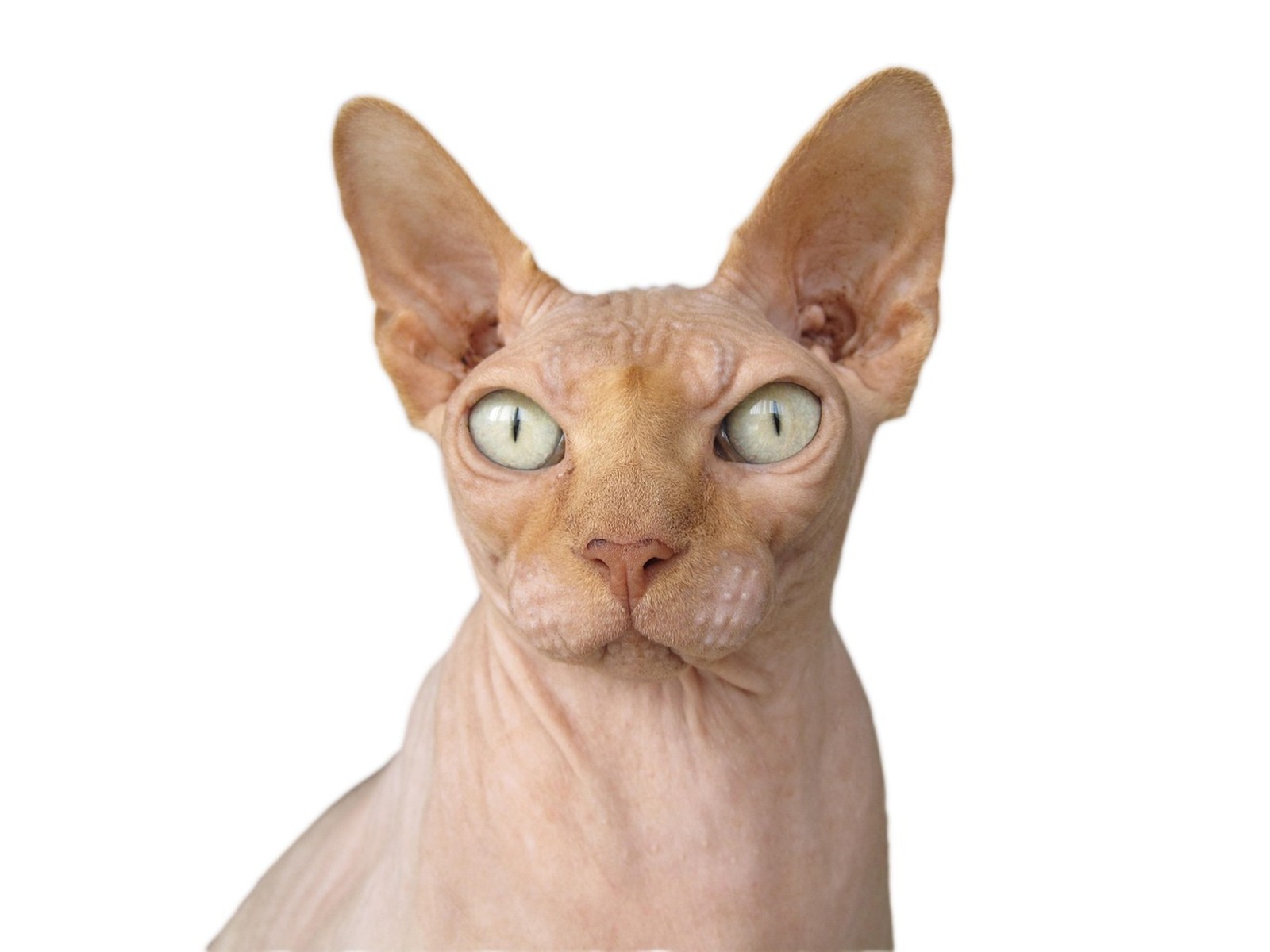
A Sphynx needs ear and fold cleaning in a way a furred cat never does. With no coat to absorb it, skin oil builds up on the surface, collects in folds, and mixes with the dark wax these cats produce in noticeable amounts. A calm weekly session, done in the same order each time, keeps that buildup from turning into irritation.
Why Sphynx Ears and Folds Get Dirty So Fast
Sphynx skin produces sebum just like a furred cat's, but there is no fur to draw it away, so it settles on the skin, transfers onto bedding and furniture, and gathers wherever skin touches skin. The ears are often the dirtiest spot of all: many Sphynx cats produce heavy, dark brown wax that coats the outer ear within days. Folds at the neck, armpits, groin, belly and between the toes trap oil, litter dust and moisture together, which is why those areas can look grubby and feel slightly tacky between cleans.
Cleaning the Ears, Step by Step
Choose a warm room and a settled moment, ideally when your cat is already sleepy, and wrap her loosely in a towel if she wriggles. Dampen a cotton pad or a piece of gauze with a cat ear cleaner. Wipe the outer ear only — the folds and ridges you can clearly see — using a fresh part of the pad as it picks up wax. Work gently in small circles and let the cleaner soften stubborn deposits rather than scraping at them. Never push cotton buds, tweezers or anything else deep into the ear canal: you cannot see where you are going, and you can pack wax down or damage the canal. Swap to a clean pad for the second ear so you are not transferring debris across.
Wiping the Skin Folds
Use a soft cloth dampened with warm water, or a plain unscented pet wipe if your cat tolerates it. Lift each fold with one hand and wipe inside it with the other, following the same route every week so nowhere is missed: under the chin and around the neck, inside the front-leg armpits, along the belly and groin folds, and between the toes, where oil and litter dust collect around the nail beds. The drying step matters as much as the washing — pat every fold dry afterwards, because moisture left sitting in a warm fold is what encourages soreness and yeast-like irritation.
Fitting It Around the Weekly Bath
Most Sphynx cats also need a bath roughly weekly, because wiping alone cannot keep up with full-body oil. Doing ears and folds immediately before bath time works well: the cleaner loosens wax, the bath washes away the oil you have freed from the folds, and your cat endures one handling session instead of two. Use lukewarm water and a gentle cat shampoo, rinse thoroughly, and dry her warm and completely — this breed chills quickly with no coat. If your cat strongly resists bathing, ask your vet how often her individual skin actually needs it, since over-bathing can dry Sphynx skin out.
When to Stop and See a Vet
Weekly cleaning should reveal slow, steady wax and oil — not sudden change. Book a vet visit if one ear produces far more discharge than the other, if there is a sour smell, redness, head shaking, scratching at the ear, or dark specks that return within a day or two, which can point to ear mites or infection. Do the same for a fold that becomes red, moist, smelly or sore despite gentle cleaning, rather than scrubbing harder at home. Keeping a dated note of what you find each week helps your vet judge whether the pattern is changing, and recording each finished clean in KinsLe's Care Teams means everyone in the household can see the ears and folds were done, when, and by whom.