
What the Trial Is Designed to Prove
An elimination diet is a diagnostic test run through the food bowl. If your dog's itching, ear trouble, or digestive signs could be food-related, the test asks a clean question: do the symptoms fade when every suspect ingredient is removed, and do they return when a specific ingredient comes back? Both halves matter. Improvement on the trial diet alone is suggestive, but the controlled reintroduction — the challenge — is what turns a suspicion into a usable answer, which is why your vet structures the timing instead of leaving it to hopeful guesswork at home.
Choosing the Trial Food With Your Vet
The trial diet is picked for your dog's history, not from a shelf at random. Your vet will usually choose either a single protein and carbohydrate your dog has never eaten — genuinely never, including in treats — or a specially formulated diet in which proteins are broken down so the immune system does not recognise them. What you cannot do is run the test on a standard food whose label merely looks different: hidden ingredients shared with the old diet invalidate the whole exercise. Tell your vet everything your dog has ever eaten, including childhood foods and regular treats, so "novel" really means novel.
The Strict Part: Nothing Else Passes His Lips
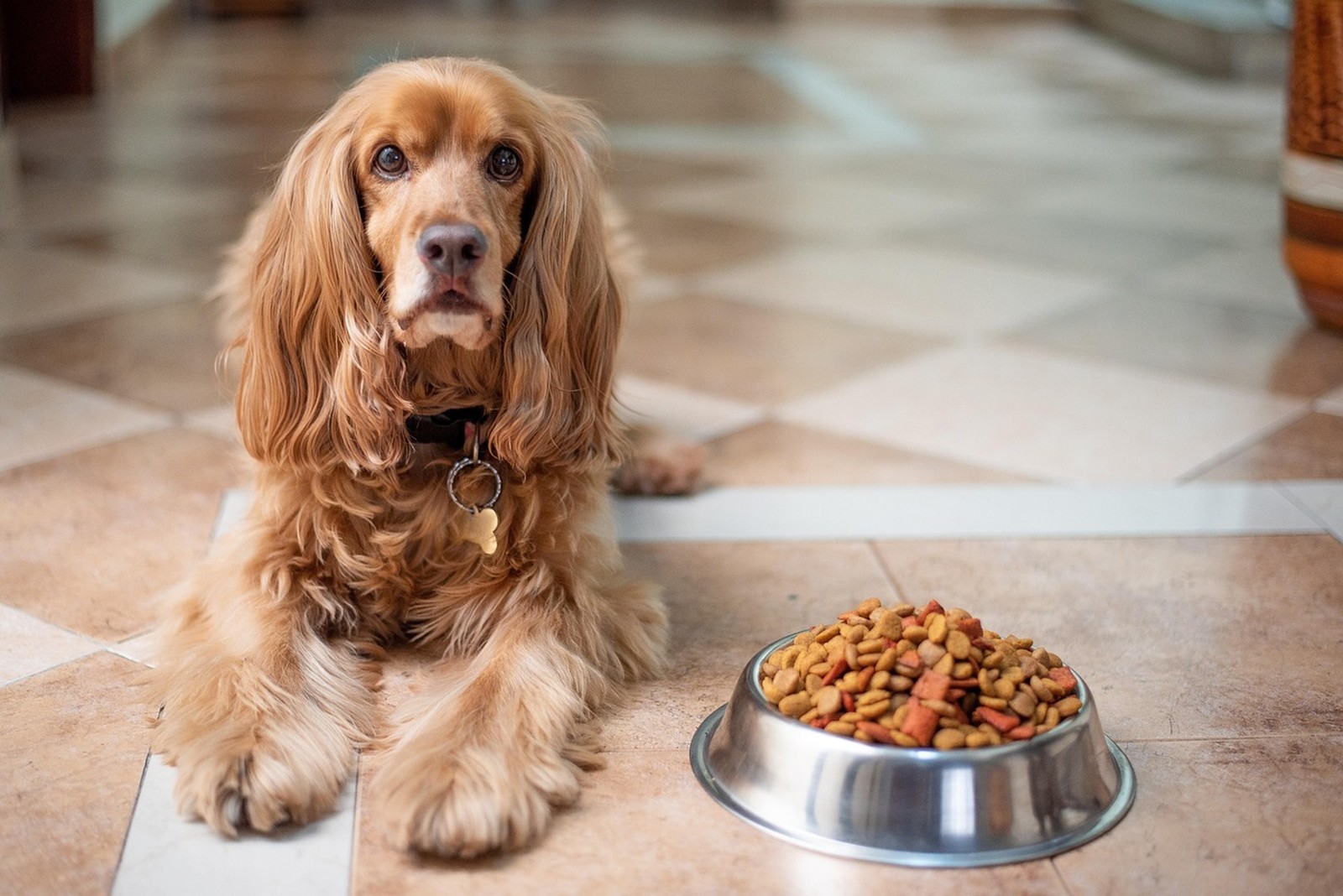
For the period your vet sets — often many weeks, because skin and ears improve slowly — the trial food is the entire menu. No treats, no dental chews, no table scraps, no flavoured medications or supplements unless your vet clears them, and no scavenging: a dog who raids the cat's bowl or finds dropped food on walks is not on an elimination diet, whatever the bag in the cupboard says. Use pieces of the trial food itself as training rewards, brief every family member and visitor, and manage walks and garden time with the trial in mind. One weekend of extras can cost you the whole test.
Logging Symptoms So the Result Is Readable
Memory blurs over a long trial, so keep a simple dated record: what he ate, stool quality, itching level, ear state, and anything unusual such as a stolen snack, recorded honestly rather than quietly forgotten. Photograph skin or coat trouble at the start and at intervals if your vet finds that useful. Note improvements even when they are partial — ears that flare half as often is evidence, not failure. Bring the log to each review; it lets your vet judge the trend of weeks at a glance instead of relying on how the last three days happened to go.
Reintroduction and What Happens After
If symptoms have clearly settled, your vet will guide the challenge: one ingredient at a time, in a set order, watching for the signs to return over the following days before testing the next. An ingredient that triggers a flare goes on the permanent avoid list; those that pass can return to his menu. If nothing improved on the strict trial, that is also an answer — the problem probably is not food — and your vet redirects the investigation instead of extending the diet forever. Keeping the trial log, trigger list, and safe foods together in KinsLe's Pet Passport means the results of all that strict work stay attached to his health records for every future vet and carer.