
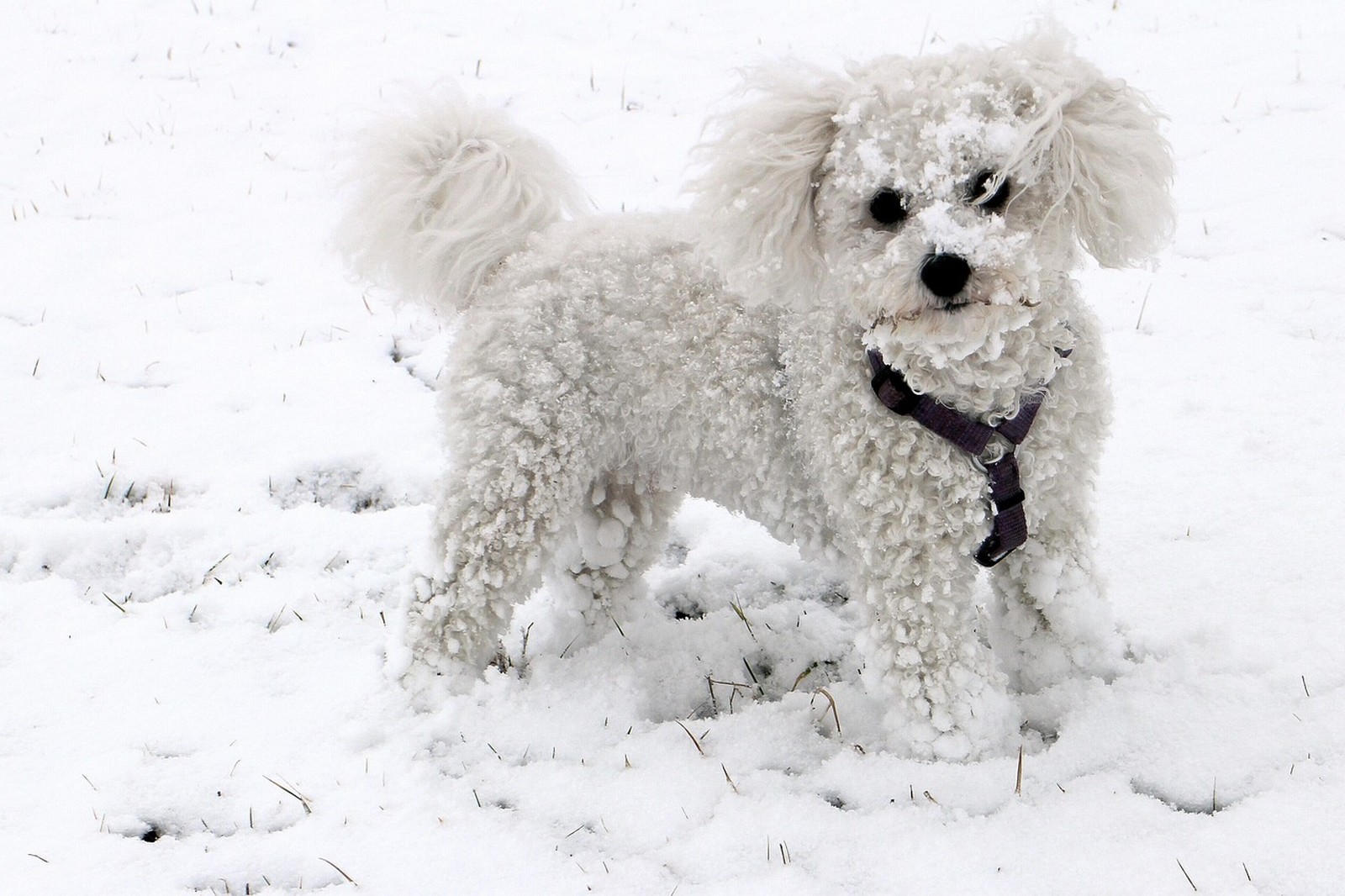
Judge a Bichon source on grooming honesty
Begin with the Bichon Frise breed club's referral list and with rescues that know small companion breeds, and listen carefully to how each source describes the coat. That powder-puff look is work: the curly double coat traps loose hair, tangles behind the ears and under the legs, and mats painfully if brushing slips. A responsible breeder says this in the first conversation and shows you their own adults freshly groomed and comfortably kept, not just puppies photographed after a bath.
Ask what health screening the parents have had, particularly for knees and eyes, whether puppies are raised inside the home, and how they are introduced to handling, grooming, and household sounds. Bichons live closely with their people, so early weeks spent as part of a household matter more for this breed than a spotless kennel photograph.
The allergy conversation, handled properly
Many people seek a Bichon because of allergies, and this is where a good source earns trust. A careful breeder will describe the coat as low-shedding, then still invite anyone with allergies to visit, handle the adult dogs, sit in the room where they live, and go home to see how they feel afterwards. A seller who guarantees no reaction at all is promising something no dog can honestly guarantee.
Meeting adults also shows you the real Bichon temperament: cheerful, sociable, and deeply attached. That attachment has a practical side. Bichons can struggle when left alone for long stretches, so a breeder or rescue that asks who is home during the day, and how a puppy will be gradually taught to settle, is matching the breed to your life rather than simply making a sale.
Finding a Bichon through rescue
Bichons and Bichon mixes arrive in rescue when grooming costs surprise owners, when an older owner's circumstances change, or when a dog's need for company clashes with a household's hours. Small-dog and breed rescues often place them in foster homes, which means someone can tell you whether this dog is already used to grooming appointments, how they behave with visiting grandchildren, and whether they follow their foster carer from room to room.
Ask for the dog's veterinary records, an honest account of tear staining and skin or ear issues noted in care, and what coat length the dog is currently kept in. Verify breed labels gently, too, since many white fluffy mixes are guessed at in shelters, and what matters most is the individual dog in front of you.
Red flags in a Bichon search
Walk away from a seller who will not let you see where puppies are raised, who has several unrelated small breeds always available, or who describes the Bichon as a dog that needs almost no upkeep. Be cautious, too, of anyone breeding for extreme tininess or selling on appearance alone, because sound knees, comfortable eyes, and a stable, friendly temperament are what you will live with for years.
A waiting list, by contrast, is normal for a home breeder raising one litter at a time, and questions about your grooming plans, work pattern, and experience with clingy little dogs are a sign of care, not gatekeeping.
Keep the coat and care notes with the dog
When you bring your Bichon home, collect the grooming routine that has kept their coat comfortable, the food and schedule they are used to, their vet records, and, from a rescue, the foster notes on how they cope with being left and being brushed. Those specifics prevent the matting and muddle that so often follow a change of home. On KinsLe, Transferrable Profiles keep that grooming history, health paperwork, and early routine moving with your Bichon, so whoever grooms, sits, or treats them next works from the same notes.