
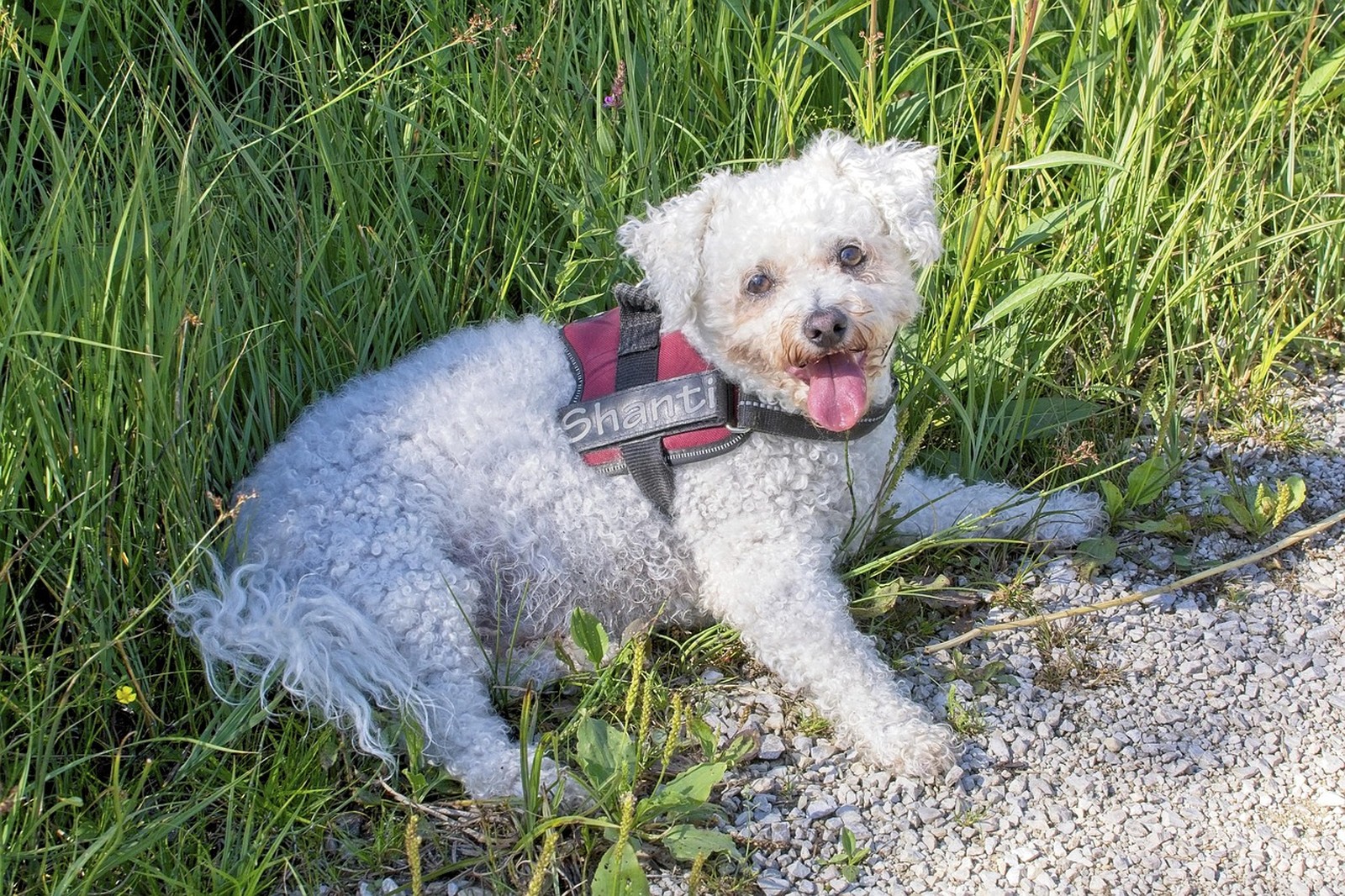
The first year with a Bichon Frise pairs one of the sunniest temperaments in the dog world with one of the most demanding coats in the small breeds. Understanding that trade early is the difference between a joyful year and a matted, frustrating one, because nearly every Bichon challenge is a routine challenge rather than a temperament one.
House-training: the slow project nobody warns you about
Bichons have a reputation for taking longer to house-train than many breeds, and small bladders plus a puppy's preference for soft indoor surfaces explain most of it. The fix is unglamorous structure: out first thing, after meals, after naps, after play, and last thing at night, with praise delivered outside the second the puppy finishes. Crate training, used kindly as a sleeping den rather than a punishment, helps the puppy learn to hold on, and cleaning accidents thoroughly with an enzymatic cleaner stops the same corner becoming a regular toilet.
Expect progress in weeks and reliability much later, and do not mistake a four-month-old's good run for a finished job. Regression during adolescence is normal for this breed and responds to a calm return to the puppy schedule.
The coat changes everything mid-year
A Bichon puppy's soft coat is easy. The adult double coat growing through underneath it is not, and the changeover period mats with startling speed, especially behind the ears, in the armpits, and around the collar. Brush and comb through to the skin most days, in short cheerful sessions paired with treats, so grooming becomes the puppy's normal rather than a wrestling match discovered at eight months old.
Most owners book professional grooming on a repeating cycle to keep the coat manageable, and the appointments belong in the family diary from the start of the year rather than after the first matting emergency. Wipe eyes daily to manage tear staining on that white face, and mention skin redness, paw chewing, or recurrent ear trouble to your vet, since this breed's skin can be reactive and early patterns are worth noting.
Company, confidence, and play
Bichons were bred as companions and take the job literally. A puppy left alone for long stretches can become anxious and vocal, so build alone-time gradually in tiny steps, leave safe chew toys, and arrange company for long workdays. Socialise kindly with people of all ages, other dogs, and household noises, because the breed's friendliness flourishes with practice, while an under-socialised Bichon can turn shy and barky.
Exercise needs are modest but real: a couple of proper walks, garden play, and indoor games on wet days. Mental games matter too, since a bored Bichon invents entertainment from toilet rolls and laundry baskets. Short trick-training sessions suit the breed particularly well, because a Bichon who has performed for applause settles into the evening visibly pleased with itself.
The year in balance
By twelve months a well-routed Bichon is a merry, well-mannered little dog whose coat turns heads for the right reasons. The year runs on repetition shared between people, and KinsLe's Care Teams fit that pattern well: brushing sessions, toilet breaks, and grooming bookings can each be assigned in KinsLe to whoever is home, with finished tasks timestamped so the coat never depends on guesswork.