
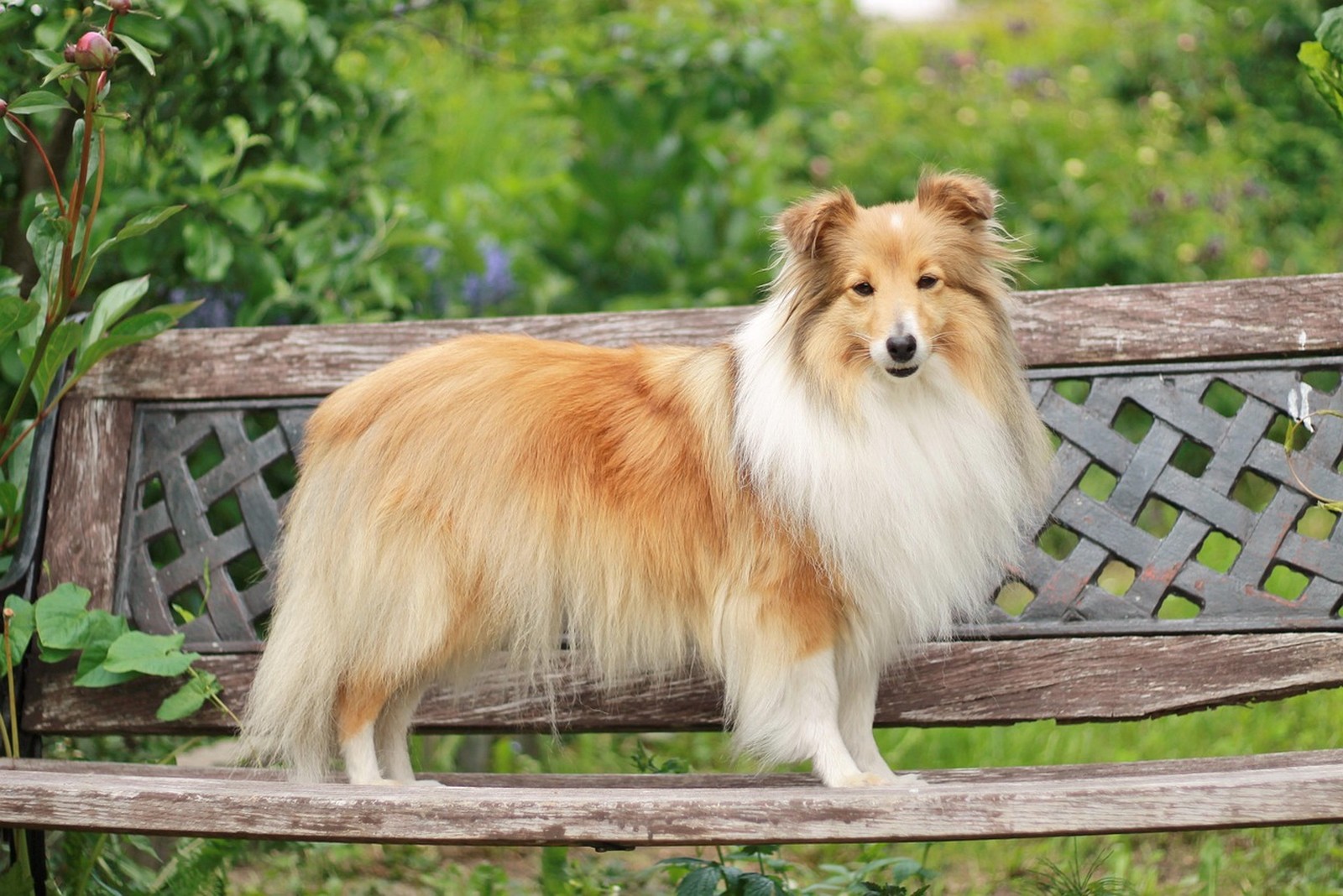
Sensitivity Is the Trait You Are Shopping For
Shetland Sheepdogs are bright, loyal, and easily overwhelmed by rough handling or chaotic early weeks, so the quality of the source shapes the dog you get more than almost any purchase you will make. Start with the breed club's referral and dedicated sheltie rescues, and favour breeders whose adult dogs greet you with soft curiosity rather than retreating, barking frantically, or hiding behind their owner.
Ask exactly how puppies are socialised. Good sheltie breeders introduce novelty gradually and kindly: different people, gentle handling, household sounds at sensible volume, short car rides, and play on varied surfaces. Flooding a sheltie puppy with overwhelming experiences backfires, and a breeder who understands that balance, and can describe it in detail, is worth waiting for. Puppies raised in quiet isolation are equally risky, because the world will not stay quiet for them later.
Eyes, Hips, and an Important Gene
Ask for eye screening on both parents, because collie-type eye conditions are a known concern in the breed, and ask about hip screening and thyroid checks in the breeder's programme. Then raise the MDR1 gene: many herding breeds can carry a sensitivity that affects how they handle certain medicines, and a knowledgeable breeder will know their dogs' status and will expect you to share it with your vet. You are not looking for a breeder who promises a dog free of every risk; you are looking for one who tests, records, and discusses results without defensiveness.
Temperament questions matter just as much. Ask whether the line tends toward reserve with strangers, how the mother behaves with visiting children, and how noisy the dogs are. Shelties are vocal watchdogs by nature, and a breeder who admits that freely is setting you up to succeed.
Rescue Shelties and the Value of Foster Notes
Shelties arrive in rescue through bereavement, house moves, and occasionally because shyness or barking overwhelmed an unprepared owner. A rescue that fosters in homes can tell you how a dog handles visitors, vacuum cleaners, traffic noise, men in hats, and being groomed, all of which matter enormously for this breed. Ask how long the dog took to relax in foster care and what helped: a predictable routine, a confident companion dog, a quiet room of its own.
Be cautious with listings that describe a sheltie as simply timid without detail. You need to know whether the dog is mildly reserved or genuinely fearful, because those are different commitments. A good rescue will also match thoughtfully, steering a nervous dog toward a calm adult household rather than a busy one with toddlers.
Choosing the Right Starting Point
A sheltie puppy from a careful breeder offers the chance to build confidence step by step, but it needs an owner willing to socialise patiently rather than force greetings. A fostered adult reveals its true confidence, bark level, and grooming tolerance from the start, and many adult shelties bond deeply once they feel safe. Either way, plan a quiet first week, gentle introductions, and no victory laps of crowded places.
Handing Over a Careful Dog's Careful Notes
Collect eye and health records, MDR1 status if known, vaccination and microchip details, current food, grooming routine, and the previous keeper's notes on fears, safe places, and soothing habits. For a dog that notices everything, knowing which noises frighten it and which evening routine settles it is not trivia; it is the operating manual.
KinsLe Transferrable Profiles guards that operating manual as the dog changes homes, so kindness is never left to chance.