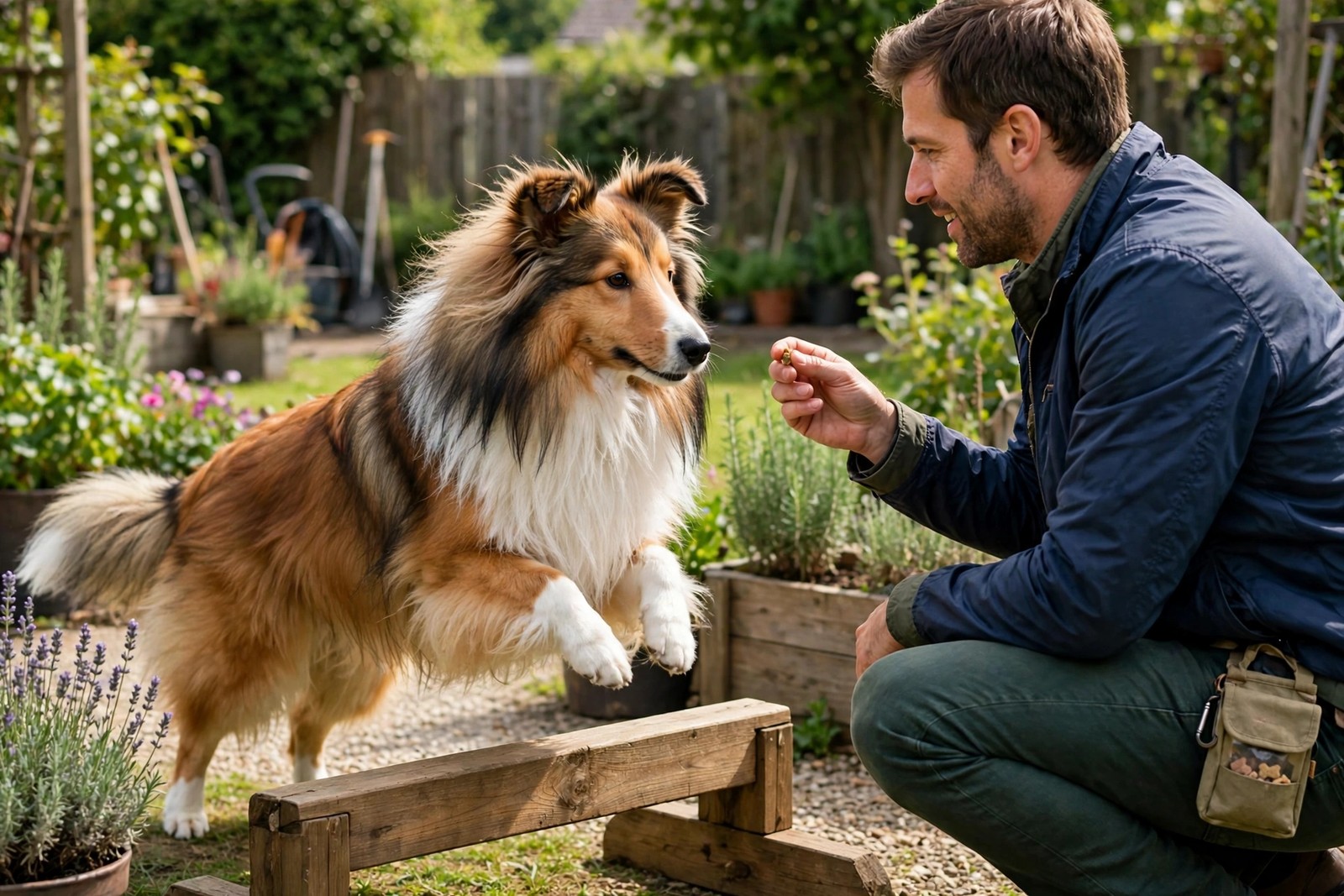
Shetland Sheepdogs usually live 12 to 14 years. The Sheltie is a small herding dog from the Shetland Islands, built at roughly half the size of its Rough Collie cousins, with a long double coat, a sharp mind and a notably sensitive temperament. Longevity in the breed rests on a handful of specific watchpoints (eyes, thyroid, teeth and waistline) plus the less obvious work of keeping a clever, easily worried dog mentally settled. Owners who build those checks into ordinary life give a Sheltie the best chance of reaching the upper end of its range in comfort.
Eyes, Thyroid and a Medicine Question to Ask Once
Eye screening is part of responsible Sheltie breeding, because the breed shares some inherited eye conditions with other collie breeds, so ask a breeder what eye testing the parents have had and keep eyes on the list at annual vet checks. Report cloudiness, bumping into objects in dim light or new reluctance on stairs. Thyroid function is the second routine conversation: an underactive thyroid is a recognised breed theme, and the early signs (weight gain despite unchanged food, thinning coat, seeking warmth, lower energy) are easy to blame on age, so they are worth naming at a check-up. There is also one question worth asking your vet early and recording clearly: some Shelties carry a gene variant that changes how they process certain medicines. You do not need to memorise drug lists; you need the conversation on record so any vet treating your dog, including in an emergency, works with the full picture.
Teeth, Food and the Training-Treat Trap
Shelties have small mouths with closely set teeth, so plaque builds quickly and daily brushing with a small brush pays off across a fourteen-year life. The harder problem is calories. Shelties are famously food-motivated, which makes training delightful and waistlines expandable; a breed that should weigh roughly six to twelve kilograms depending on height can become round very quietly under a long coat. Weigh your dog regularly rather than judging by eye, pay training rewards out of the measured daily ration and use part of the ordinary food allowance for games and practice. Feel for ribs under the coat weekly; if you are pressing through padding to find them, adjust portions in small steps and recheck in a fortnight.
The Older Sheltie
Senior Shelties often stay sprightly, but the watchpoints shift: keep the twice-a-year rhythm of vet contact in the later years if your vet suggests it, and report gradual changes (slower stairs, new lumps, increased thirst, a coat that thins or a dog that seeks heat) rather than treating them as inevitable age. Stiffness after rest that warms out is worth discussing, because small adjustments to exercise, bedding and home layout (rugs on slippery floors, a step at the sofa) keep an older herder comfortable and confident. Keep training gently for life; an old Sheltie's brain still wants a job, even if the job is now finding hidden treats in folded towels.
A Sensitive Brain in a Busy World
Shelties bond closely, notice everything and worry easily. Harsh voices, chaotic households and unpredictable routines wear on them, while clear patterns, gentle reward-based training and jobs to do (herding games, scent work, trick training) suit them deeply. Under-exercised Shelties rarely destroy furniture; they bark, chase and herd children, bicycles and shadows instead, so daily activity of around an hour, mixing walking with training and play, protects household peace as much as fitness. Grooming several times a week keeps the double coat free of mats behind the ears and in the feathering. In a busy home those jobs are easy to drop. KinsLe's Care Teams lets you assign your Sheltie's brushing, feeding and training sessions to different family members and see each task marked done, so the routine survives busy weeks.