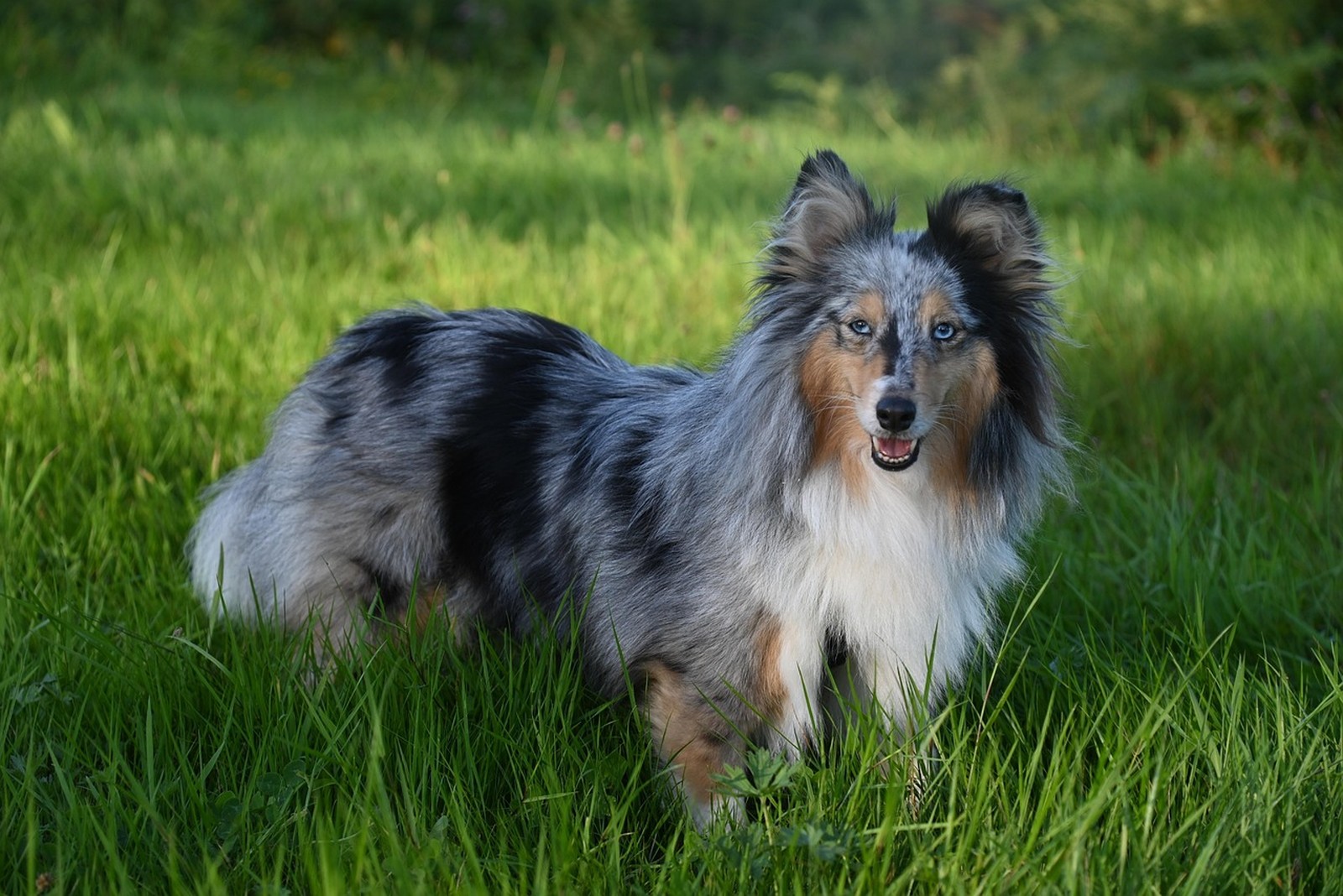
A sensitive herding dog in miniature
Shetland Sheepdogs were bred to work sheep in close partnership with crofters, and the breed kept both the herding toolkit and an unusual emotional sensitivity. Your puppy will read voices, moods, and household tension with unsettling accuracy, bond deeply to its family, and often regard strangers with polite suspicion. The first year is about building confidence in a dog who experiences everything at high resolution.
Harsh voices and heavy-handed training do real damage here. Shelties learn beautifully with soft, precise, reward-based teaching and shut down under pressure, so the household's tone is genuinely part of the training equipment.
Socialisation: the year's most important work
A Sheltie puppy's natural reserve can harden into fearfulness if the world arrives too late or too loudly. Aim for many small, positive experiences: watching children from a comfortable distance, meeting calm strangers one at a time, hearing traffic and household appliances paired with treats, and visiting new places briefly and often. Let your puppy observe rather than forcing greetings — being picked up by every admiring stranger teaches a shy puppy that outings are overwhelming, while choosing when to approach builds genuine confidence.
Watch for the difference between normal Sheltie reserve and a puppy who trembles, hides, or panics regularly; persistent fear deserves a proper conversation with your veterinarian and a qualified trainer early, while habits are still forming, rather than hoping adolescence will fix it.
Herding, chasing, and the Sheltie voice
The herding instinct shows up as circling, chasing bikes and joggers if allowed, rounding up children and other pets, and nipping in excitement. Redirect it into training: recalls, waits, fetch with rules, trick sequences, and scent games all give that busy brain legitimate work. Recall training matters especially, because a Sheltie who has locked onto a moving target can be surprisingly deaf mid-chase; a long line in open areas keeps practice safe.
Then there is the barking. Shelties are famously vocal, reacting to doorbells, passers-by, excitement, and boredom in a high, carrying voice. Teach a quiet cue early, reward settled watching, and keep the dog's day interesting enough that commentary is not its only hobby.
That glorious, demanding coat
The double coat — long, straight outer hair over dense undercoat — needs brushing to the skin at least weekly, with attention behind the ears, in the armpits, and through the trousers where mats form quietly. Shedding is steady and erupts seasonally. A puppy taught early that grooming is calm, treat-paired, and unhurried becomes an adult who stands happily for the brush-outs the coat demands; skipping weeks ends in felted undercoat that hurts to remove.
Beneath the hair, Shelties are lightly built and should stay lean, especially since the coat hides weight in both directions. Feel ribs weekly, measure food, and remember that herding enthusiasm does not require heaped bowls. Eyes and ears get routine checks during grooming, and scratching, head-shaking, or red skin that persists earns a veterinary visit.
Exercise and everyday life
Shelties need moderate, varied exercise: daily walks with sniffing, garden play, training woven through the day, and dog sports like agility suit many as they mature, though jumping work waits for grown joints. They are happiest in stable routines with their people nearby, and long daily isolation suits this devoted breed poorly. Arrange company for long absences, and teach alone time in gentle stages from puppyhood so independence grows alongside attachment.
Ending the year with a confident companion
Owners who socialise patiently and train softly usually finish the year with a devoted, graceful, startlingly intuitive dog. The confidence-building journey is part of that dog's story, and KinsLe preserves it via Transferrable Profiles, so a Shetland Sheepdog's profile — vet history, routines, and progress included — can pass whole to a new owner if life ever requires it.