A second opinion is not an accusation. Vets seek them from colleagues themselves, refer complex cases to specialists routinely, and understand that an owner facing surgery, a cancer decision, or a lifelong medication plan may need to hear the options twice before choosing. Bridges burn when owners disappear silently, complain about the first vet to the second, or return expecting the original practice to pick up a plan it never agreed to. A direct, appreciative conversation avoids almost all of that.
Say It Plainly and Early
Tell your regular vet before you book elsewhere, ideally at the appointment where the decision arises. Simple wording works: you have explained the options well, this is a big decision, and you would like another vet to look at the case before you commit. Most vets respond by offering to refer you themselves, which is even better, because a formal referral carries a clinical letter, the relevant images, and a request for a report back.
If cost is part of your hesitation, say that too. A second vet may suggest a different order of tests or a staged approach, and your regular vet would rather discuss a cheaper pathway than lose you without knowing why. What vets find difficult is not the second opinion; it is learning about it secondhand, or being asked to undercut a colleague without seeing the records.
Send the Whole Case, Not a Summary
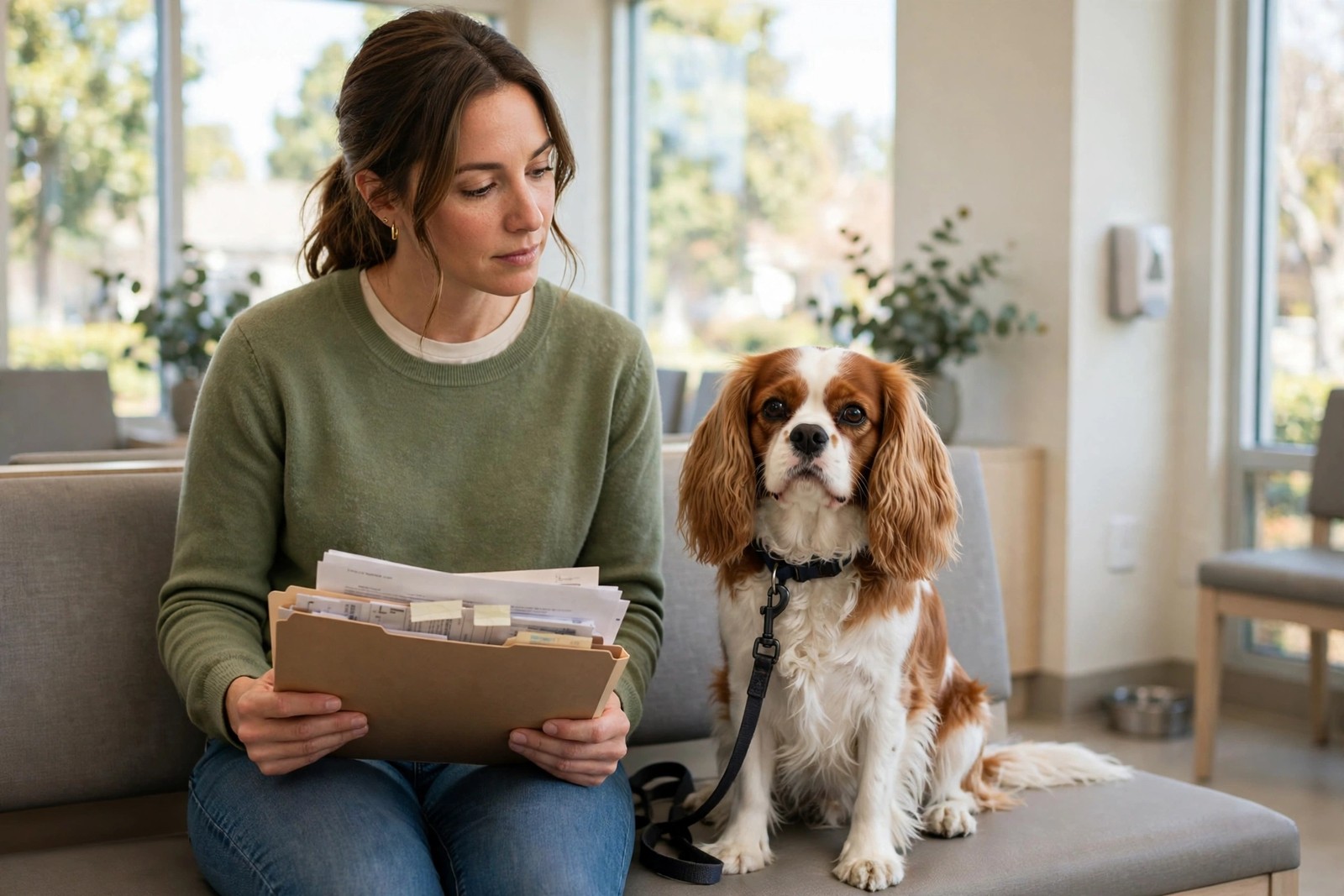
Ask for the complete clinical record to go directly to the second practice: consultation notes, blood and lab results, X-rays or scans in their original image form, vaccination and medication history, and any referral letters already written. Owners summarising from memory inevitably drop the detail that matters, such as when a symptom started, what was already ruled out, or which drug was tried and stopped.
Prepare your own one-page summary as well. Write the problem in your words, when it began, what has changed, what has been tried, and the exact decision you are facing, with a deadline if there is one. Bring your questions written down: are there other explanations, other tests, other treatments, and what happens if you wait? A focused appointment gets you a real opinion rather than a repetition of the first consultation.
At the Second Appointment
Give the new vet the facts without a verdict on the first. Say what you were told, what you understood, and what you are unsure about, and let them examine your dog and read the record fresh. Expect that they may agree entirely; agreement is a useful result, because it lets you proceed with confidence. If they disagree, ask them to explain where their reading differs and whether they are comfortable discussing it with your regular vet. Good clinicians do this routinely, and a short vet-to-vet conversation often produces a combined plan better than either alone.
Do not ask the second vet to perform treatment your regular vet has planned, or to prescribe around them, without a clear transfer of care. Mixed care, where neither practice holds the full picture, is where mistakes happen.
Coming Back Without Awkwardness
Whichever route you choose, close the loop. If you stay with your regular vet, tell them what the second opinion said and that you are happy to go ahead; that conversation takes two minutes and restores the relationship completely. If you move practices, thank the first team, confirm your records have transferred, and do not keep both practices half-involved.
Dogs with ongoing conditions may repeat this cycle over a lifetime, so a tidy record habit pays off repeatedly, and KinsLe's Pet Passport keeps your dog's results, images list, and visit history together in one portable packet that either practice can work from without chasing paperwork.