
Start with a veterinary check, then reduce the likely triggers: clean marked areas thoroughly with an enzymatic cleaner, add litter boxes and resting spots, keep routines steady, and block views of outdoor cats if that sets him off. Never punish spraying — it raises stress and usually makes marking worse, because spraying is a stress-and-territory behavior, not disobedience.
Step One: The Vet Visit Comes First
Every plan starts here, because urinary problems and marking overlap and mimic each other. Your vet will check for urinary tract issues and pain, ask where and when the marking happens, and help you separate medical from behavioral. Bring your notes — a phone photo of the typical spot and posture genuinely helps. If your cat is straining to urinate, producing little, or seems distressed, skip the planning stage and seek care urgently, especially for male cats. Once health is cleared, you can work the behavior plan with confidence instead of wondering.
Step Two: Erase the Scent Map
Your cat navigates by scent, and every old mark is an invitation to refresh it. Clean all marked areas with an enzymatic cleaner made for pet urine, soaking as directed so the enzymes can fully break down the odor compounds — surface wiping is not enough. Use a blacklight to hunt for spots you have missed on walls, baseboards, curtains, and furniture legs. Launder washable items, and for a repeatedly targeted spot, change its meaning after cleaning: place a food bowl or a scratching post there, since cats rarely mark where they eat or scratch.
Step Three: Remove the Reasons to Mark
Now work the triggers. Survey your home from your cat's height:
- Add litter boxes — a common guideline is one per cat plus one extra, spread across locations, not lined up in one corner.
- Multiply resources: separate feeding stations, several good resting and perching spots, scratching options in the rooms he marks.
- If outdoor cats trigger him, block the view with window film or close blinds at the hours they patrol, and deter visitors from your porch.
- Keep daily routines predictable — feeding, play, and your comings and goings on a steady rhythm.
- In multi-cat homes, watch for quiet bullying at doorways, boxes, and bowls; the marker is often the cat losing those contests.
Step Four: Rebuild Security
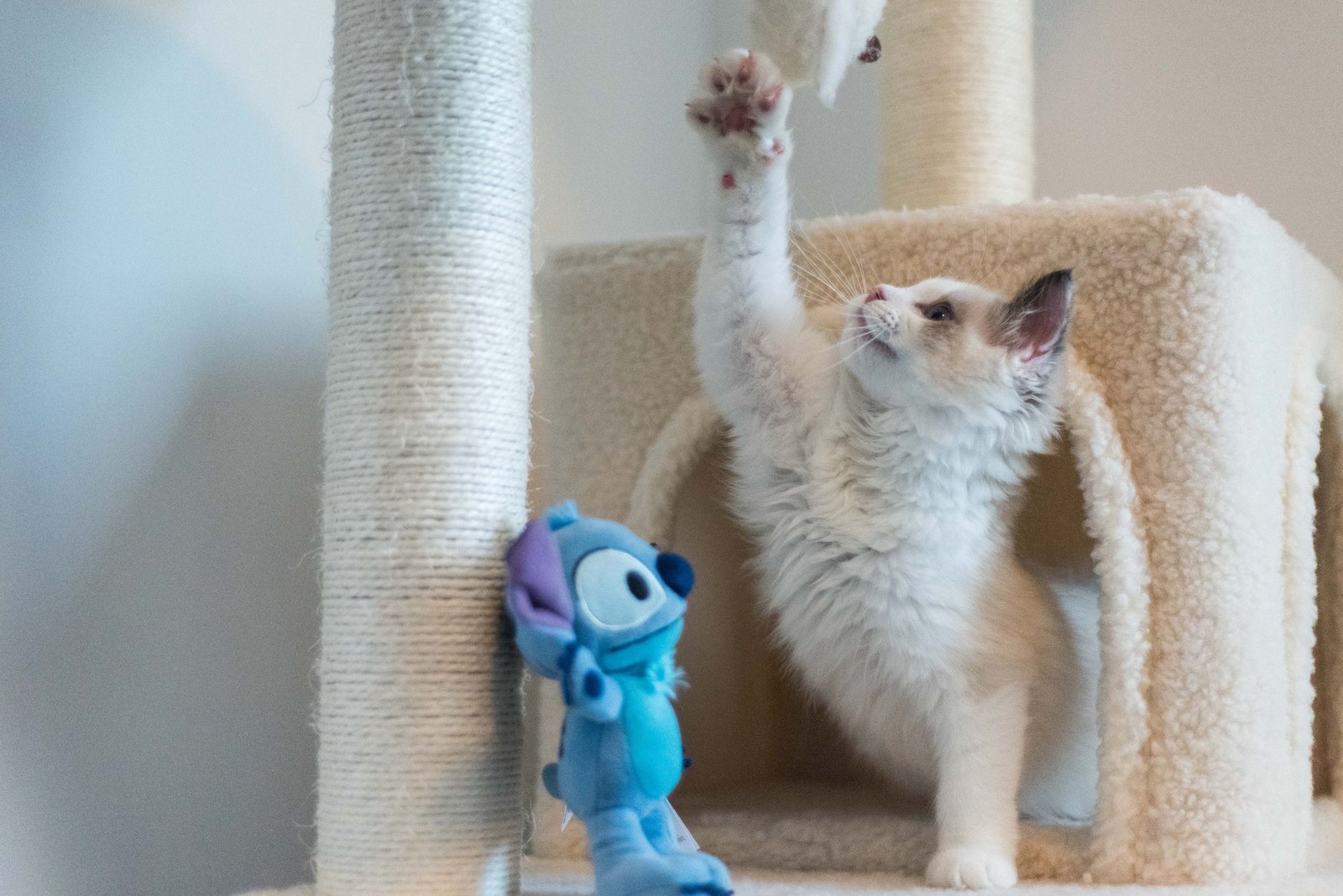
A confident cat marks less. Give him daily interactive play — ten or fifteen minutes with a wand toy, ideally before your evening wind-down — to burn off the arousal that ends in marking. Add vertical territory: a cat tree, a cleared shelf, a window perch in a room away from the problem windows. For persistent cases, ask your vet about additional support options and whether a referral to a behavior professional makes sense — some cases need that deeper help, and there is no shame in it.
Keeping the Routine Going With KinsLe
Progress on spraying is built from daily consistency, and KinsLe's built-in AI assistant, Kinny, can send reminders that help you keep up the play, cleaning, and litter routine that lowers the urge to mark — a nudge for the evening play session, a prompt to refresh a cleaned spot, a check-in on the log you are keeping. Small actions, repeated, are what convince a cat his territory is safe. Kinny inside KinsLe can field a follow-up question you pose about repeat marking on cleaned walls or visiting cats at the windows, responding with answers built from KinsLe Answers entries.