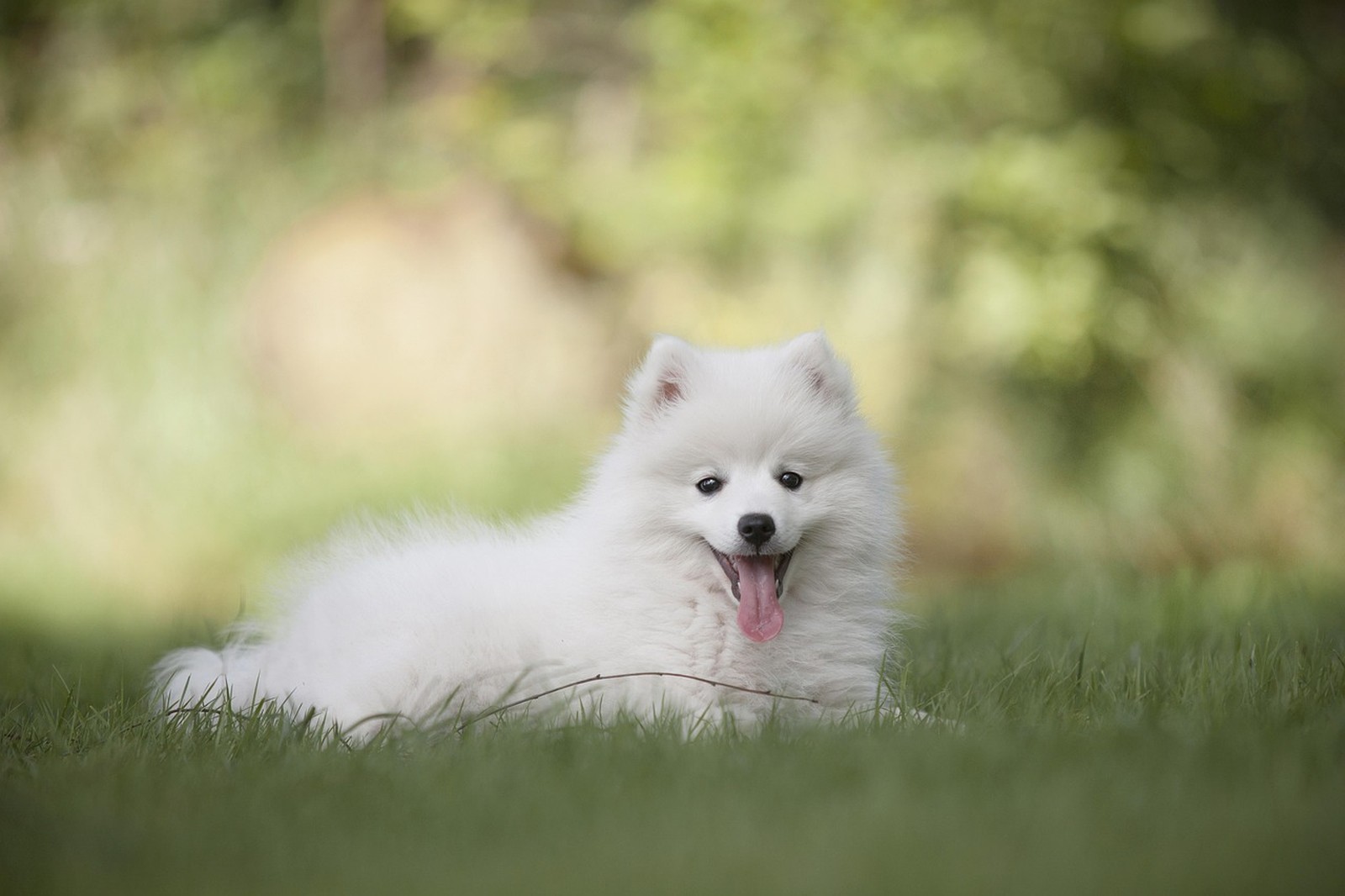
A pub garden concentrates almost everything a dog finds exciting into one small lawn: children moving unpredictably, plates of food at nose height on low tables, dropped chips, and other dogs passing within a lead's length. Calm behaviour there is an advanced skill, and it is trained in stages long before you order anything.
Teach the Settle Where Nothing Is Happening
Start at home with a portable mat that will travel with you. Reward your dog in small, frequent instalments for lying on it, building duration with you sitting beside him as you would at a table, reading or drinking tea, rather than staring at him and drilling cues. Add mild distractions at home, the doorbell, food on a nearby table, someone walking past, paying every calm glance-and-look-back.
Then rehearse in easier public places: a quiet cafe terrace at an empty hour, a park bench away from the action. The dog is learning the general rule that the mat means lie down, watch the world go by, and good things arrive quietly from you. Only when the settle is solid in those places is a pub garden a fair test.
Set the Scene for the First Visits
Exercise and toilet your dog beforehand, but avoid arriving straight from a wild game that leaves him fizzy. Choose your table like it matters, because it does: at the edge of the garden, back to a fence or wall if possible, away from the children's play corner, the kitchen door, and the main path where every arriving dog will pass. Settle him behind or under your chair, out of the walkway, with his mat, a water bowl, and the lead short enough that he cannot reach neighbouring tables but loose enough that he is not being held in place by tension.
Bring one occupying job, such as a long-lasting chew, only if he enjoys chews calmly in company and has no history of guarding them; otherwise scatter a few treats in the grass by your feet from time to time. Feed him nothing from plates, and brief your companions: dropped food gets picked up promptly, and nobody calls him out from his spot for a fuss.
Manage Children, Food, and Other Dogs Actively
Your job during the visit is supervision, not relaxation. Reward the pattern you want: he notices a running child, a passing dog, or a plate going by, then looks back at you. If children want to say hello and your dog is genuinely relaxed, keep it brief and side-on; if he is merely tolerating attention, decline politely and move him further away. Distance is your main tool, and using it early is what prevents barking, lunging, and lead frustration from being practised at full volume.
Keep first visits short, twenty to thirty minutes, and leave while it is still going well, even if your own drink is unfinished. Thirty good minutes teach more than an hour that ends in chaos, and the next visit can be a little longer or a little busier, one change at a time.
Know When to Call It a Day
Continuous barking, whining that escalates, panting and pacing when it is not hot, snatching at passing sleeves, or a dog who cannot take treats at all is telling you the environment is currently beyond him. Pack up without irritation, note what tipped him over, and drop back a stage in training. There is no shame in a dog who is not a pub dog yet, or in one who never becomes one.
Because nobody can supervise a dog and hold a conversation in turns without gaps, KinsLe's Care Teams lets your group agree the plan in advance: one named person is on dog duty for each outing, settle practice is assigned in the days before, and every completed session is timestamped so you can see the preparation was actually done.