
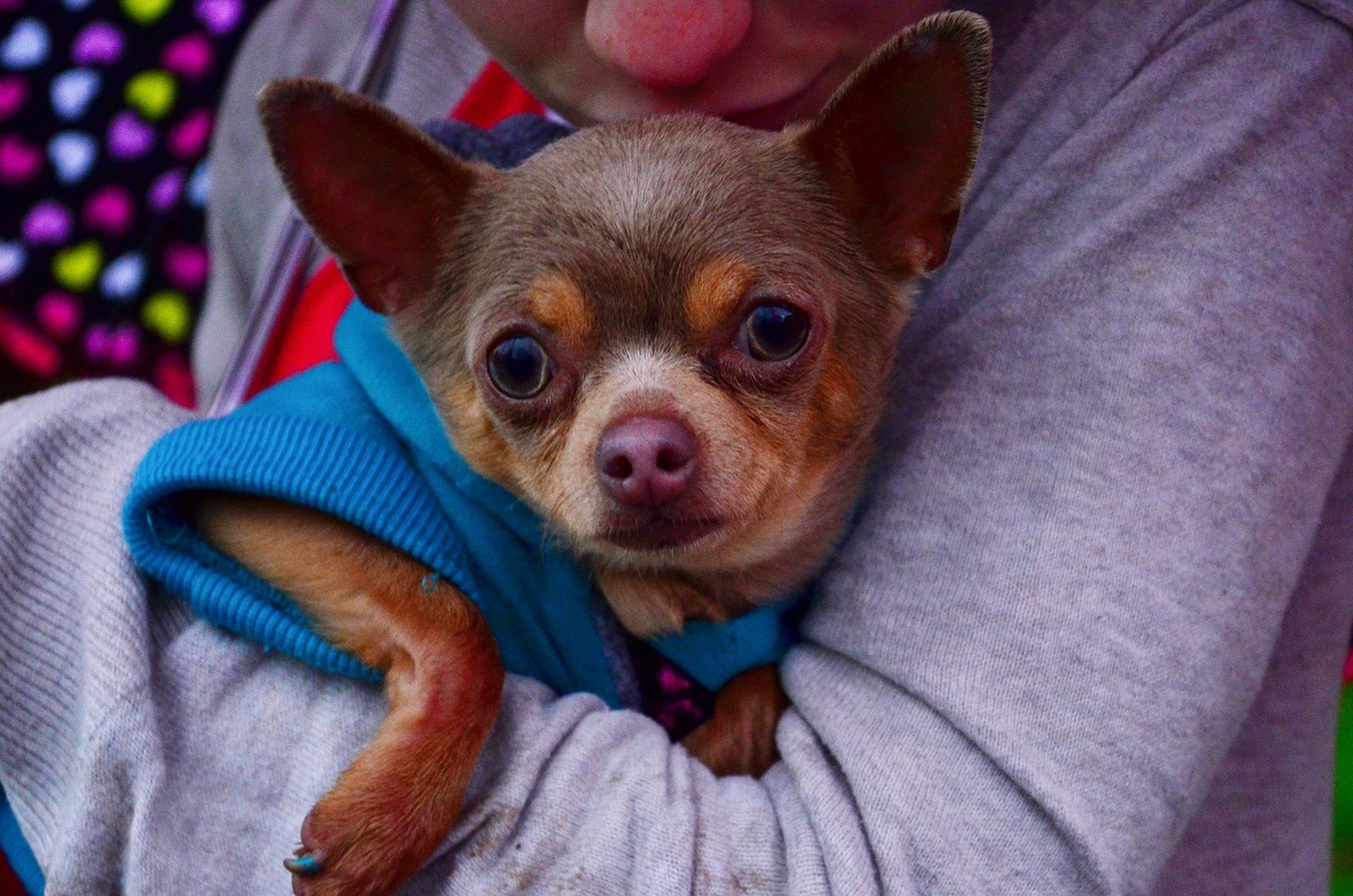
Why One Person Leaving Lands So Hard
Dogs organise their days around specific people, not households in general. If one family member is the source of the morning walk, the evening game, and the bed the dog sleeps beside, that person's departure removes several load-bearing parts of the dog's day at once. The resulting behaviour — searching at the door, carrying that person's shoes around, appetite dipping, or new clinginess to whoever remains — is grief in a practical form: the dog's predictions stopped working. Easing the transition means rebuilding those predictions in advance, so by the time the car leaves, the dog already knows who feeds him now and that life still runs on time.
The Gradual Handover in the Weeks Before
Start two or three weeks ahead. The departing student steps back from the dog's key jobs one at a time while someone staying home steps in: first the feeding, a few days later the main walk, then the bedtime routine, with the student still present and cheerful in the house so the change registers as a rota, not a loss. Keep walk routes, meal times, and sleeping arrangements exactly as they were — this is not the month to also move the dog's bed or change his food. If the dog sleeps in the student's room, transition the sleeping spot gradually too, with the student present for the first nights in the new place.
Departure Day and the First Fortnight
Keep the goodbye short, warm, and ordinary; a long, tearful farewell at the doorway teaches the dog that departures are alarming events. Then hold the routine firmly: same walk at the same time with the new walker, meals on schedule, and a little extra of the things he loves — a favourite game, a longer sniffy route — without turning the house into a permanent compensation party. Expect a dip: many dogs search and sigh for a week or so, then re-anchor to the reshaped household. Appetite loss beyond a couple of days, persistent pacing, or destructive behaviour that does not ease deserves a vet conversation, since settling grief should trend steadily in the right direction.
Keeping the Bond Alive Across the Distance
The relationship does not have to pause until the holidays. Leave behind an unwashed item of the student's clothing in the dog's bed, refreshed with a posted replacement when its comfort fades. Schedule regular video calls at a calm time — many dogs respond to a familiar voice, and even those who ignore the screen benefit from their owners' relaxed, happy reaction to it. The student should receive the ordinary news, too: photos from walks, the funny thing he did, a note when he mastered something new, so coming home is a continuation rather than a reunion with a stranger's dog.
Homecomings and the Rhythm of Term Life
First visits home go best kept low-key: the student walks in without a huge fuss, lets the dog greet, then slots straight back into a familiar job like the evening walk, which tells the dog the old pattern still exists even if it is intermittent. Departures after visits usually get easier as the dog learns the rhythm — this person goes, and returns, and the home routine holds in between. Keeping the student inside the flow of the dog's everyday life is what makes that rhythm visible to both of them, and KinsLe Messenger keeps every update about him — walk photos, vet news, messages from the family and sitter — inside his one per-pet conversation hub, so the student at university stays a real part of his daily life rather than hearing about him second-hand.