
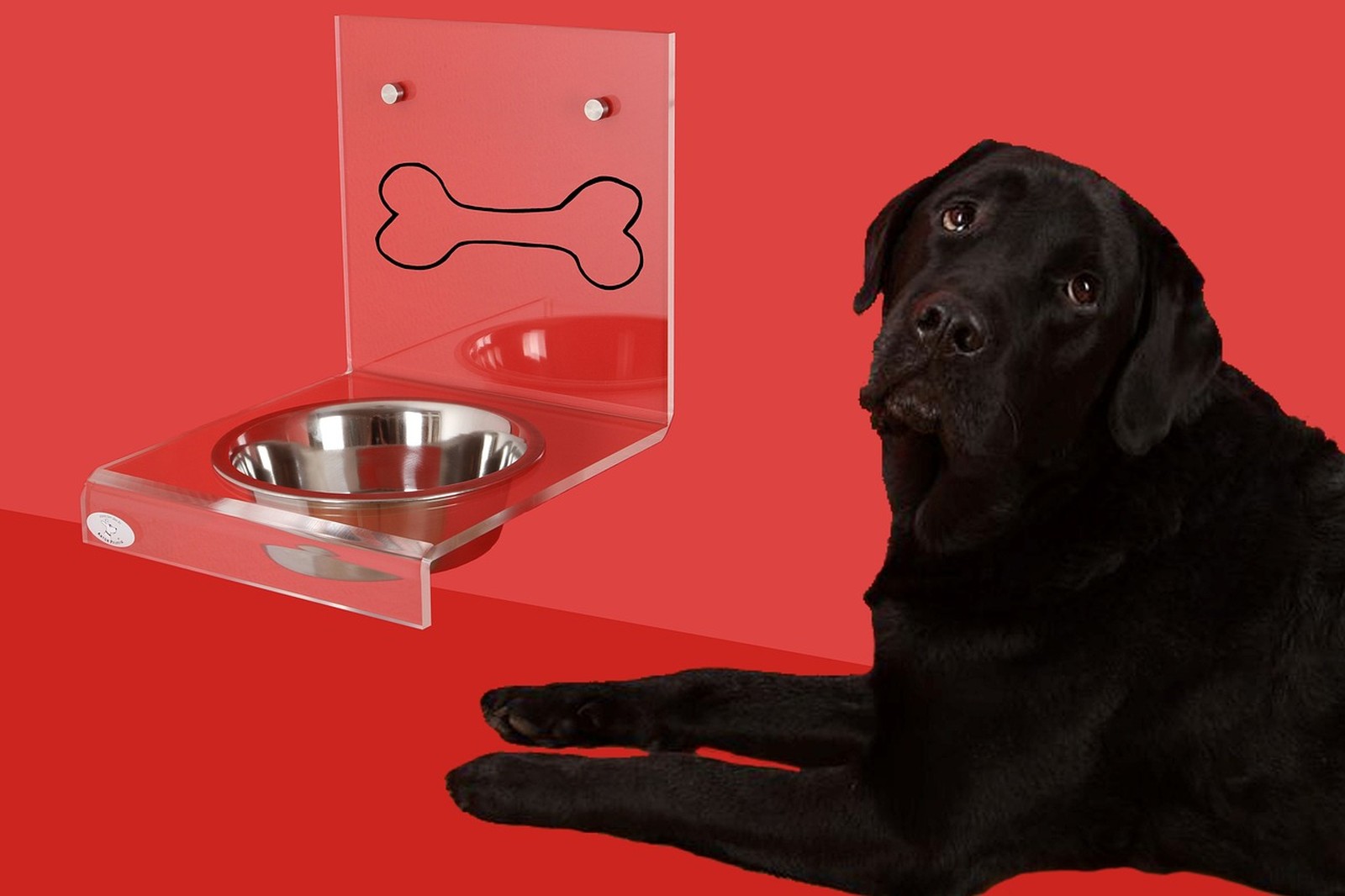
That slippery film is the whole problem
Run a finger around a water bowl that has stood for two days and you will feel a slick, slimy coating. That film is a community of bacteria and algae building itself a home on the bowl's surface, fed by saliva, backwash, food crumbs, and dust every time your dog drinks. Dogs are not delicate about it, but the film taints the taste of the water, can contribute to digestive upset, and in a warm kitchen it multiplies quickly. Most of water-bowl hygiene is simply never letting that film establish itself.
The daily routine that actually keeps water fresh
Empty the bowl completely every day — tipping out and topping up is not a change of water, it is a dilution of yesterday's. Wash it with hot water and washing-up liquid, scrubbing with a brush or a sponge reserved for pet bowls, because the mechanical scrubbing is what strips the film away; a rinse alone leaves it intact. Rinse thoroughly so no soap residue flavours the refill, then fill with fresh water.
Once a week, give the bowl a deeper clean — a dishwasher cycle if the bowl is dishwasher-safe, or a thorough hot soak and scrub — especially around the rim and base where film thickens unseen.
Material and placement make the job easier
Stainless steel and glazed ceramic are the easiest bowls to keep genuinely clean: hard, non-porous surfaces that scrub smooth and tolerate dishwashers. Plastic bowls are light and cheap but scratch with teeth and claws, and bacteria settle into those grooves where a sponge cannot reach — a plastic bowl that stays slimy despite washing is telling you it is ready to be replaced.
Where the bowl stands matters too. Keep it out of direct sun, which warms water and speeds algae growth, and away from the food bowl if your dog is a messy eater who drops kibble into his drink. A mat underneath catches splashes that otherwise grow their own film on the floor. Outdoors bowls need the same daily attention plus a check for leaves, insects, and algae — and in hot weather they may need refilling and rinsing twice a day, since warm standing water deteriorates fastest.
Fountains and automatic waterers are not self-cleaning
A circulating fountain tempts many owners as the effortless option, and the moving water does encourage some dogs to drink more. But the pump, filter, and reservoir grow the same film in hidden places, and a neglected fountain can be dirtier than a simple bowl. Follow the maker's cleaning schedule honestly — filters replaced on time, parts dismantled and scrubbed — or the convenience is an illusion. If nobody in the house will maintain it, a plain steel bowl washed daily is the cleaner choice.
Fresh water is also a health signal
A clean bowl pays a second dividend: you notice drinking habits. Refilling a washed bowl each day teaches you what normal intake looks like for your dog, so a bowl suddenly emptied twice over, or left nearly full by a dog who usually drinks steadily, stands out early. Big changes in thirst — much more or much less — are worth mentioning to a vet, and they are only visible when the water starts each day from a known, clean baseline.
Put the refill on the household rota
Water is the chore everyone assumes someone else did, which is exactly how a bowl reaches day three. Assigning it — and marking it done — turns an assumption into a certainty.
On KinsLe, Care Teams lets whoever washes and refills the bowl log it as a completed, timestamped task, so your dog's water is verifiably fresh every day rather than probably fresh.