
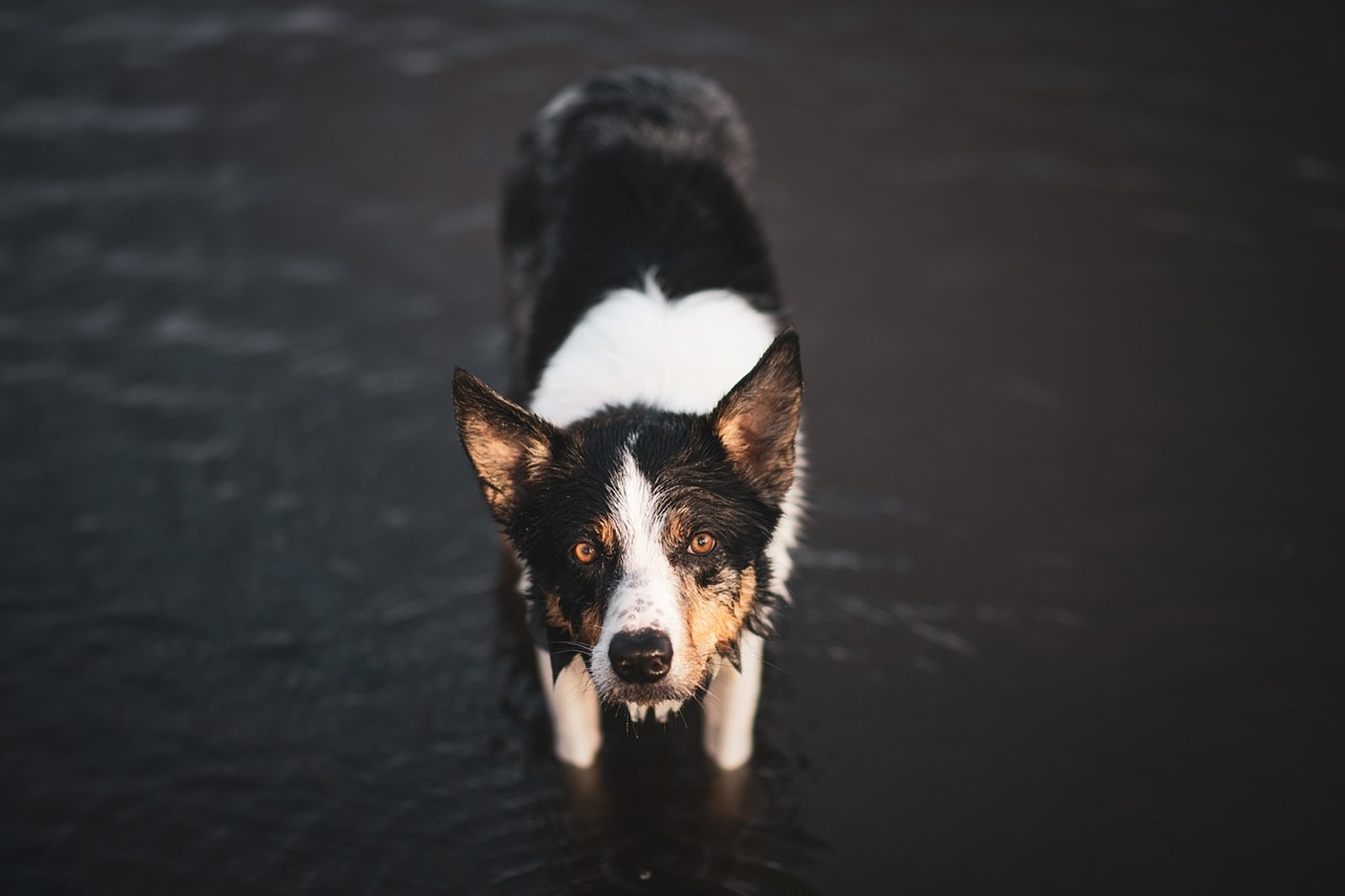
A full stomach and hard exercise are a bad pairing
Dogs are built to run on a relatively empty stomach — wild canids hunt first and feast after. A large meal followed immediately by vigorous exercise causes discomfort at best: sloshing, nausea, vomiting the meal back up, and a dog who learns to dread the walk that follows breakfast. In large, deep-chested breeds the combination carries a more serious risk — bloat, where the stomach twists, is a life-threatening emergency associated with exercise around large meals. Planning the day so that eating and exertion are separated is one of the simplest safety habits an active dog's owner can build.
The shape of a walking day
Work backwards from the walk. If you head out in the morning, either walk before breakfast entirely, or give a small early snack and let at least an hour pass — longer is better for big dogs — before anything strenuous. The main meal then lands after the walk, once he has cooled down: wait until his breathing has settled, he has drunk water calmly rather than gulping a bowlful, and he is showing normal interest in food. Thirty to sixty minutes of rest after hard exercise before a full meal suits most dogs.
For an afternoon or all-day outing, a moderate breakfast with a proper gap before departure works well, with the evening meal carrying the larger share of the day's ration. What matters is the pattern — no large meal hard against hard exercise, in either order — not clock-watching to the minute.
Fuel and water on the route itself
For walks of an hour or two, a healthy dog needs water, not a packed lunch. Carry water and a collapsible bowl, offering drinks at breaks, more often in warm weather. Small treats for recall and training are fine and barely register against the day's ration. On genuinely long days — hill routes, working dogs, or multi-hour activity — a small midday snack at a proper rest stop can help, but keep it modest and let him settle afterwards before the hardest section rather than feeding on the move.
Resist the urge to double his dinner because the day felt epic. One unusually active day does not require a feast; his normal ration, possibly with a small extra, covers it, and weight is managed across weeks. If his workload has genuinely increased long-term — a new daily running routine, a working season — then adjust the ration gradually and monitor his condition, rather than improvising bigger bowls after every outing.
Puppies, seniors, and sensitive stomachs
Young dogs need their meals more frequently, so plan walks between their smaller meals with the same gaps, and keep exercise itself age-appropriate and shorter. Senior dogs digest and cool down more slowly, so extend the rest after exercise before feeding and watch that enthusiasm on the walk does not outrun recovery. Dogs with a history of vomiting around exercise, or breeds prone to bloat, deserve the most conservative spacing of all — discuss the pattern with your vet, and learn bloat's signs: a swollen abdomen, unproductive retching, drooling, and restlessness after eating mean emergency care immediately, whatever the schedule said.
The routine has to survive other people
Meal-walk spacing breaks when the dog walker takes him out straight after a family member fed him, neither aware of the other. The times of the last meal and the planned walk need to be visible to everyone involved in his day, not carried in one person's head.
KinsLe's Care Teams puts those times in one shared place, with meals and walks logged and timestamped, so whoever laces up next can see at a glance that breakfast and the big walk are safely spaced.