
Thinness is a clue before it is a feeding problem
A dog can be underweight for simple reasons — a growth spurt, a high-energy temperament, an under-measured ration after a house move — or for medical ones: parasites, dental pain, digestive disease, organ problems, or pain that quietly suppresses appetite. The feeding plan differs completely depending on which, so the first step in fattening a thin dog is a veterinary check, especially if the weight loss is recent, rapid, or unexplained. Bring everything you know: what he eats, how much, his appetite, stool quality, worming history, and any change in thirst, energy, or behaviour. If the vet finds a cause, treating it is the weight-gain plan; if he is simply a lean, healthy dog who needs more fuel, you can feed with confidence.
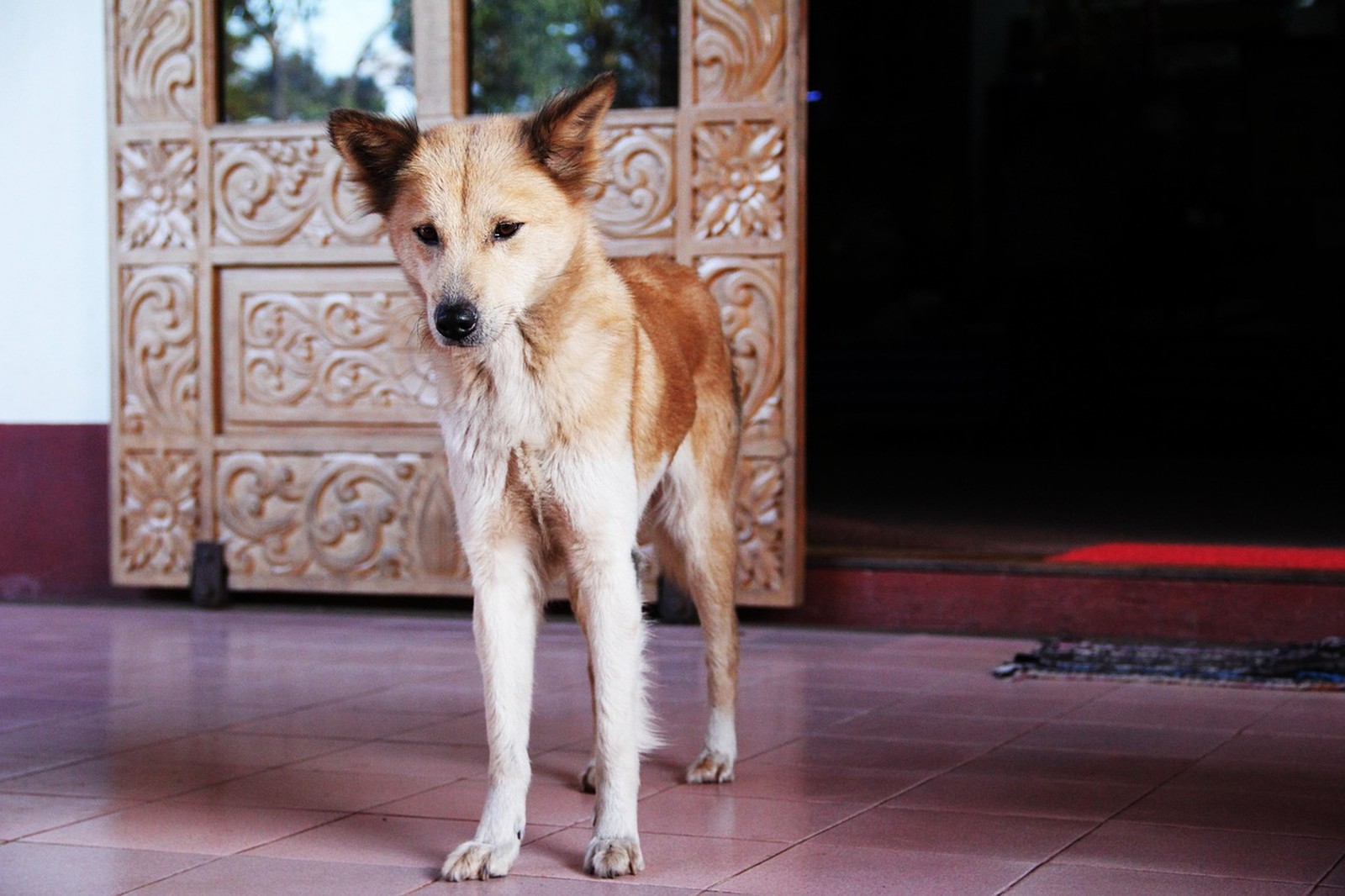
Confirm he is actually underweight rather than athletic. At a healthy leanness, ribs are felt easily but not seen from across the room; a genuinely thin dog shows ribs, spine, and hip bones prominently, with a tucked, hollow look and little muscle over the back and thighs. Photographs taken monthly from above and the side make later progress — or its absence — undeniable.
More calories, in a form his stomach can handle
The common mistake is doubling dinner overnight. A stomach used to small rations responds to a sudden flood of rich food with diarrhoea, and the calories leave faster than they arrived. Instead, raise intake in steps: increase his current food by a modest amount for several days, then step up again, watching stools and comfort at each stage. Splitting the day into three or four smaller meals lets him absorb more total food than two large ones, because each meal is digested more completely.
Energy density does the heavy lifting. A food formulated for growth or active dogs packs more calories into each cup than a light or senior diet, so he gains without needing a stomach-stretching volume. Transition to it gradually over a week. Measured additions to his bowl — an extra portion of his own complete food rather than random rich scraps — keep the diet balanced while calories climb; unbalanced extras in quantity can crowd out the nutrients he needs to rebuild muscle, not just fat.
Avoid forcing the issue with constant fatty treats, which commonly produce loose stools and a pickier dog who holds out for the extras. Keep treats small, counted, and secondary to proper meals.
Weigh weekly and watch what kind of weight returns
Weigh him on the same scales every week and write it down. The target is a slow, steady climb — visible change over a month, not days. Good gain shows as filling out over the ribs and back with muscle returning to the thighs; his coat and energy usually improve alongside. If weight stalls after a few weeks of honest increases, the vet needs to know, because a dog eating demonstrably more and gaining nothing is a medical puzzle. If he loses further at any point, or develops vomiting, persistent diarrhoea, or appetite loss, stop troubleshooting at home and go back promptly.
Exercise stays in the picture, tuned to rebuilding rather than burning. Gentle, regular activity — walks, play, short training games — stimulates appetite and lays down muscle, whereas exhausting exercise spends the calories you are trying to bank.
Keep the trend where it can be judged
Weight gain succeeds or fails on trends, and trends vanish without records. A log of his weekly weight, current ration, and stool quality turns a vague sense of 'maybe better' into evidence you and the vet can act on.
KinsLe's Pet Passport holds that record alongside his health history in one portable packet, so each weigh-in and ration change builds the picture his vet reviews with you.