
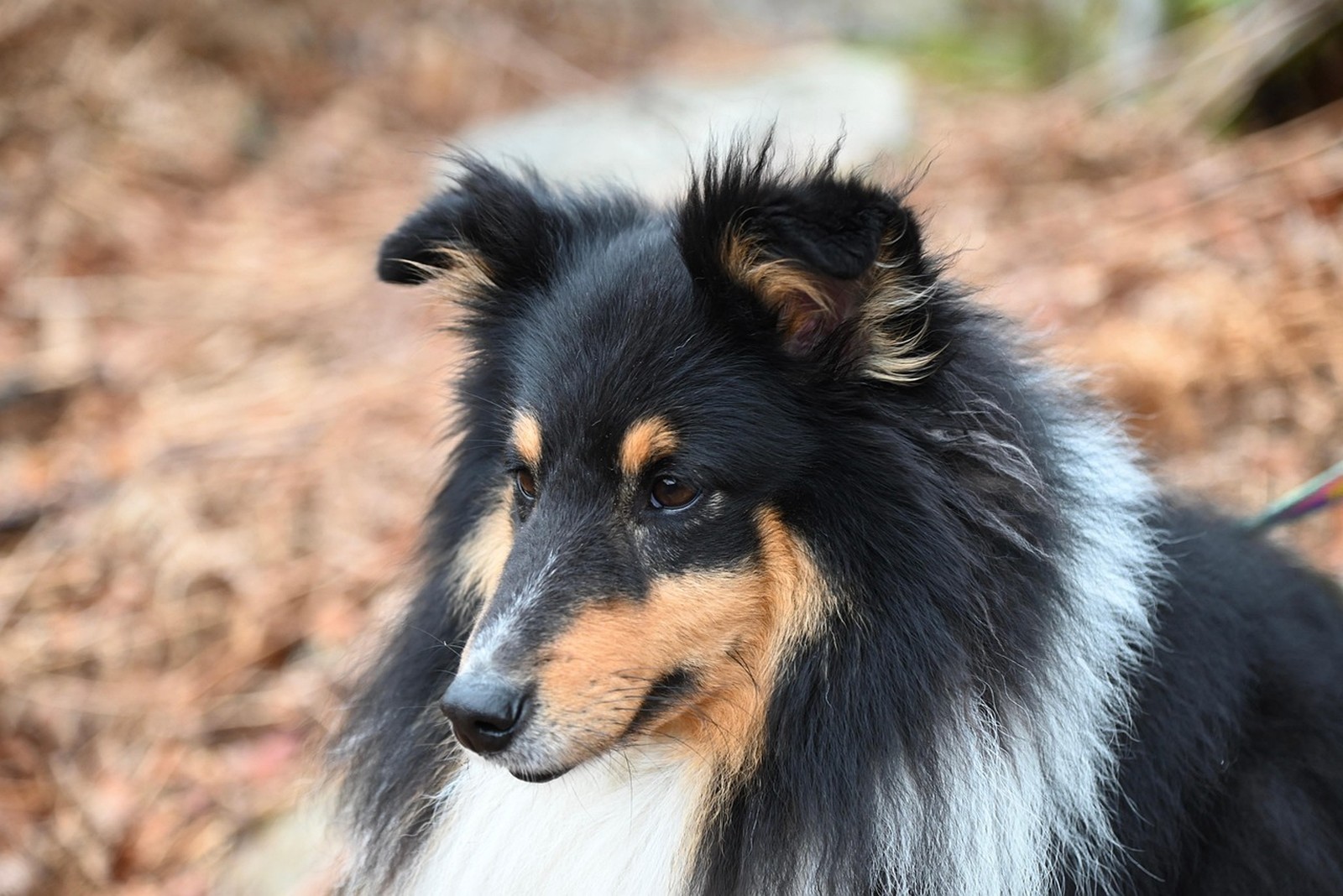
Begging is learned, and what taught it can unteach it
Your dog begs at the table because begging has paid. A chip dropped once, a crust offered because the eyes were irresistible, a child who shares when nobody is looking — each success tells him that persistence eventually produces food, and intermittent rewards are the hardest habit of all to break. That also explains why scolding rarely works: attention, even annoyed attention, still makes the table an interesting place to hover. The behaviour is not greed or bad manners in a moral sense; it is a strategy that has worked, and it fades only when it stops working completely while a different strategy starts paying instead.
Feed first, then give him a job of his own
Timing helps more than willpower. Feed your dog his own meal shortly before the family eats, so he comes to the room settled rather than hungry. Then send him to a mat or bed placed where he can see you but is not under elbows, and give him something that occupies him for the length of a meal: a stuffed rubber toy filled earlier and frozen, a lick mat, or a safe long-lasting chew reserved only for mealtimes. Reserve matters — a special item that appears only when people sit down teaches him that mealtime means his own good thing arrives in his own spot.
The table rules nobody is allowed to bend
Every person, every meal, no exceptions: no food from plates, no tidbits while clearing up, and no feeding him from a chair at the end as a reward for waiting, because from his side that still links the table to food. Ignore staring, sighing, chin-on-knee, and pawing entirely — look away, keep hands on the table, and let the performance run out of fuel. Warn guests before they sit down, especially children and grandparents, and give keen feeders a job instead: they may put a treat in his bowl in the kitchen after the meal, away from the table. Expect a brief burst of louder, more inventive begging in the first days when the old trick stops paying; that surge is normal and is the moment most households accidentally retrain it by giving in.
Build the mat habit away from real meals first
Do not debut the routine during Sunday dinner. Practice in short, calm sessions: ask for a settle on the mat, reward him there, release him, and repeat, lengthening the quiet time gradually. Then rehearse during a snack at the table before trying a full family meal. If he breaks position, return him calmly once or twice; if he cannot settle at all, he is not ready for that level of temptation, so let him rest behind a gate with his chew rather than rehearsing failure at the table. Within a few weeks of consistent practice, most dogs begin taking themselves to the mat when they smell dinner cooking.
Keep people food out of his bowl for health as well
Table scraps are not just a behaviour problem. Rich, fatty leftovers can trigger stomach upsets and, in some dogs, a painful bout of pancreatitis that needs veterinary care, while cooked bones can splinter and certain everyday ingredients from human meals are unsafe for dogs. Keeping his diet to his own food, measured and predictable, protects his digestion and his waistline as well as your dinners.
When the whole household works from one plan, progress holds, and KinsLe Care Teams keeps that plan visible — who feeds him, when his meal happens, and the shared no-scraps rule — so a well-meaning guest or teenager cannot undo it unknowingly.