
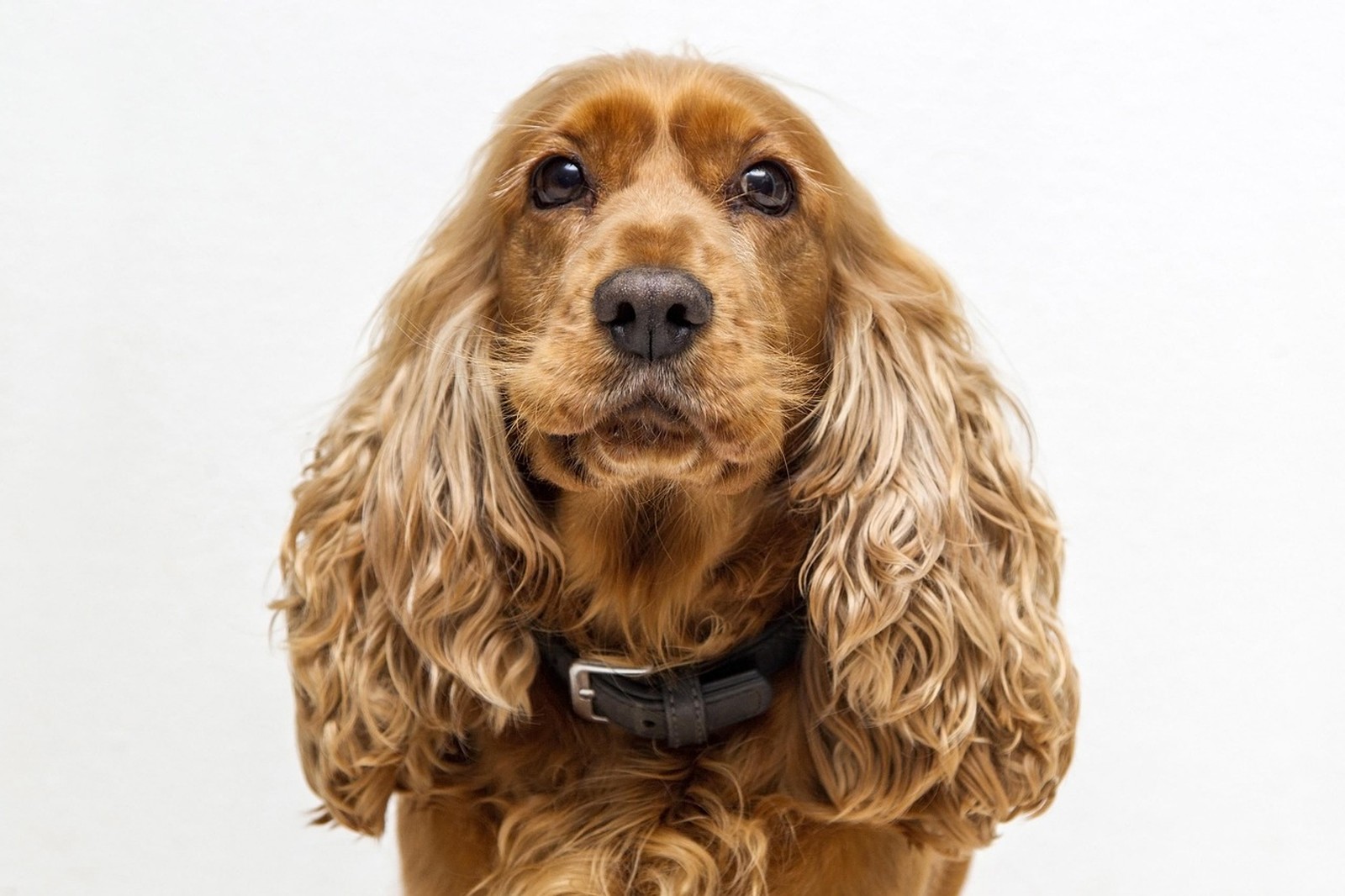
The safest greeting between a child and a dog is one the dog can decline. Most bites to children happen with familiar dogs at home, during moments adults assume are safe: hugging, leaning over, reaching for a resting dog, or persisting after the dog has asked for space. Teaching children to greet calmly means teaching them to read an answer. The script is simple — stop, wait, let the dog come, stroke briefly, stop again — but it must be practised with role play and supervision, not explained once and hoped for.
Why children's natural greetings overwhelm dogs
Children greet the way they greet favourite people: face to face, arms out, moving directly in, often at the dog's head height and sometimes with squealing for emphasis. To a dog, a direct frontal approach with reaching hands and sustained eye contact reads as confrontation, and a hug pins him in place while a face arrives beside his own. Small children also move unpredictably, stumbling, grabbing for balance, dropping toys, which startles even tolerant dogs. None of this makes children wrong or dogs dangerous; it means the greeting has to be redesigned around how dogs actually signal comfort, which is loosely, sideways, and with the freedom to walk away.
The greeting script, step by step
Teach and rehearse these steps first with a toy dog and then with a calm adult dog your child knows. One: stop a few steps away and ask the owner, and in role play, the dog, for permission. Two: stand side-on, hands by sides, and let the dog close the distance if he wants to sniff. Three: stroke the chest or shoulder, the areas most dogs prefer, for about three seconds, never reaching over the head or leaning across the body. Four: stop and step back slightly; a dog who leans in or nudges is asking for more, while a dog who turns away, shakes off, or moves off has finished, and honouring that ending gets as much praise as the greeting itself.
Practise the never list too: no approaching a dog who is eating, sleeping, or chewing, no chasing a dog who retreats, and no picking up even a small, patient dog.
Supervision is the real safety system
No script replaces an adult within arm's reach watching the dog, not just the child, and young children and dogs should never be left alone together. Position yourself so you can step between them calmly, end interactions early while they are still going well, and give the dog a child-free retreat he can choose at any time, because a dog who can leave rarely needs to escalate. Watch for the quiet signals that mean end now: yawning, lip-licking, showing the whites of the eyes, going still, or a tail that stiffens rather than wags loosely, and narrate them aloud so children learn to spot them too.
Tailor the lesson to age and to the dog
Toddlers cannot run a script, so for them the adult choreographs everything: the child sits, the dog approaches, one gentle stroke happens with your hand guiding theirs, and the interaction ends. Older children can take on more, reading body language quizzes, practising the consent pause, and learning to be the person who protects a dog from other children's roughness. Adjust for the dog in front of you as well: a shy or elderly dog may prefer parallel activities, walking together or training a simple trick with treats, over physical greetings at all, and that preference deserves the same respect you are teaching.
Rules like these survive only when every adult in the family enforces them identically, so KinsLe records the greeting script in Care Teams, where supervising greetings and dog-retreat checks appear as shared duties each adult can confirm with a timestamp.