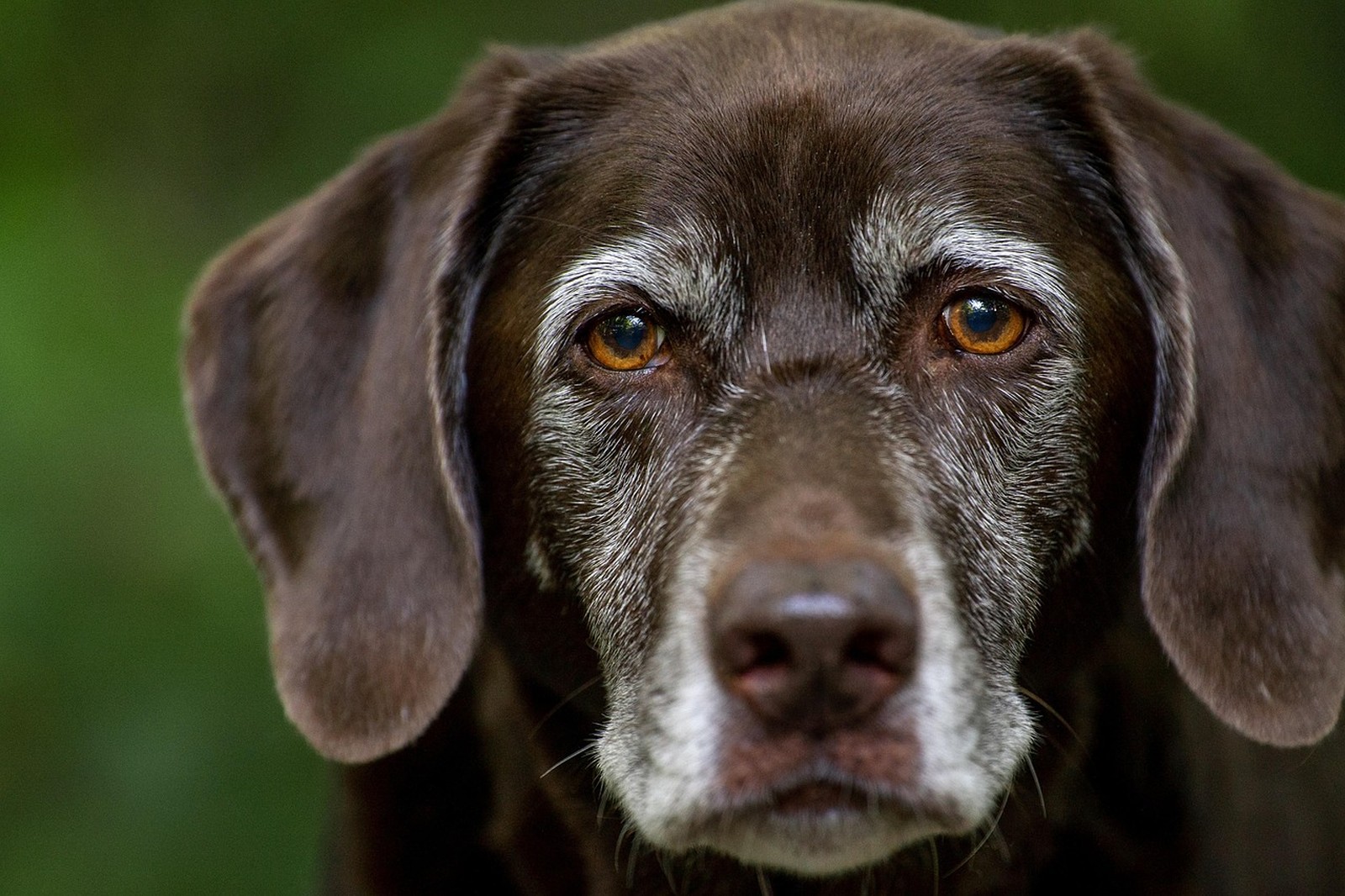
A dog who is gentle around toddlers is not a dog with a special soft temperament that you simply uncover. He is a dog who has been carefully taught what behaviour pays around small children, protected from situations he cannot handle, and given an escape from every interaction. Toddlers are the hardest age group for dogs: they move erratically, fall against things, grab with tight fists, shriek at dog height, and cannot read or respect a single warning signal. So the teaching plan works on both ends at once, building the dog's calm skills at a distance first, while managing the toddler's access until close contact can be brief, supervised, and easy for the dog to end.
Start behind a barrier, not nose to nose
Let your dog get used to the toddler's presence, sounds, smells, and unpredictable movement from behind a baby gate or in a pen arrangement where he can watch without being reached. Reward the behaviours you want repeated: lying down, sighing, glancing at the toddler and back to you, choosing his bed. Pair toddler noises with good things arriving for the dog, so the shrieks and dropped toys predict treats rather than tension. Many dogs need days or weeks at this stage, especially if the toddler is newly mobile, and a dog who relaxes fully behind the barrier is learning exactly the emotional habit you want before any physical meeting happens.
Keep a child-free zone with his bed, water, and chews available throughout.
Train the skills that make gentleness possible
Three trained behaviours carry most of the safety load. A settle on a mat gives the dog a defined job near family activity: practise it to fluency away from the toddler first, then with the toddler visible at a distance. A strong leave it, taught with food and toys, covers dropped snacks, grabbed ears, and interesting toddler objects before they become contests. A cheerful recall lets you call the dog out of any moment that tightens, and it should be rewarded every single time in this context. Work on mouth manners separately too: redirect any mouthing of hands or clothes onto toys during play with adults, before excitement at toddler height tests it.
Choreograph the first real contact
When both are ready, arrange short meetings with the dog on a loose lead or free in a gated space, the toddler held or seated with an adult, and a second adult handling the dog. Let the dog approach and sniff briefly if he chooses, reward him, and call him away for a break before he tires of it; ninety pleasant seconds beat ten minutes that end in overwhelm. Position the dog's mat nearby so settling is the meeting's main activity, and end every session with the dog getting something enjoyable away from the child, a chew in his safe zone, so toddlers do not monopolise his good life. Teach the toddler's rules in parallel: no climbing, hugging, or cornering, and instant respect for a dog who walks away.
Red flags that mean pause and get advice
Stop close contact and seek help if your dog goes still and stares when the toddler approaches, guards toys, food, or resting places more strongly since the child became mobile, growls, or starts avoiding whole areas of the house. Growling is valuable information and must never be punished, because it is the warning that keeps everyone safe. A vet check rules out pain, and a behaviourist can judge whether training suffices or a stricter long-term separation plan is needed — a legitimate outcome, not a failure.
None of this works if one adult supervises loosely while another is strict, so KinsLe coordinates the effort in Care Teams, assigning supervision turns, mat practice, and safe-zone checks as duties that each adult confirms complete with a timestamp.