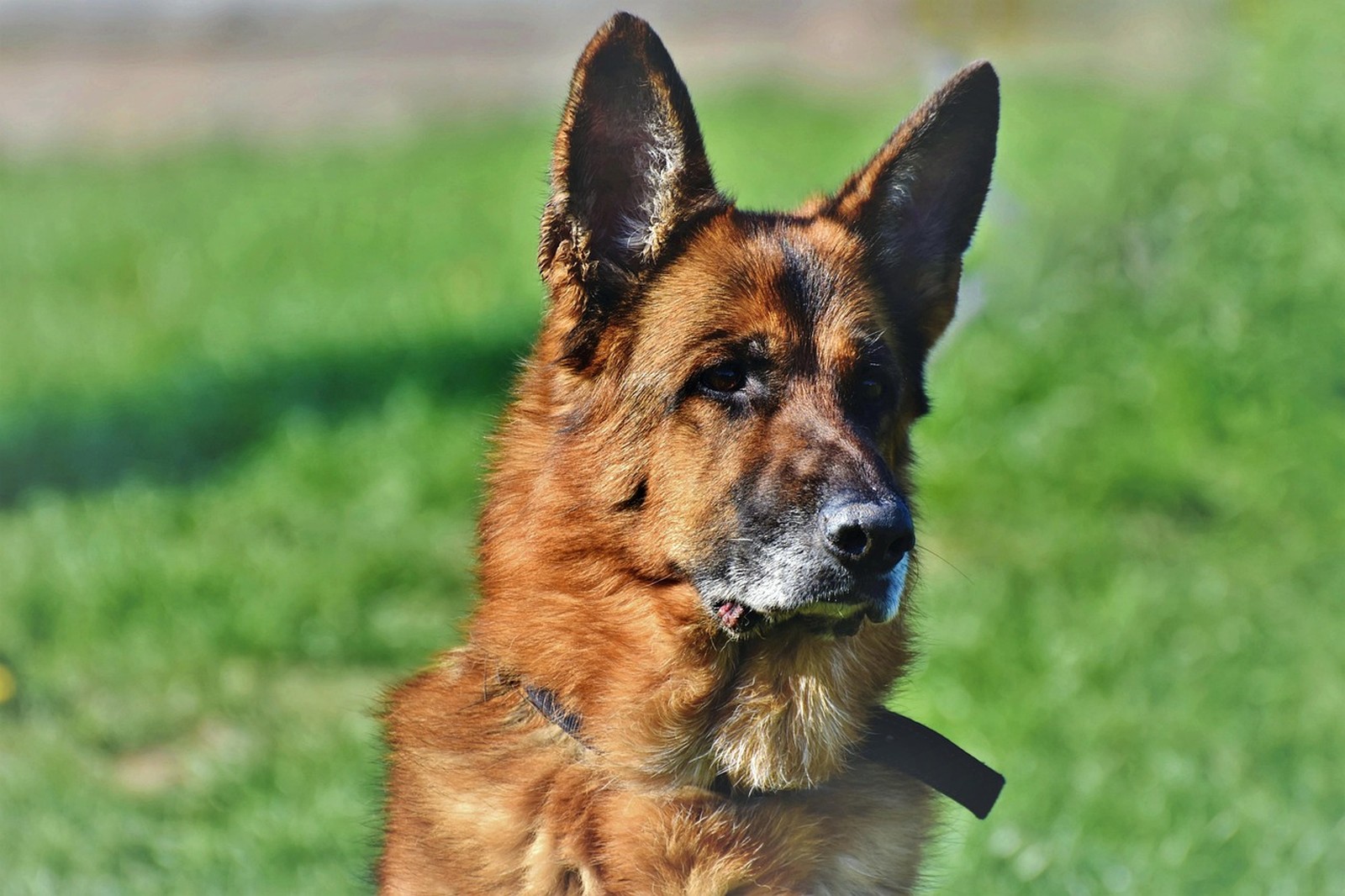
Two Meals, Not One, for a German Shepherd
A healthy adult German Shepherd should eat two meals a day — breakfast and an evening meal — with the daily ration split between them. There are two reasons this matters more in this breed than in many others. First, the Shepherd is a big dog whose full daily food is a substantial volume; one sitting asks the stomach to handle a heavy load at once. Second, German Shepherds are deep-chested, and large, closely spaced meals followed by exercise are a pattern owners of deep-chested breeds are advised to avoid. Two moderate meals, with rest after eating, is the safer, calmer routine.
Puppies follow the usual large-breed path: four small meals a day when young, then three, settling onto two from around six months, with the timing adjusted to the individual puppy's growth and condition.
Feeding a Slow-Growing Large Breed
German Shepherd puppies grow for well over a year, and meal frequency is part of growing them steadily rather than quickly. Four small meals spread the day's nutrition so a puppy's stomach keeps up, and measured portions from a food formulated for large-breed growth help avoid the rapid weight gain that stresses developing joints. Weigh your puppy regularly, follow the food's guide as a starting point, and let your veterinarian's growth checks steer increases.
During the move from four meals to two, change gradually over a couple of weeks: drop one sitting, enlarge the others slightly, and watch stools and appetite. A Shepherd puppy that is constantly ravenous, losing weight, or producing persistently loose stools on a sound schedule should be seen by a veterinarian rather than simply fed more often.
Timing Meals Around Work and Exercise
Shepherds are working dogs at heart, and many pet Shepherds train, run, or hike seriously with their owners. Build the two meals around that activity, not through it: feed after morning exercise once the dog has cooled and settled, and give the evening meal after the day's work, leaving a rest period before any late play. Avoid vigorous exercise for a good stretch after a meal — this breed's build makes the feed-then-rest habit worth treating as a rule rather than a preference.
Water should always be available, but discourage tanks of water gulped immediately alongside a just-finished large portion; steady drinking through the day is the goal.
Sensitive Stomachs and Steadiness
German Shepherds have a reputation for sensitive digestion, and a consistent two-meal routine is one of the kindest things you can offer one. Same food, same times, same measured amounts: most Shepherd stomachs settle into predictability when the schedule stops changing. Introduce any new food gradually over a week, mixing increasing proportions into the old, whatever the meal count.
Know the signs that move a feeding question to the veterinarian quickly in this breed: a swollen or hard abdomen, repeated unproductive retching, restlessness and drooling, vomiting that repeats, refusal of meals a Shepherd would normally take, or sudden weight loss. Those are not wait-and-see symptoms in a deep-chested dog.
Sharing Feeding Duty Without Gaps
A Shepherd's two meals often fall to different people — one before work, one after — and missed or doubled feeds are common when the plan lives in someone's memory. Writing the schedule down, with amounts and the post-meal rest rule, keeps the dog's routine identical whoever is on duty.
KinsLe Care Teams turns that written plan into assigned morning and evening duties for your German Shepherd, each marked complete with a timestamp, so the household always knows whether the last meal has actually been served.