
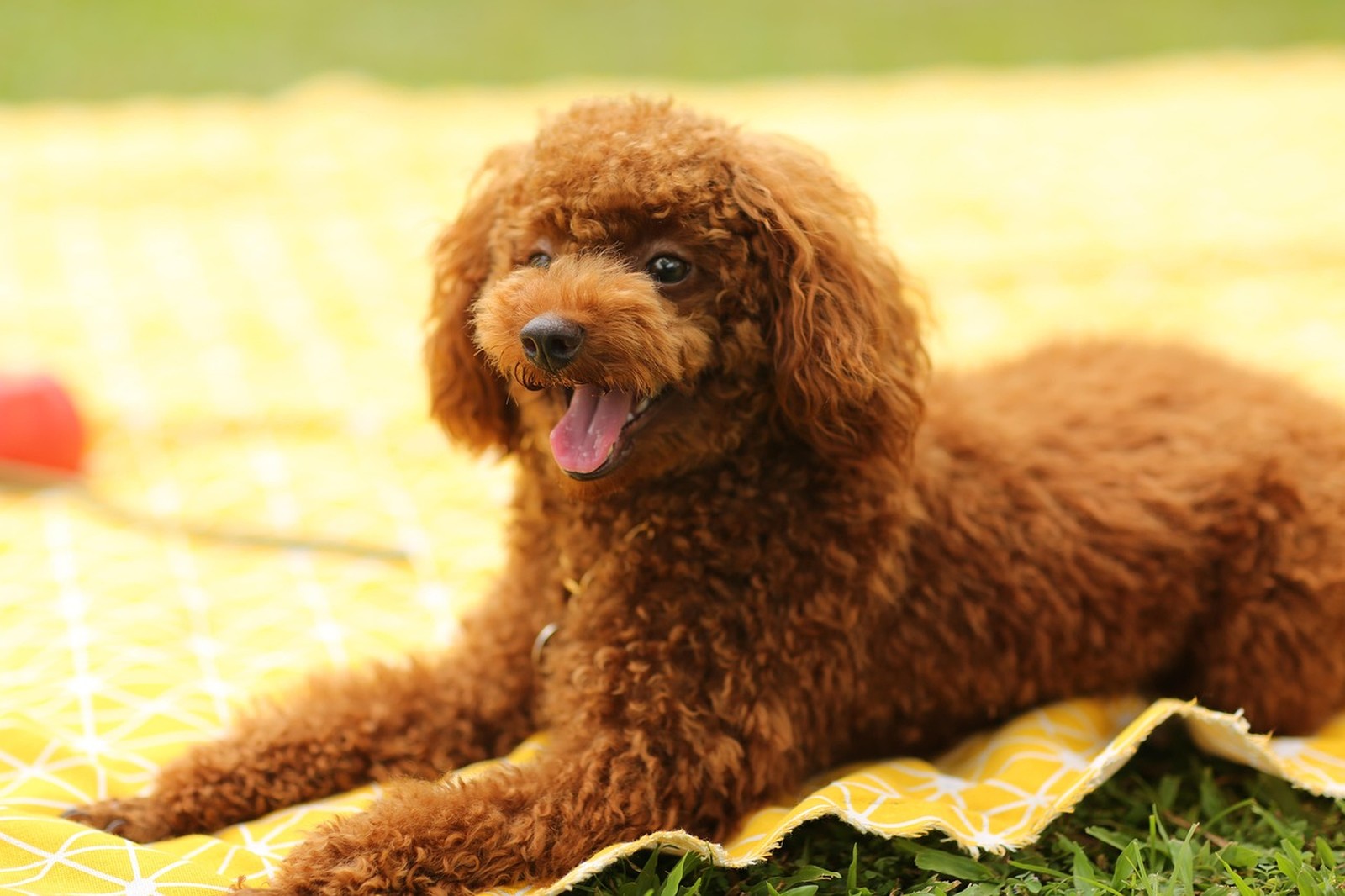
Two Set Meals for an Adult Miniature Poodle
Most adult Miniature Poodles do best on two meals a day, morning and evening, at roughly the same times each day. The Miniature is a small but athletic dog — bigger and sturdier than a Toy, smaller than a Standard — and two moderate bowls cover the day's needs comfortably while keeping digestion and toilet routines predictable.
The detail that matters most with this variety is the schedule itself. Poodles are intelligent, observant dogs who learn household patterns quickly; a reliable feeding rhythm becomes part of the day's structure, and most Miniatures eat more willingly inside a routine than when food appears at random hours or sits available all day.
Puppies: Little and Often, Then Two
Miniature Poodle puppies should eat three to four small meals a day, because a puppy stomach is small and growth is rapid. Four meals in the early weeks, three as the puppy grows, and two by around six months is the common path, with amounts drawn from the puppy food's guide and checked against body condition — a Miniature puppy should feel lean and lively, with ribs easy to feel under a thin covering.
Change the schedule gradually when you step down, merging one meal into its neighbours over several days. A puppy who repeatedly turns away from meals, fails to gain, or has persistently loose stools needs a veterinarian's input rather than a reshuffle of meal times alone.
Managing the Discerning Poodle Appetite
Miniature Poodles have a reputation for pickiness, and meal frequency is often where the battle is won or lost. Grazing — food left down all day — is the pattern most likely to produce a nibbling, unimpressed dog whose owner cannot say how much was actually eaten. Two defined meals create genuine appetite at each sitting: put the bowl down, allow a calm fifteen to twenty minutes, then lift whatever remains and serve nothing until the next meal.
Resist improving the bowl mid-meal with additions when a healthy dog hesitates; a clever Poodle learns quickly that refusal produces upgrades, and the menu negotiations escalate from there. Warm the food slightly or add a little warm water if a vet has no concerns, keep the feeding spot quiet, and let the routine do the persuading. True appetite loss is different: a Miniature who skips several meals, loses weight, vomits repeatedly, or seems unwell should be seen by a veterinarian.
Teeth and Portion Size in a Small Breed
Small breeds carry small jaws with crowded teeth, and Miniature Poodles benefit from food they actually chew rather than gulp; a kibble sized for smaller mouths can help, and dental health is worth reviewing at routine vet visits, since sore teeth are a quiet cause of meal reluctance. Portions, meanwhile, need honest measuring: for a dog of this size, an extra heaped scoop a day is a meaningful surplus, and Miniatures do gain weight once their considerable energy is under-exercised.
Treats belong inside the daily allowance, especially training treats — an intelligent breed in regular training can earn a surprising share of its calories one tiny reward at a time. Adjust the two bowls accordingly rather than adding a third informal meal of rewards.
A Routine Everyone Can Keep
A set two-meal schedule only defeats pickiness and weight creep if every person feeding the dog follows the same times, amounts, and no-upgrades rule. One shared plan, visible to the whole household, keeps the cleverest member of the family — the Poodle — from running separate negotiations with each human.
KinsLe Care Teams turns your Miniature Poodle's breakfast and dinner into assigned duties for named helpers, with each completed meal marked by a timestamp, so the routine stays identical whoever is serving.