
The Labrador month, honestly priced
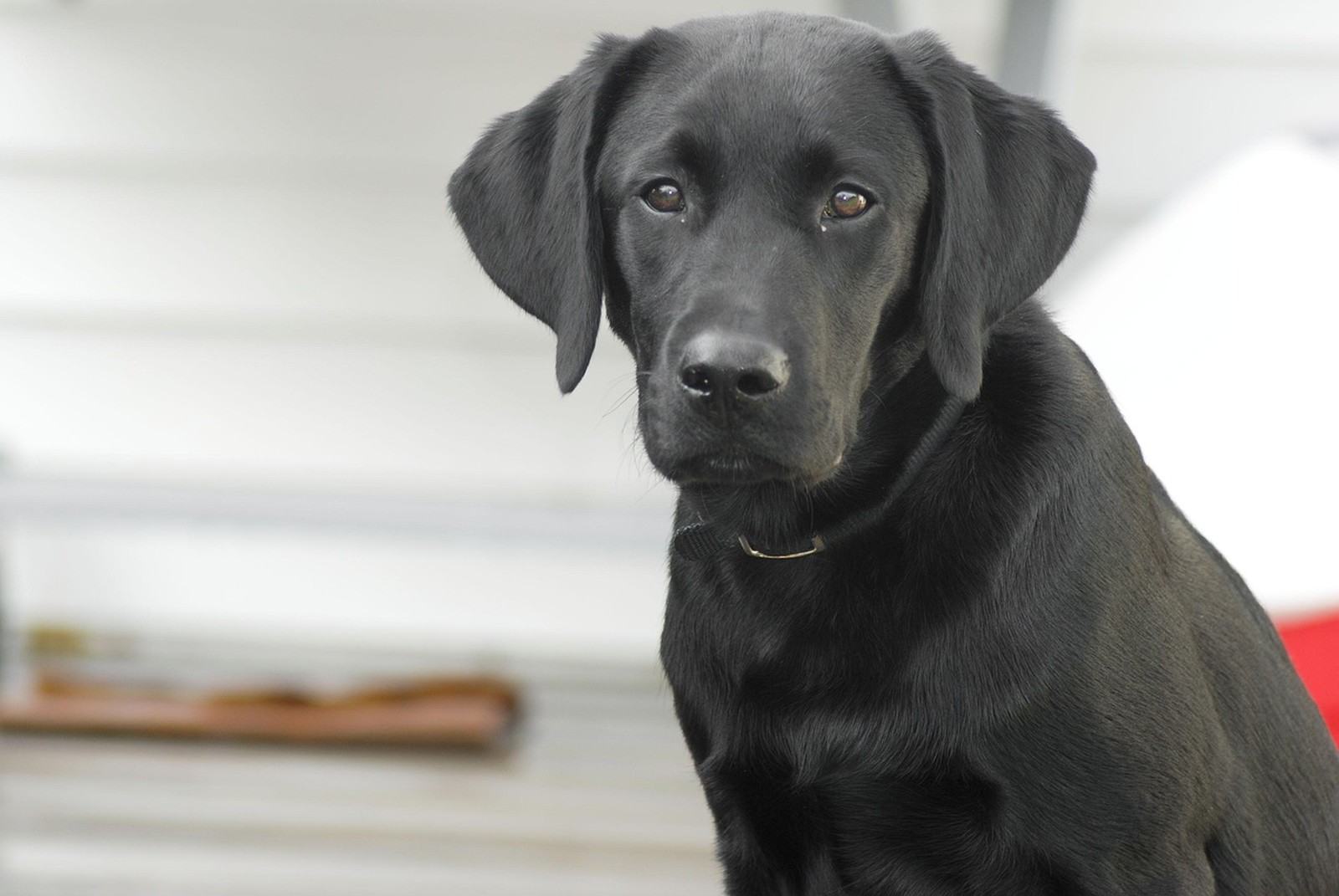
A Labrador Retriever sits in the moderate-to-high band of monthly dog costs, and almost every part of that traces back to the breed's defining traits: a big working frame, an enormous enthusiasm for food, and energy that expects a job. Labs are not delicate or high-maintenance in the grooming sense, which keeps some lines low, but they eat substantially, play hard, shed constantly and treat every puddle as an invitation. Owners who budget for the dog a Lab actually is, rather than the calm companion of adverts, rarely get surprised; owners who budget for the advert meet the real costs by month three.
Food, treats and the weight question
Food is the headline cost, and with Labradors it is a management project as much as a purchase. An adult Lab needs a ration sized for a large, active dog, but the breed is famously prone to gaining weight, helped by a genuine genetic quirk found in many Labs that keeps them feeling hungry. That means monthly spending includes measured meals, low-calorie training rewards in quantity, and chews chosen carefully, because unmeasured extras from several family members can double the treat budget and the dog's waistline together. Puzzle feeders and slow bowls are one-off buys that pay for themselves by making modest rations last, while a kitchen scale is the cheapest weight-control tool an owner will ever own.
Exercise, swimming and the ears that follow
A Labrador's exercise needs are a real monthly consideration: long daily walks, retrieving games and ideally swimming, which is this breed's ancestral joy. That lifestyle costs money in durable balls and dummies, leads that survive lunging enthusiasm, towels and car protection for wet dogs, and sometimes a walker or day care to cover working hours. The swimming habit brings its own follow-on cost, because Labs' floppy ears and love of water make ear care a routine line: drying, checking and the occasional vet visit for an ear that has turned sore and smelly. The short coat is the one bargain, needing brushing and baths rather than professional grooming.
Health spending across a Lab's year
Routine veterinary costs cover check-ups, vaccinations, parasite prevention and dental care at a large-dog weight band, and Lab owners do well to keep a buffer for the breed's familiar themes: hips and elbows that deserve monitoring in an active heavy dog, skin and ear flare-ups, and the consequences of eating things that were never food, a Labrador speciality that sends many owners to an out-of-hours vet at least once. Weight tracked at regular weigh-ins is the cheapest preventive spend in the whole budget, since a lean Lab loads its joints less and generally costs its owner less across a lifetime.
Records that make the monthly plan easier
Because so much Labrador budgeting is really health management — weight trends, ear episodes, vaccination dates, what was treated and when — keeping clean records turns guesswork into patterns an owner and vet can act on. A KinsLe Pet Passport gathers your Labrador's records into one portable packet, so every weigh-in, check-up and treatment is documented and ready for the next appointment.