
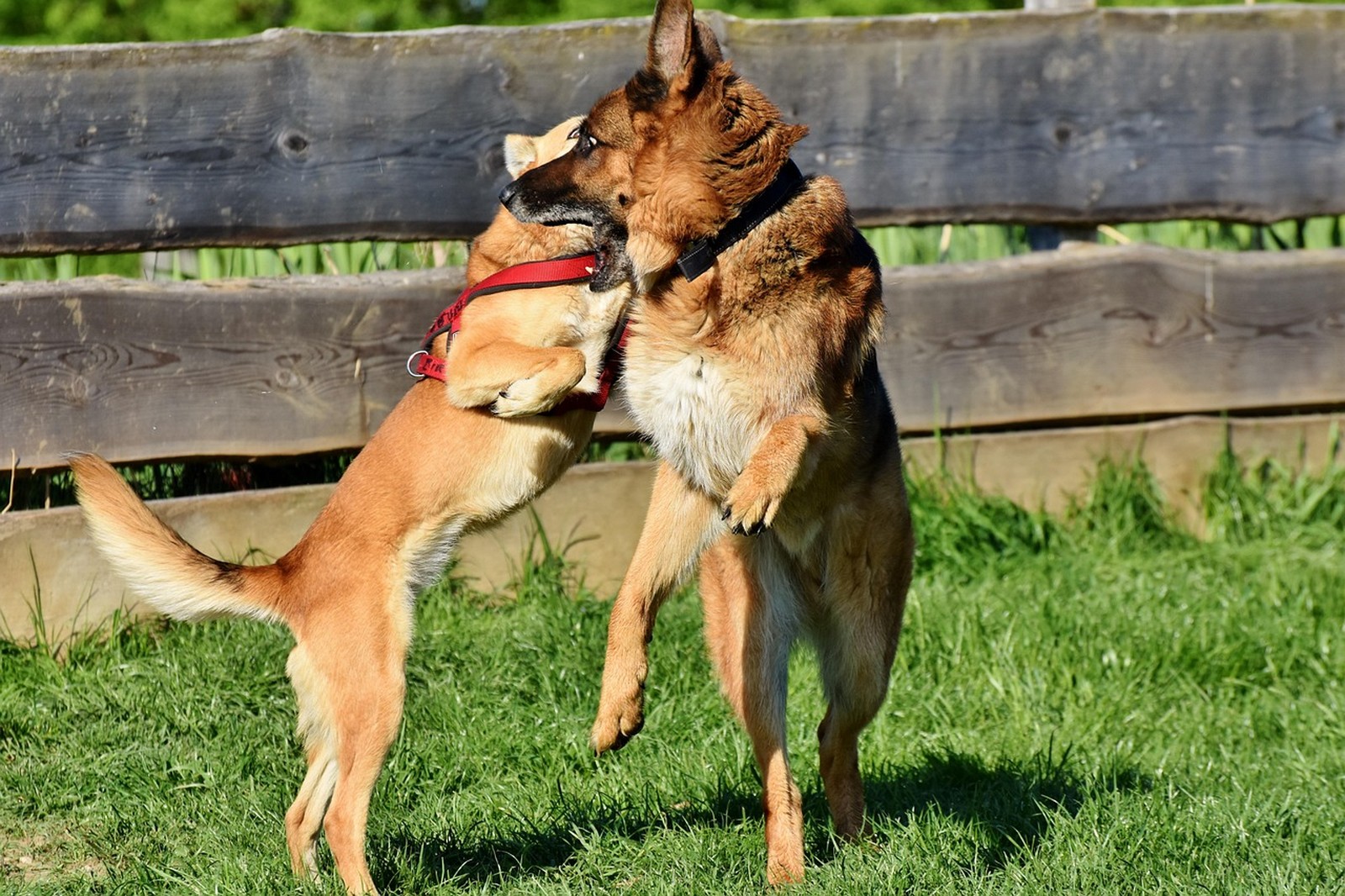
Plan on 90 minutes to 2 hours a day for a healthy adult German Shepherd. That figure surprises new owners, but this breed was built to work alongside people all day, and a Shepherd who is under-exercised rarely rests quietly: expect barking, pacing, digging, and redecorating. The total does not need to be one long expedition. Two substantial walks plus a training or play session usually lands better, because a Shepherd's mind tires alongside its muscles.
Physical Work Is Only Half the Job
A German Shepherd can walk for an hour and come home still wired if nothing asked it to think. Build in activities that use the breed's nose and problem-solving: scatter treats in grass for a search game, practise recalls and stays mid-walk, teach a new trick each week, or hide a favourite toy around the house. Twenty minutes of focused training can settle a Shepherd more than twenty extra minutes of pavement. Variety across the week also protects joints better than repeating one punishing route daily.
A Sample Day That Adds Up
A workable pattern is a 40-minute morning walk with some training woven in, a 15-minute midday play or scent game, and a 45-minute evening walk at a brisker pace. Weekends can carry a longer hike or a swim, which loads the muscles while sparing the hips and elbows this breed is known to strain. Watch the dog rather than the clock: a Shepherd who settles, sleeps soundly, and greets the next session keenly is getting the amount right.
Puppies and Seniors Need a Different Dial
Shepherd puppies have open growth plates and vulnerable hips, so keep structured exercise short and frequent rather than long; a commonly used guide is a few minutes of lead walking per month of age, a couple of times a day, with free play on soft ground making up the rest. Avoid repetitive stair climbing and jumping in the first year. Seniors, and any Shepherd showing stiffness after rest or reluctance to rise, should drop to shorter, flatter walks and see a vet, since this breed is prone to hip and joint problems that change what exercise is fair. Keeping a dog this demanding on schedule takes more than one person's memory, and KinsLe's Care Teams lets you assign the morning walk, midday game, and evening session to different family members, each marked done with a timestamp so nothing is skipped or doubled.