
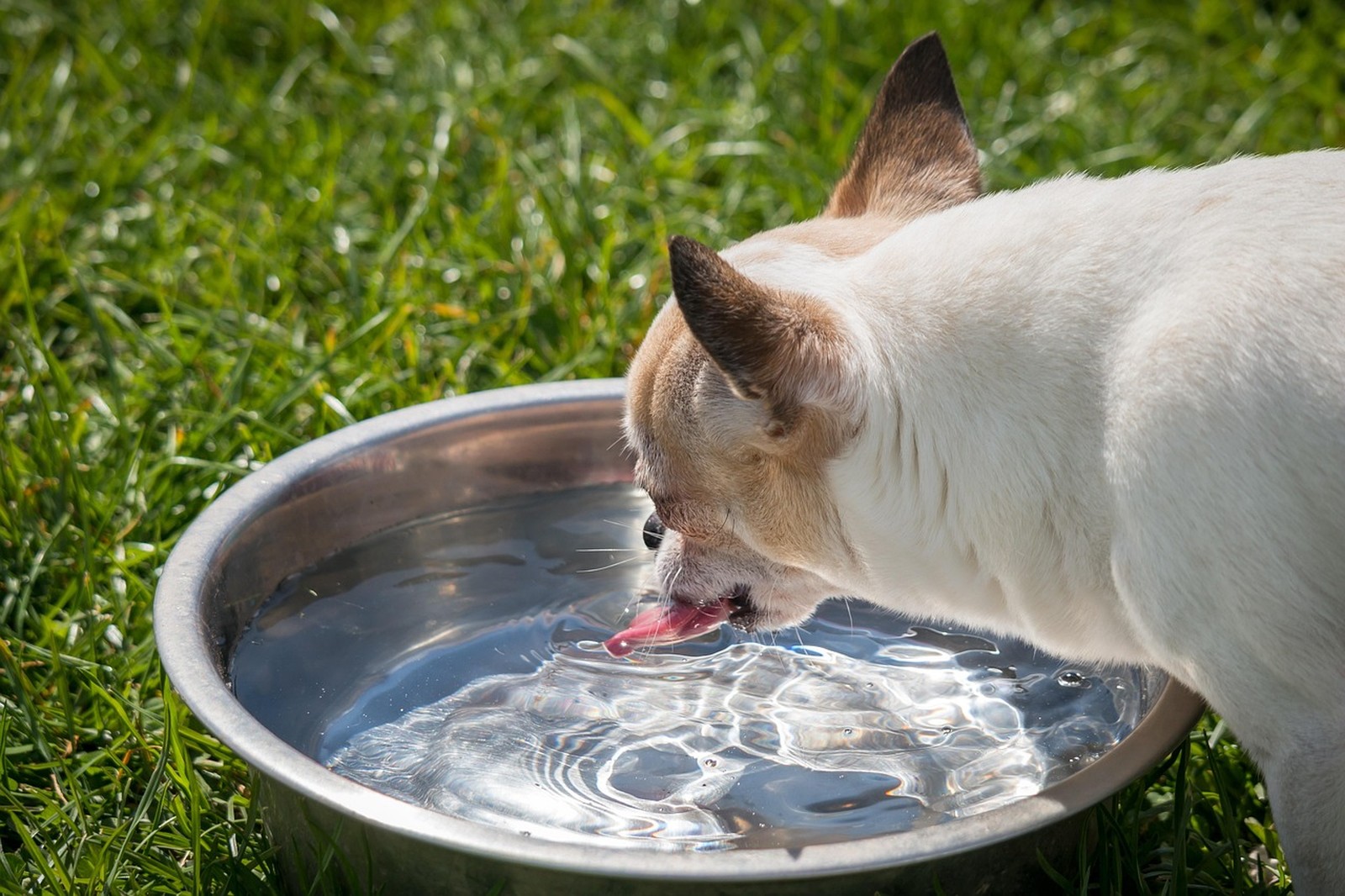
The everyday guide for bowl intake
A useful rule of thumb is roughly an ounce of water per pound of body weight over a full day. A small terrier might drink only a couple of cupfuls, while a large retriever can work through several large bowls. Few owners need to measure precisely; the value of the guide is spotting a dog who is suddenly drinking double his usual amount, or barely touching the bowl at all. Learn your own dog's normal pattern first — how often you refill, how full the bowl sits in the evening — because change from his baseline matters more than any chart.
Puppies drink little and often, and may seem to visit the bowl constantly while also needing to urinate soon afterwards. Senior dogs sometimes drink less because they move less, which makes quiet dehydration easier to miss in warm rooms.
Why intake rises and falls normally
Heat, exercise, and excitement all increase drinking, and a dog will sensibly tank up after a long walk or a game in summer sun. Dry kibble contains very little moisture, so kibble-fed dogs drink more at the bowl than dogs fed wet food, whose meals supply a large share of their daily water before they ever reach the dish. Salty chews, a stolen rich meal, or a day of panting in a warm car can also produce one thirsty evening without anything being wrong.
Nursing mothers drink substantially more while producing milk, and growing puppies take in water through both food and bowl. Judge any high day against what the day contained before worrying: a normal dog settles back to baseline once he has cooled, rested, and eaten his usual food.
Making sure water is there and drinkable
Offer clean water in a bowl big enough that it does not run dry between checks, and refresh it at least daily — stale water with dust, hair, and backwash puts many dogs off drinking their fill. Wash the bowl properly rather than just topping it up, because a slimy film builds quickly. Place extra water where an older dog spends the day if stairs now separate him from his usual bowl, and carry water on walks in hot weather instead of expecting him to wait until home.
If several dogs share, watch the shy drinker. A confident dog guarding or monopolising the bowl can leave a quieter housemate chronically short, which looks like low thirst but is really low access. Separate bowls in calm spots solve that without any training battle.
Drinking changes that deserve a vet call
Book a vet appointment if your dog is emptying bowls far faster than usual for more than a day or two without heat or exercise to explain it, especially alongside larger puddles of urine, weight loss, or a bigger appetite. The same applies in reverse: a dog who stops drinking, has dry sticky gums, sunken-looking eyes, or skin that stays tented when gently lifted needs prompt attention, as dehydration worsens quickly in puppies and seniors. Vomiting or diarrhoea with reduced drinking is another same-day conversation, since losses and low intake compound each other.
Note when the change started and roughly how many refills you are now doing, because that detail helps the vet far more than saying he seems thirsty. Keeping those refill duties visible at home is simple with KinsLe, where Care Teams assigns the morning and evening water checks for your dog and timestamps each one, so any sudden jump in refills is easy to spot and describe.