
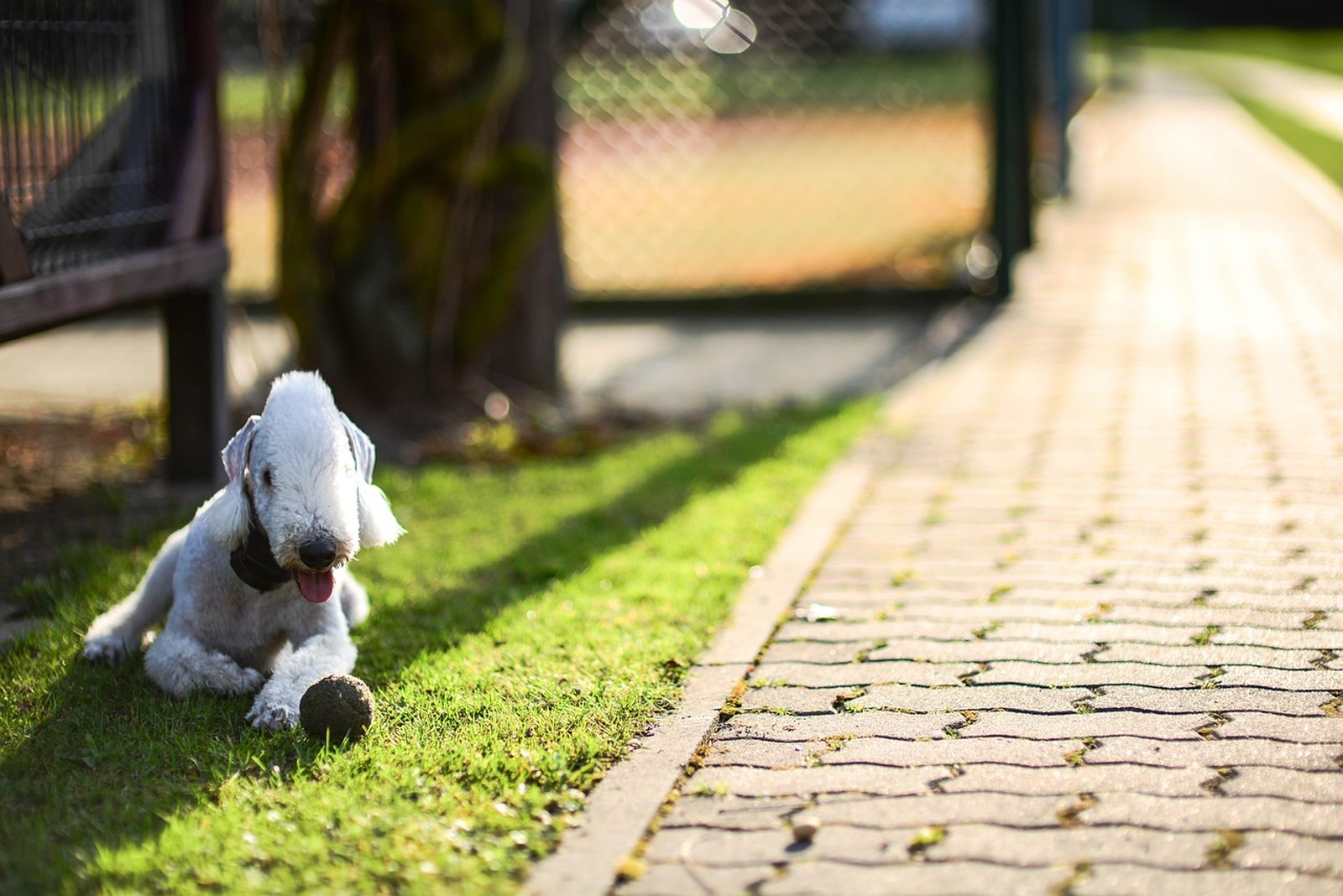
The coat problem a log solves for Bedlingtons
Yes — for a Bedlington Terrier, a weight and growth log is less a luxury than a correction for the breed's disguise. The pale, curly, lamb-like coat stands away from the body and keeps much the same silhouette whether the dog underneath is lean, ideal, or quietly losing condition. Owners who judge by eye alone routinely miss change until it is well advanced, especially between grooms when the coat is longest.
A monthly weight, paired with a deliberate hands-on check, removes the guesswork. Run your hands over the ribs, spine, and hips each weigh-in and write down what you actually feel: ribs easy to find under light cover, spine prominent, or ribs hard to locate. That single sentence beside the number is often more revealing than the number itself for this breed.
Building a Bedlington routine that works
Weigh monthly for adults and every two to three weeks for puppies, ideally on the same day you brush out and handle the coat thoroughly, since grooming is already a hands-on habit in this breed. Note whether the weigh-in falls just after a clip or at full coat — a fresh trim changes appearance dramatically but should barely change the scale, which is itself a useful reminder of how little the silhouette means.
Record appetite, water habits, energy on walks, and stool quality with the weight. Bedlingtons are generally moderate eaters and graceful, athletic little dogs under the fleece, so a dog who becomes picky, subdued, or noticeably thinner in the hand has given you a pattern worth acting on, not a single odd day to shrug off.
Why downward drift matters in this breed
Many owners log weight mainly to prevent gain, and Bedlingtons can certainly gain if treats outpace their moderate exercise. But in this breed, unexplained loss deserves particular respect and a prompt veterinary conversation, because changes in appetite and condition can be an early outward sign of an internal problem that needs testing rather than home feeding experiments. Do not simply add richer food and wait months to see. A log showing steady loss over two or three weigh-ins, especially with reduced appetite, increased thirst, vomiting, or low energy, is exactly the evidence to take to your veterinarian promptly.
The same applies in reverse during puppyhood. Bedlington puppies should gain steadily toward a compact adult frame. A puppy who stalls, feels bony through the coat, or lacks the breed's usual bright curiosity should be checked rather than compared hopefully to a sibling.
Grooming, growth, and the shared picture
Because Bedlingtons see a groomer regularly, align your records. Ask for the weight at grooming visits if the salon weighs dogs, note clip dates in the log, and compare rib feel at similar coat lengths. Over a year this produces a condition history that neither you nor the clinic could reconstruct from memory, and it separates genuine change from the optical swing between full fleece and fresh clip.
Share the log ahead of veterinary appointments so the trend, not just today's number, shapes the conversation. That matters most when the change is gradual — precisely the kind a curly coat conceals best and a written record catches first.
Keeping each weigh-in, groom date, and hands-on note together in KinsLe via Pet Passport turns scattered salon and home checks into one clear Bedlington condition record you can hand over whenever it is needed.