
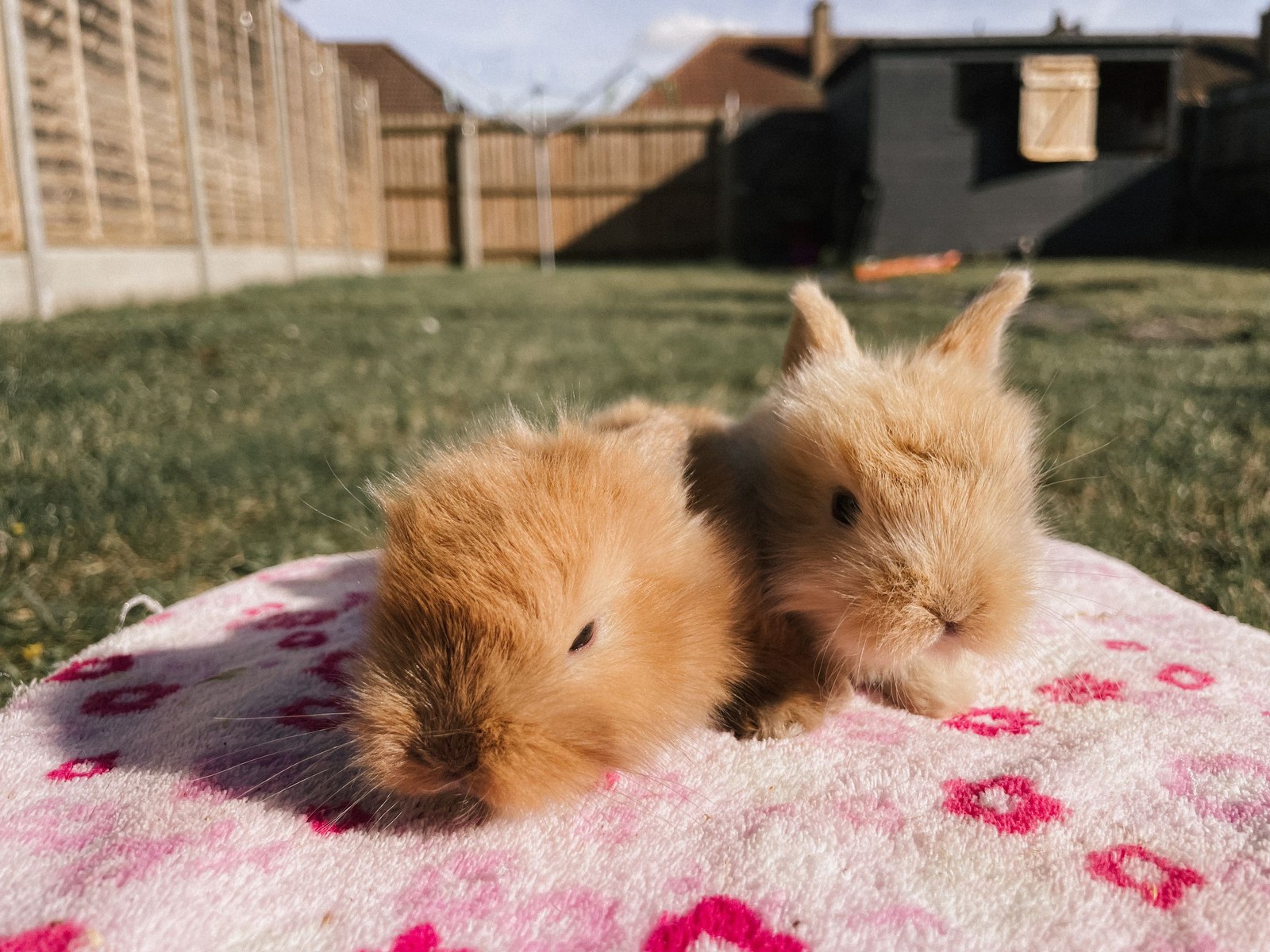
Yes — in most cases, plan on company. Guinea pigs are herd animals who generally do best in pairs or small groups, and rabbits are deeply social too, usually thriving with a bonded rabbit companion once both animals are neutered and introduced carefully. A suitable companion offers grooming, warmth, play, and round-the-clock comfort that even the most devoted person cannot provide while sleeping, working, or out of the house.
Why Companionship Matters So Much
In the wild, both species live in groups where company means safety. A lone prey animal is a watchful animal, and chronic watchfulness is stressful. Owners often notice a paired guinea pig eats more confidently, explores more, and vocalises more — the famous wheeking chorus is social behaviour. Bonded rabbits flop together, groom each other's ears and eyes (places they cannot reach well themselves), and settle faster after startling noises.
This is not about doubling your workload for fun. It is about meeting a basic behavioural need, the same category as hay and space. Some countries even treat keeping a single guinea pig as unacceptable for exactly this reason.
Choosing and Introducing a Guinea Pig Companion
Same-sex pairs or a neutered male with one or more females are the usual combinations; two males can work well given generous space and duplicate resources. Introductions should happen on neutral ground — a playpen neither pig owns — with piles of hay and veggies as distraction. Some sniffing, chasing, and rumbling is normal; fur flying or a latched-on fight means separate and try again more slowly. Quarantine and a vet check for the newcomer come first, always.
Provide two of everything at the start: bottles, bowls, hides with two exits, so nobody has to guard a resource to feel secure.
Bonding Rabbits Takes More Groundwork
Rabbits are territorial in a way guinea pigs usually are not. Both rabbits should be neutered and given several weeks for hormones to settle before introductions begin. Start with side-by-side housing so they can see and smell each other, swap litter trays and toys, then move to short supervised meetings in neutral territory. A successful bond can take days or months; rushing is the most common reason bonding fails.
And a firm rule: never house a rabbit and a guinea pig together as each other's companion. They communicate differently, eat differently, a rabbit's accidental kick can seriously injure a guinea pig, and rabbits can carry bacteria that make guinea pigs ill. Each species needs its own kind.
When a Pet Must Live Alone — For Now
Occasionally an older animal loses a partner, or health issues delay a bond. Then your job is enrichment and presence: more floor time near the family, tunnels and chew toys rotated often, and a prompt plan to find a compatible friend, ideally through a rescue that allows meet-and-greets or fostering-to-bond.
Keeping Two Pets Organised
Two animals means two weights, two appetites, and two vet histories that are easy to blur at 7 a.m. On KinsLe, each pet gets its own profile with a unique QR ID, so a bonded pair's feeding notes, weights, and vet records stay separate and tidy rather than merged into one confusing note. That separation matters when one pig is on medication or one rabbit is the one losing weight. That separate setup pays off away from home, too, because a finder who scans either animal's code lands on its page within KinsLe's Verified QR ID Pet Profiles and learns its name, its needs, and how to reach you.