
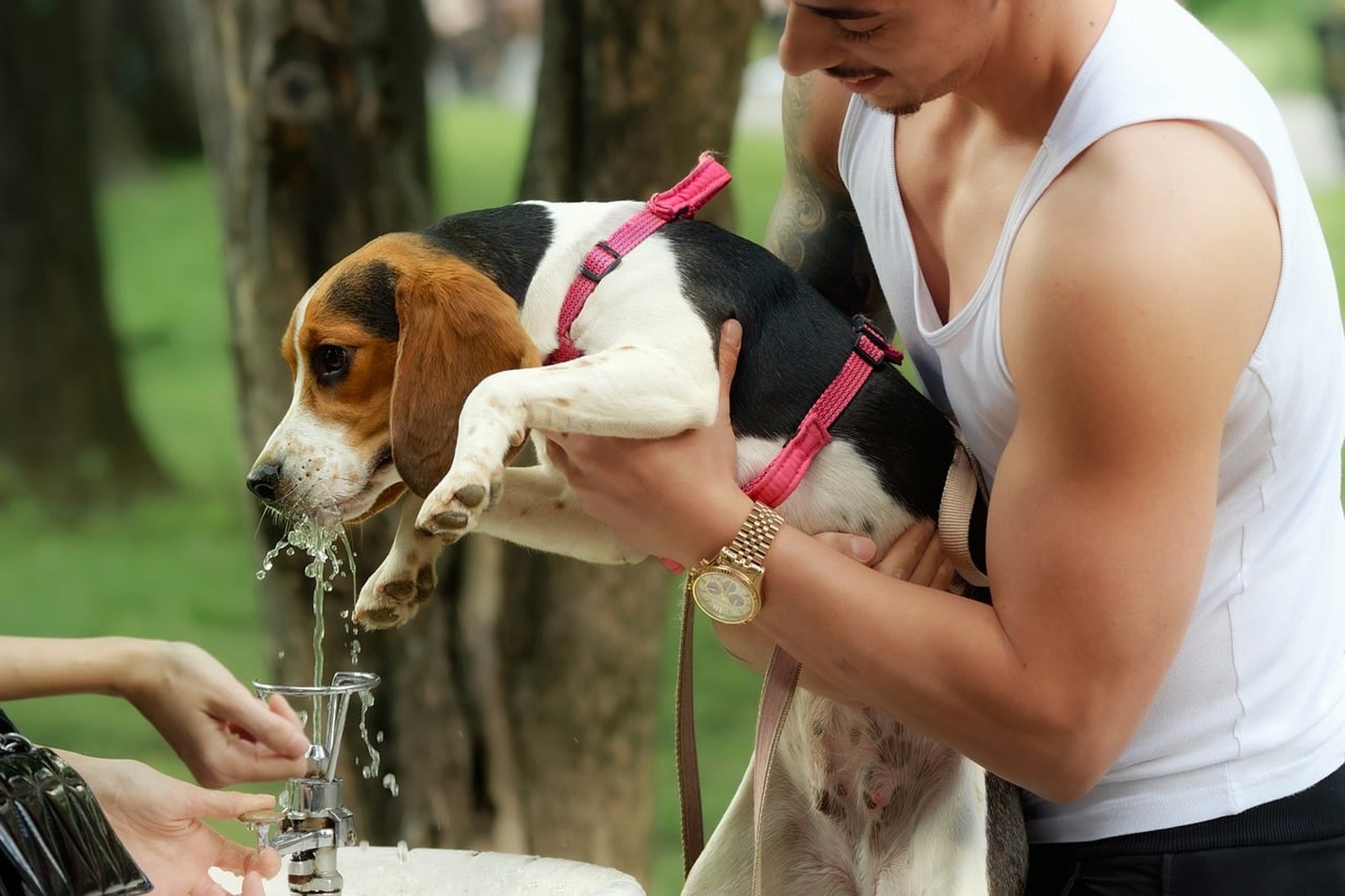
Free access is the right default
Healthy dogs are good at drinking what they need, when they need it. Water supports digestion, temperature control, joint health, and kidney function, and a dog's needs shift hour by hour with heat, exercise, and meals — far faster than any schedule an owner sets. Leaving clean water down permanently lets him match intake to need: a long drink after a run, a few laps after a salty chew, small sips through a warm night. Restricting access to set times forces him to tank up or go short, and neither serves him well.
Place the bowl somewhere he can always reach without asking, on a floor he is allowed on at night as well as during the day. A dog shut in a kitchen while his bowl sits in the utility room does not, in practice, have water available all the time.
The exceptions are narrow and temporary
There are sensible short-term exceptions. A vet will ask you to withhold water for a set period before an anaesthetic or certain tests, and those instructions override the general rule for exactly as long as stated. Some owners lift a young puppy's bowl for the last part of the evening during early housetraining to stretch his overnight bladder comfort — if you do this, keep it brief, keep daytime access unlimited, and stop once nights are reliably dry. A dog who gulps enormous volumes at once and makes himself sick may do better with smaller amounts offered very frequently while you and your vet work out why the gulping is happening.
What is never a good reason is convenience alone: withholding water to reduce toilet trips in an adult dog, or leaving a dog all day without a bowl, trades his welfare for a drier floor.
Quality and placement matter as much as presence
A bowl that is technically down but holds warm, hairy, day-old water is not real access — many dogs will drink the minimum from it and wait, quietly short, for fresh. Refresh the water at least daily, wash the bowl regularly to remove the slippery film that builds up, and use a bowl heavy or wide enough not to tip when a paw or nose knocks it. In multi-dog homes, more than one water station prevents a guardy dog from controlling access, and an older dog benefits from water near his bed if stairs or distance separate him from the main bowl at night.
Out of the house, the rule travels with you: offer water on long walks in warm weather, keep a filled bowl available at the office, kennel, or holiday cottage from the moment you arrive, and check that any sitter knows topping up is part of every visit, not an optional extra.
Watching intake without restricting it
Free access also makes drinking a useful health signal. You cannot notice a dog drinking twice his normal amount if you only ever offer fixed rations, so let the bowl teach you his baseline: how fast it empties on a cool rest day versus an active one. A lasting jump in intake, a dog hovering and draining the bowl repeatedly, or the opposite — untouched water and a dull, dry-mouthed dog — are all vet-worthy changes, and they are only visible because access was free.
Keeping that bowl reliably full in a busy household is a rota, not a hope, and KinsLe Care Teams handles it by assigning water refreshes across the day to whoever is home, each one timestamped so a missed check shows up before the bowl runs dry.