
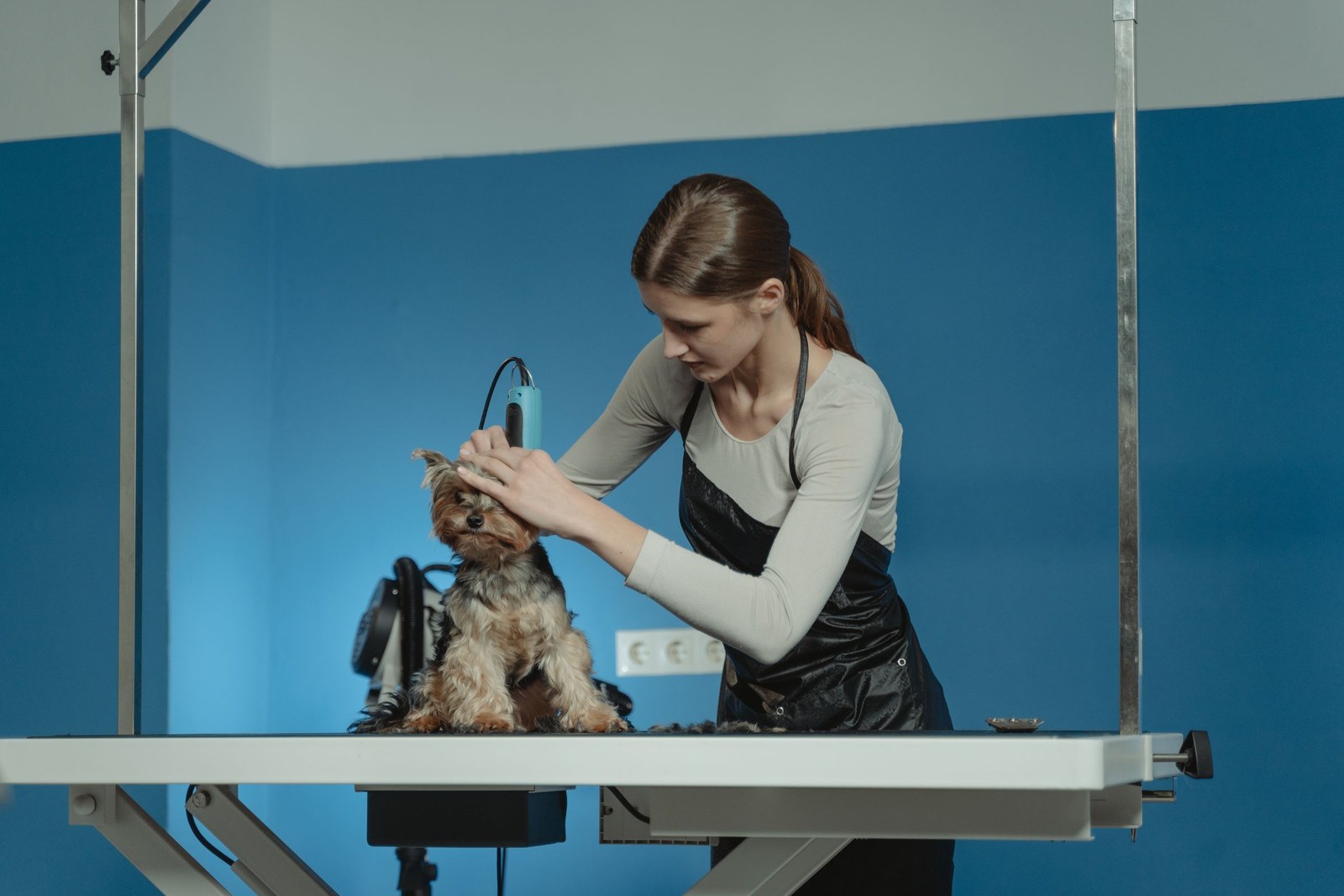
Anal glands are two small, grape-sized scent glands that sit just inside your dog's bottom, roughly at the four o'clock and eight o'clock positions. Each one holds a strong-smelling oily fluid that normally squeezes out a little every time your dog passes a firm stool, and that scent is part of how dogs identify each other — which explains the enthusiastic rear-end sniffing at the dog park. Groomers talk about them because a bath appointment is a natural moment to check whether the glands feel full.
What Those Glands Actually Do
Every stool presses on the glands as it passes, and that pressure is the emptying mechanism. The fluid is your dog's individual scent signature. When everything works, you will never think about these glands at all. Problems start when the fluid thickens, the stools are too soft to press effectively, or the gland's tiny opening gets blocked — then the glands fill up and stay full, which feels like an uncomfortable pressure that needs attention.
Why Groomers Check Them
Many groomers include an external check during the bath, gently feeling whether the glands seem full and, if they are trained in the technique, expressing them externally with light pressure from outside. It is a sensible add-on because the groomer is already handling and washing that area, and a dog who leaves with comfortably empty glands is a happier dog. Small breeds — Chihuahuas, Toy Poodles, Dachshunds, and Beagles are frequent examples — seem to need help more often than large dogs, partly because their glands and ducts are smaller. Overweight dogs and dogs with chronic soft stools are also more likely to need expressing, since soft stool does not press the glands empty.
Expressing Them Is a Trained Skill, Not a DIY Job
It is tempting to search for a how-to video and handle it yourself, but this is one task to leave to a groomer or veterinary professional who knows the technique. Squeezing in the wrong place or with too much force can bruise delicate tissue, cause real pain, or rupture a gland. Internal expression — the more complete method — is a veterinary procedure done with a gloved finger, and it is the right choice when glands are very full, infected, or impacted. If a groomer tells you your dog's glands felt abnormal, gritty, or painful, take that seriously and book a vet check rather than just re-booking another bath.
Signs the Glands Need Attention
- Scooting or dragging the bottom along the floor or grass
- Licking or chewing under the tail more than usual
- A strong fishy smell that a bath does not fix
- Swelling, redness, or tenderness on one side of the bottom
- Suddenly snapping or flinching when touched near the tail
Any swelling or pain deserves a prompt veterinary visit, because an abscessed gland is genuinely painful and will not resolve with a groom alone.
Making Gland Checks Part of Routine Care With KinsLe
The easiest approach is to fold gland checks into the grooming schedule your dog already has, so nothing depends on you remembering a separate task. KinsLe's Pet Services Directory helps you find a local groomer who can check the glands as part of a regular groom, and you can ask at booking whether they express externally and refer to a vet when something feels off — a good groomer will answer that question gladly. Regular checks keep a minor nuisance from becoming a painful problem. For gland checks handled during routine appointments by a trained groomer, or veterinary attention when something feels abnormal, consult the Pet Services Directory on KinsLe.