
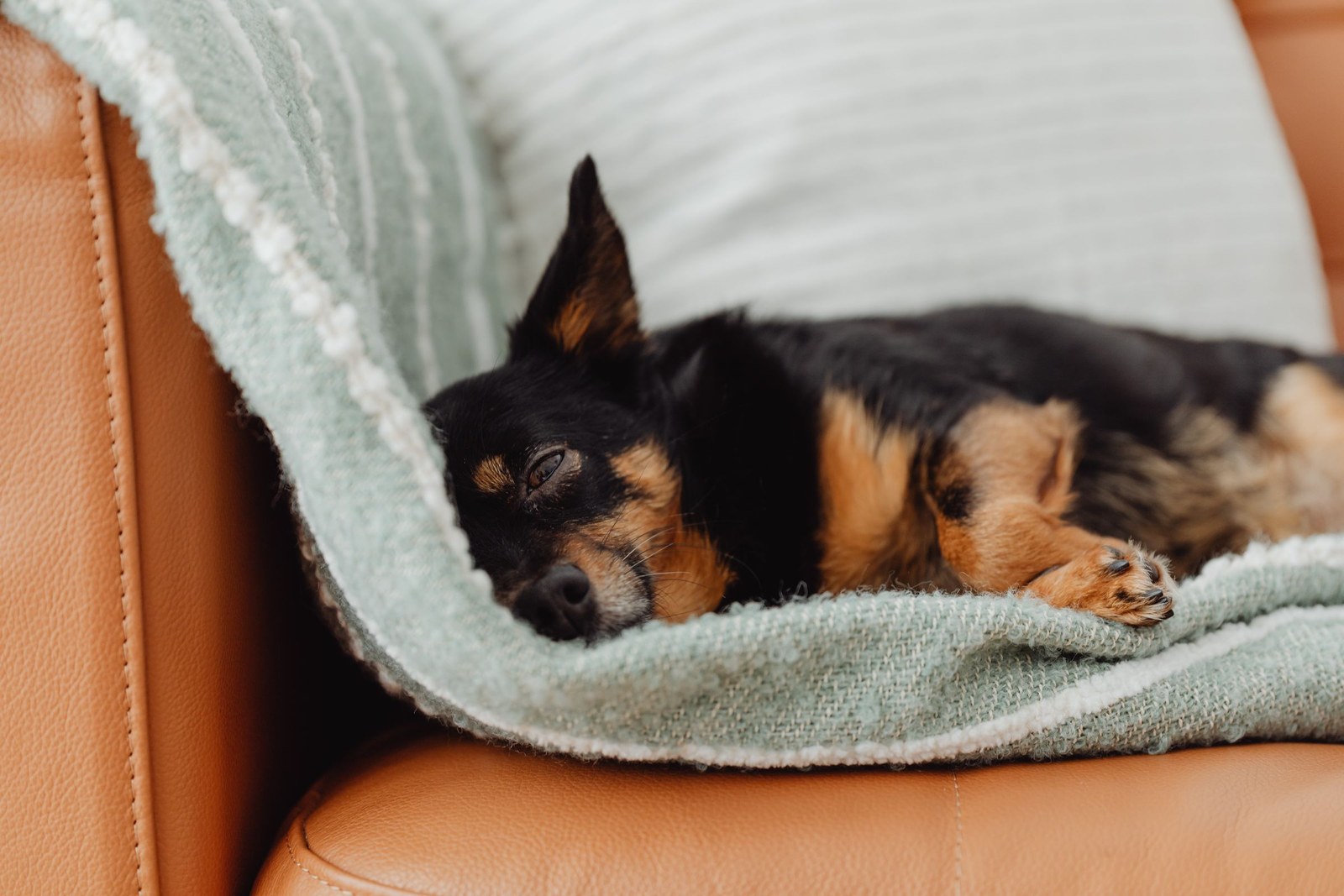
Senior dogs are one of rescue's best-kept secrets: they tend to arrive calmer, often already housetrained, and — perhaps the biggest benefit — with a personality you can actually see before you commit. Add the quiet reward of giving an overlooked dog a comfortable, loved final chapter, and adopting a senior is less a compromise than a genuinely smart match for many homes.
What you see is what you get
With a puppy, you are guessing: adult size, energy level, coat, and temperament are all partly mysteries, and a breed guess may not survive adolescence. With a senior dog, the dog in front of you is the dog you are adopting. Shelter and foster staff can tell you whether this dog is a couch companion, a gentle stroller, a cat-chaser, or a professional napper. That honesty makes matching far more reliable — a quiet household gets a quiet dog, not a puppy who grows into a marathon partner nobody wanted.
Past the puppy chaos
Senior dogs have typically left the land-shark stage behind. No 2 a.m. toilet trips in the rain, no teething on the table legs, no relentless mouthing of every hand that passes. Many seniors are already housetrained or need only a short refresher on a new routine, and most know basic house manners from a previous life. Their energy is real but measured: a couple of pleasant walks and some sniffing in the yard satisfy most older dogs, after which they are content to supervise from a soft bed. For first-time owners, busy professionals, and older adopters, that lower intensity is often exactly right.
A shorter road to a deep bond
There is a particular quality to the gratitude people describe from senior rescues — while we cannot know exactly what a dog understands, seniors often settle into affection quickly once they feel safe, as if they recognize a second chance. The companionship is immediate and undemanding: a dog who wants to be near you, at your pace. For many adopters, a senior's slower rhythm also improves the human's life — regular gentle walks, quieter evenings, a reason to keep a comforting daily routine.
Honest considerations
Adopting a senior is not cost-free, and pretending otherwise helps no one. Older dogs may need more frequent vet visits, joint-friendly home adjustments like ramps or rugs on slippery floors, and a budget for the realities of an aging body. Your time together will likely be shorter than with a puppy. Most senior adopters say the trade is worth it — but go in with eyes open, ask the rescue about known health issues, and plan a first vet visit early.
Giving your senior a proper identity
A senior dog arriving in a new neighborhood is exactly the dog who benefits from clear identification if they ever wander. Your new senior's Pet Pass in KinsLe serves as their verified ID card, tied to their profile as they settle into your home. If they ever wander, KinsLe's Pet Pass identifies them at a clinic or shelter and names you as their keeper.