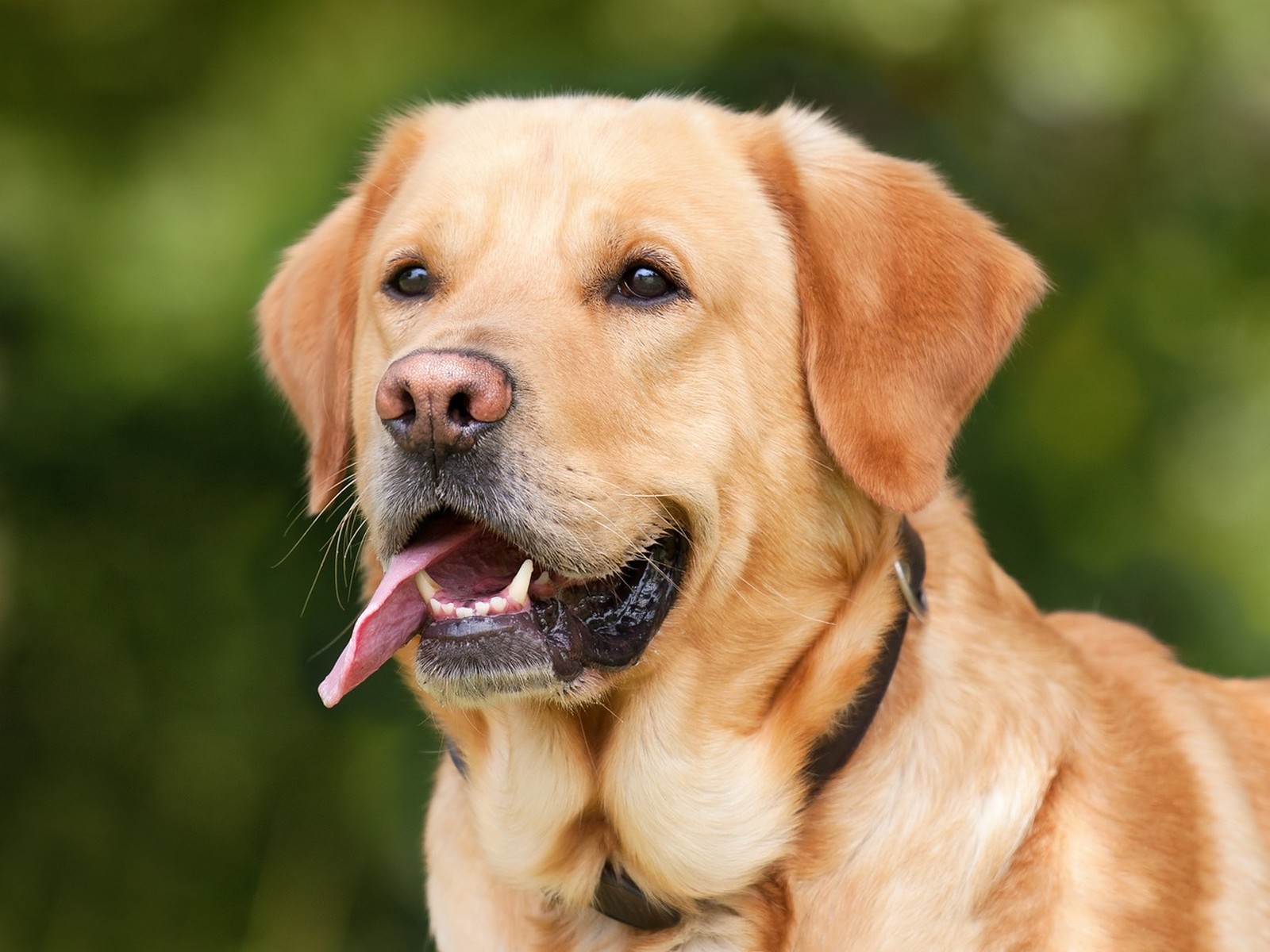
A Labrador's medical list is led by joints and appetite. Hip and elbow dysplasia come first, then obesity — with many Labs carrying a gene variant that dulls fullness signals and keeps them famously food-focused — plus exercise-induced collapse in young adults during intense exertion, progressive retinal atrophy blinding slowly from the retina outward, and ear infections in floppy, swim-loving ears. Bloat happens, though less often than in deeper-chested breeds. Managing a Labrador is, above all, managing weight and joints together.
The Labrador Weight Equation
Because so many Labradors are genetically driven to eat, 'he still seems hungry' is not a feeding guide — measured meals, counted treats, and a monthly weight and condition check are. You should feel ribs under a thin fat cover; if you cannot, the food comes down before the joints pay for it. Collapse episodes in a young Lab during intense exercise or excitement — wobbly back legs recovering after ten to thirty minutes of rest — point to exercise-induced collapse and deserve a vet conversation and a DNA test, plus a permanent change to exercise style. Check and dry ears after swimming, and raise any night-vision loss (bumping into things in dim light) promptly, as that is the early retinal atrophy pattern.
Working With Your Vet
Labrador vet visits run on honest numbers: bring a run of monthly weights rather than an impression, because 'still seems hungry' in this breed says nothing about need. Describe any collapse episode precisely — what the dog was doing, how the back legs went, how long recovery took — since that account guides your veterinarian toward an exercise-induced collapse test and a permanent change in exercise style. Add ear flare dates after swimming and any bumping into things at dusk, the early retinal pattern.
Collapse, a painful swollen joint, head-shaking with ear smell, or sudden vision change in a Labrador should all be seen by a vet promptly.
Keep the Labrador file built around the weight equation: measured meals and counted treats noted beside each weigh-in, joint stiffness after rest recorded with its date, and ear checks logged after swims. Review the sequence after growth spurts, neutering or a change of food, because each shifts what a healthy weight looks like. Your vet can then judge joints, eyes and appetite from a documented trend instead of a single weigh-day figure.
Track weigh-ins and episode notes in the Pet Passport on KinsLe, and your Labrador's vet reads appetite and joints as one story instead of separate guesses.