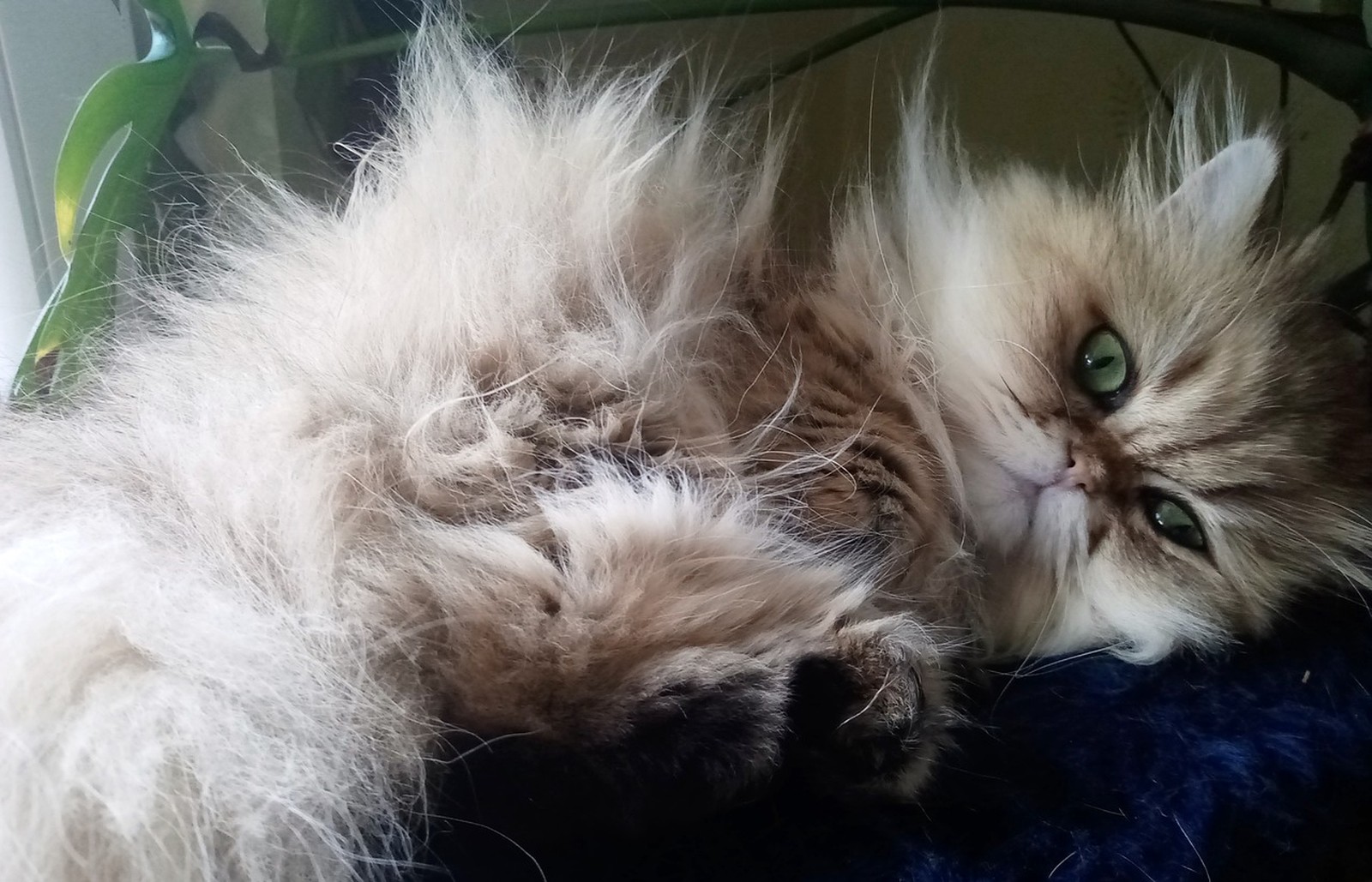
Two stories shape Persian health: an inherited kidney condition that breeder testing can largely prevent, and the consequences of a very flat face. Polycystic kidney disease puts slowly growing cysts into the kidneys, and sometimes the liver, and breeding cats are DNA-tested for it as standard practice. The flat face narrows airways and crowds the teeth, while shallow sockets let tears overflow instead of draining, wetting the folded skin below. Persians are a breed where daily owner care — eyes, face, coat — is genuinely medical, not cosmetic.
Daily Care Is Persian Preventive Medicine
Wipe the face and eye folds gently every day and keep the hair around the eyes clean and dry, because chronic tear wetness breeds skin infection in the folds. Kidney monitoring is the long game: weigh monthly, watch water intake and appetite, and screen seniors with blood, urine, and blood-pressure checks so PKD's gradual decline is caught on paper before it is visible in the cat. Breathing in a Persian should be quiet at rest; noisy, effortful breathing, overheating, or blue gums are emergencies, and hot weather is a genuine risk to a flat-faced cat. Ask any breeder for PKD DNA results for both parents — a kitten from two negative parents cannot inherit the classic form, which is the single biggest health gift a Persian can be given.
Working With Your Vet
For a Persian, bring the breed list with you: tell the vet when tear staining worsened, when breathing sounded noisier after play, or when water intake crept up, and let the examination and tests sort out which system is involved. A short video of noisy breathing at home, plus dated weights and notes on appetite, gives the clinic far more to work with than a general worry that she seems off.
Noisy or laboured breathing, a non-healing eye, or increased thirst with weight loss in a Persian needs a vet promptly — breathing distress is an emergency.
Track the Persian measures that actually move: monthly weight, how much she drinks, whether the face folds stay dry between wipes, and any change in breathing noise at rest. Write each one down with its date, because PKD and dental pain both advance quietly, and a dated run of small changes is what prompts timely blood work or a closer mouth check. Revisit those notes after any house move, new pet or new medicine, since stress and treatment both shift a Persian's baseline.
For a Persian, that packet matters at every visit: the Pet Passport in KinsLe holds her PKD result, kidney values and face-care notes in one place for whichever vet sees her next.