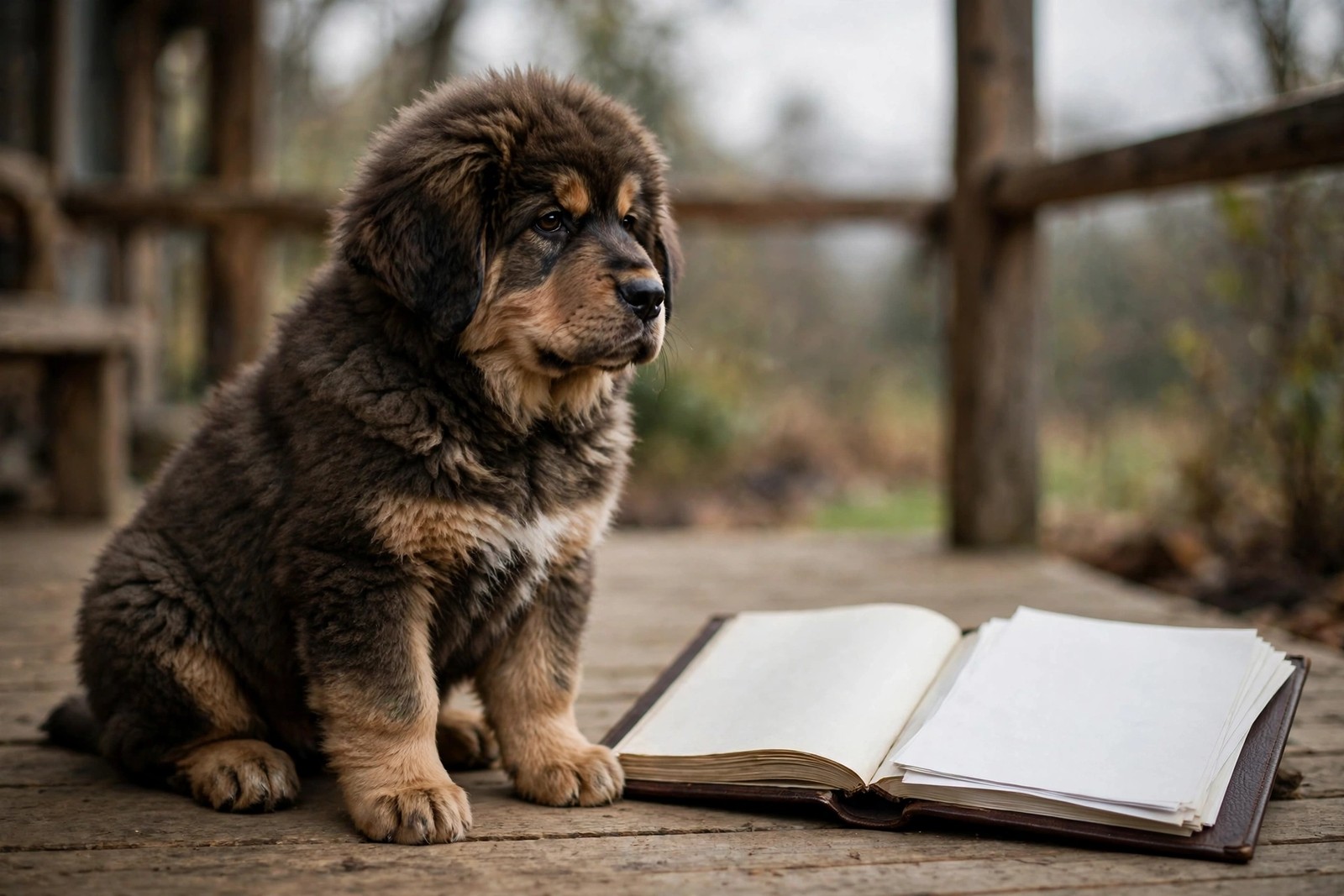
A Tibetan Mastiff puppy should come with paperwork as substantial as the dog itself will become. This is a primitive guardian breed that grows into a very large, independent, territorial adult, so the records serve two purposes at once: they document the parents' health screening, and they give you the breeder's written account of temperament and early rearing that you will rely on when a cute puppy becomes a powerful adolescent. Thin paperwork is a bigger warning sign here than in an easygoing companion breed.
Lineage, registration, and a serious purchase contract
Request litter registration, the individual registration application, and a lineage of at least three generations, checking that names, colors, and microchip details agree across documents. The contract for a Tibetan Mastiff should be unusually explicit: health guarantee terms, a lifetime return-to-breeder clause, guidance on if and when breeding is permitted, and the breeder's commitment to advise you through the dog's slow maturation, which can take several years. Ask for written temperament notes on both parents, including how they behave with visitors at home, because guardian behavior is the trait you will live with most. If the breeder will not put return terms in writing for a breed that is genuinely difficult to rehome, treat that as important information before you sign anything.
Joint, thyroid, and eye screening for the parents
Expect hip and elbow evaluation results for both parents, since a dog carrying this much weight on unsound joints faces real welfare problems, and keep the original certificates rather than a breeder's summary. Ask for thyroid testing results for both parents, as hypothyroidism is a recognized concern in the breed, and note the date of testing because thyroid status can change with age. Recent eye examinations matter too, including attention to eyelid conformation problems such as entropion that large, heavy-headed breeds can carry. You may also hear discussion of an inherited nerve condition reported historically in the breed; ask what the breeder knows about it in these lines and record the answer. Your veterinarian will build the puppy's monitoring plan from these parent results, so completeness now saves repeat testing later.
The puppy's early records and socialization notes
Your puppy's file should include dated vaccinations, deworming treatments, a pre-placement veterinary check, microchip paperwork for transfer, and feeding guidance appropriate to a giant breed puppy whose growth must stay slow and steady. Just as important for this breed, ask for a written socialization log: what people, sounds, surfaces, and handling the litter has experienced in its first weeks. Tibetan Mastiffs form strong early impressions, and knowing exactly what your puppy has and has not yet encountered shapes your first months of careful introductions at home. Weight records from the litter period help your veterinarian track growth without pushing a large frame faster than its joints can support. Collect all of it before you leave, with any pending laboratory result noted in the contract.
Keeping guardian-breed records accessible
Store the lineage, joint certificates, thyroid results, and contract together and keep the microchip registration current whenever your details change, because a dog of this size found wandering needs identification that works immediately. Add each annual health result to the same file so a new veterinarian sees the full picture rather than fragments. The contract's return clause only helps if you can find it years later, so keep it with the health file rather than in household paperwork. Photographing the originals guards against loss. Gathering the Mastiff's lineage and screening history in KinsLe through Pet Passport puts that complete record packet in one place for vet visits, boarding assessments, and emergencies.