
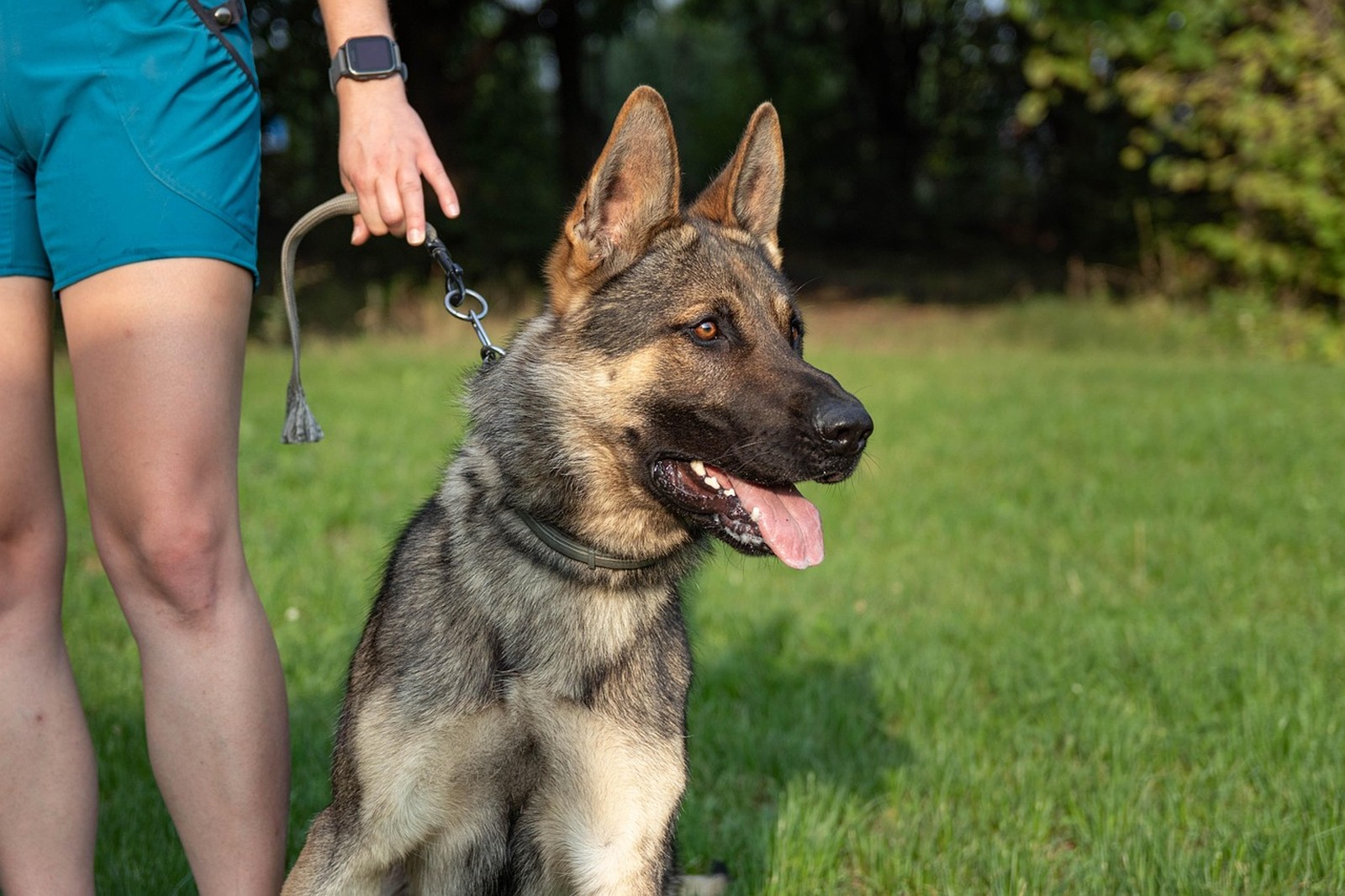
Why qualifications matter in an unregulated field
In most places, anyone can print a card and call themselves a dog trainer tomorrow, because the title itself is not legally protected. That is exactly why credentials matter: they are the evidence that someone's knowledge has been tested by a body other than themselves. Years of experience are valuable, but experience alone can mean years of repeating outdated methods confidently, and a dog pays the price for the difference.
Think of it in two tiers. A trainer teaches skills and manners: recall, loose-lead walking, settling, puppy foundations. A behaviourist works on emotional problems such as fear, reactivity, and aggression, where a wrong approach can make a dog genuinely dangerous. The more serious the problem, the more formal the qualification behind the person you hire should be.
What to look for in a trainer's credentials
A solid trainer holds a certification from an established professional organisation that requires a written or practical assessment, a code of ethics, and ongoing education to stay certified. Membership of a recognised professional body with a public directory is another good sign, because it gives you somewhere to verify the claim rather than taking a logo on a website at face value. Ask directly what the certification involved and when they last studied; good trainers answer proudly and in detail.
Watch a class or a session before committing if you can. You should see food, toys, and praise doing the work, handlers being coached kindly as well as dogs, and a trainer who explains the why behind each exercise. Ask how they handle a dog who gets something wrong. The answer should involve making the task easier or changing the setup, never adding something the dog fears.
The higher bar for behaviourists
For behaviour work, look for degree-level study in animal behaviour or a closely related field, and ideally a formal clinical accreditation or veterinary behaviour qualification on top of it. The strongest practitioners work alongside veterinarians, because behaviour cases often have a medical component, and many will only take aggression or severe anxiety cases with a vet referral in place. That insistence is a mark of professionalism, not bureaucracy.
A qualified behaviourist's first session should look like detective work: a long history, questions about health, routine, and triggers, observation of your dog, and a written plan built gradually. Be wary of anyone who diagnoses your dog's whole problem from a short video, promises a transformed dog in a set number of sessions, or reaches immediately for tools designed to suppress behaviour rather than change how the dog feels.
Red flags that outweigh any certificate
Some warning signs disqualify a professional regardless of credentials. Guarantees of results, because no honest practitioner can promise how an individual dog will respond. Reliance on pain, fear, or intimidation as a method, including equipment marketed as harmless that works by startling or hurting. Refusal to let you observe sessions, secrecy about methods, and pressure to hand your dog over for training you cannot watch.
Also be cautious with purely self-awarded titles, impressive-sounding academies that turn out to be the trainer's own business, and social media followings offered as proof of competence. Popularity measures entertainment value. Your dog needs the other kind. Trust the professional who talks about limits, timelines in months rather than days, and what they will do if their plan is not working.
Gathering names is the easy part; comparing them calmly is where owners stall. KinsLe's Pet Services Directory lets you find local trainers, behaviourists, and other pet services in one place and connect with them directly, so you can ask each candidate the same credential questions and choose on answers rather than adverts.