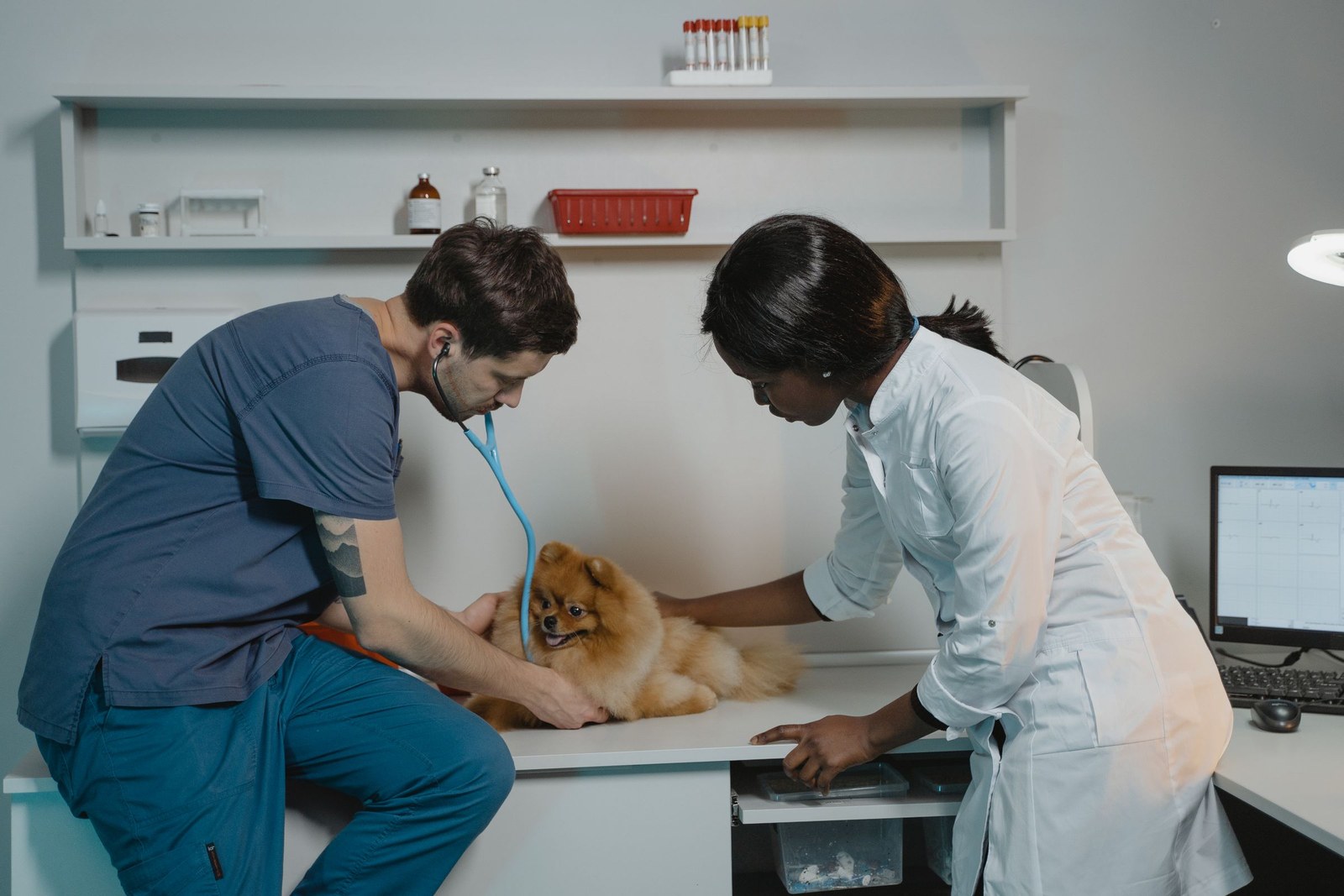
At the first vet visit for an adopted senior dog, bring every record you have — shelter paperwork, prior vet history, vaccination dates, microchip number — and focus your questions on four areas: dental health, joints and mobility, weight, and a baseline health check appropriate to the dog's age and history. Come with a written list of anything you have noticed at home, and leave knowing which changes should bring you back sooner.
What to bring and what to ask for
Rescues pass along whatever records exist, but senior dogs often arrive with gaps: an unknown vaccine history, a stray notation about a limp, no dental information at all. Hand the clinic everything anyway — fragments help a vet spot what is missing. Then ask what baseline work makes sense for this individual dog. Depending on age, history, and the physical exam, a veterinarian may suggest bloodwork, a urinalysis, or other screening to establish a starting picture of organ function and general health. You are not obliged to do everything on day one; ask what is urgent, what is routine, and what can be scheduled.
Teeth, joints, and weight: the senior big three
Dental health. Dental disease is extremely common in older dogs and is easy to underestimate because dogs keep eating through discomfort. Ask the vet to show you what they see — tartar, gum inflammation, loose or broken teeth — and what they recommend, from home brushing to a professional cleaning.
Joints and mobility. Watch how your dog rises, climbs stairs, and handles walks, and report it honestly. Ask whether what you are seeing fits normal aging, what kind of exercise is appropriate, and how to make home life easier — rugs on slick floors, a ramp for the car, a supportive bed.
Weight. Both directions matter. An overweight senior carries extra strain on aging joints, while unexplained weight loss in an older dog is a symptom worth investigating rather than celebrating. Ask for a target weight range and a feeding plan to reach it.
Bring your home observations
You have lived with this dog for days or weeks; the vet sees them for twenty minutes. Your list bridges that gap: appetite and water intake, sleep patterns, stiffness after rest, coughing, changes in toileting, new lumps, bad breath, or behavior shifts. Write it down before the visit — everyone forgets half their questions in the exam room — and note when you first noticed each item.
Know your "come back sooner" list
Before you leave, ask directly: what changes should prompt a sooner return visit? Typical answers include not eating, marked increase in drinking or urination, vomiting or diarrhea that persists, difficulty breathing, sudden weakness, or a rapid behavior change — but get your own vet's version for your dog, and ask how they prefer to be contacted. This visit is general guidance, not a diagnosis; only the veterinarian examining your dog can assess their individual health.
Keep every record in one shareable packet
Senior care generates paperwork fast — visit summaries, vaccine updates, medication lists, follow-up schedules. KinsLe's Pet Passport keeps all of those records, vaccines, and documents in one packet you can share with the vet at every visit, so nothing depends on your memory or a lost folder. Pet Passport on KinsLe gathers the vaccine entries, visit summary, and medication list from this appointment into one packet the clinic can read at the next visit.