
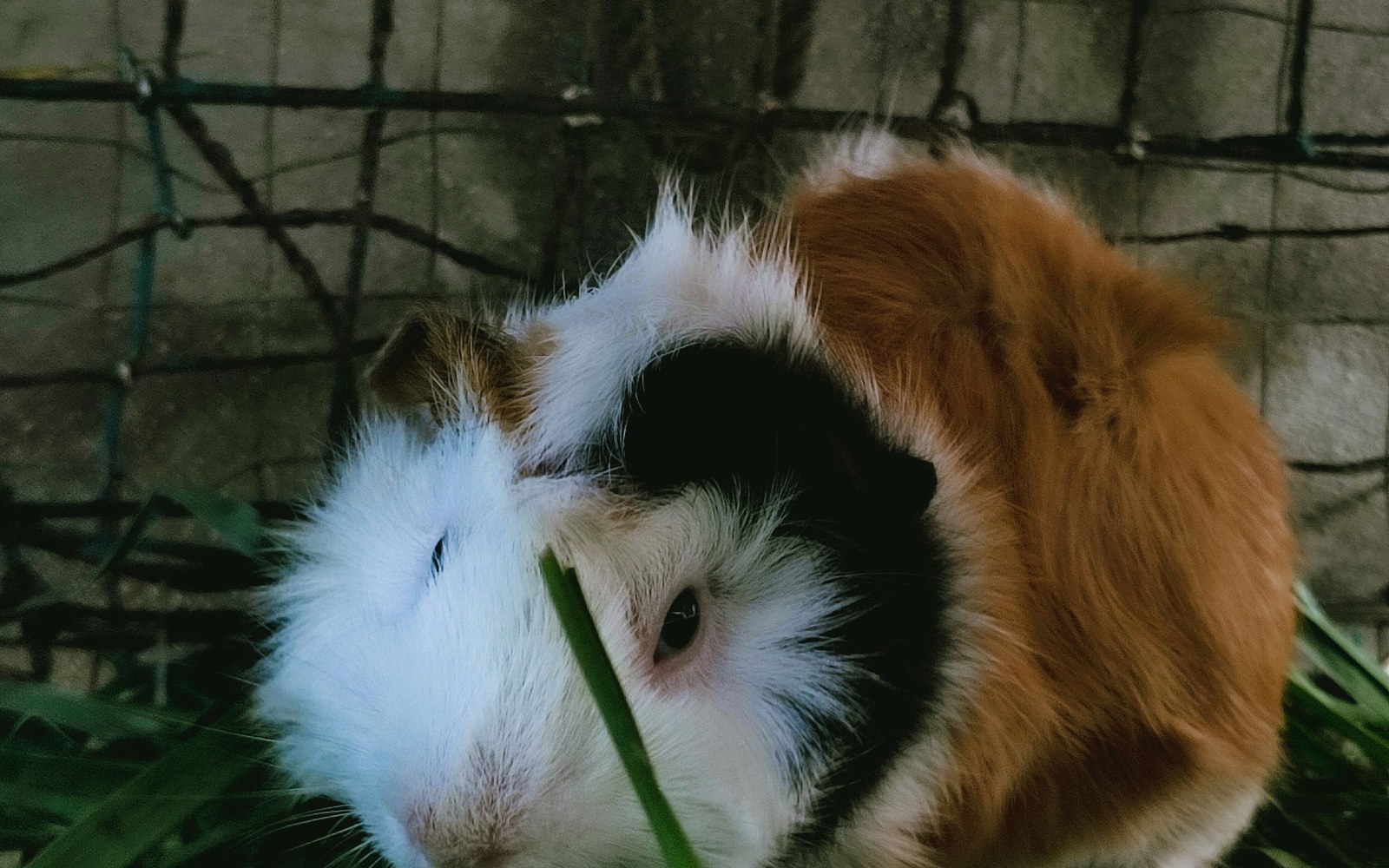
Bell peppers are the standout answer: red and yellow peppers especially are rich in vitamin C and safe for most guinea pigs to eat daily, seeds and core removed. Small amounts of broccoli, kale, and parsley round out the supply, and a rotating cup of mixed vegetables per pig each day covers the vitamin C need for most healthy guinea pigs.
Why peppers earn the top spot
Guinea pigs cannot make their own vitamin C, so it has to arrive in food every single day. Peppers deliver a generous amount in a form pigs genuinely enjoy, without the sugar load of fruit or the calcium questions that come with leaning too heavily on dark leafy greens. Green peppers contain somewhat less vitamin C than ripe red and yellow ones, but all colors are useful, and many owners rotate colors across the week. Cut peppers into strips or chunks your pig can manage, and expect the first offering to be sniffed suspiciously — guinea pigs are cautious with new foods.
The supporting cast
Broccoli offers vitamin C too, but it can cause gas in some pigs, so keep portions small and occasional rather than daily and heaping. Kale is nutrient-dense and well liked, though its calcium content means modest, rotated portions suit most pigs better than a daily mountain. Parsley is another useful source in sprig-sized amounts. Beyond those, everyday vegetables like cucumber, zucchini, and romaine add hydration and variety even if their vitamin C contribution is smaller. Aim for roughly a cup of mixed vegetables per pig per day, built mostly from the stronger vitamin C sources.
Building the habit in cautious pigs
A guinea pig that refuses a new vegetable is not being stubborn — prey animals survive by being suspicious. Offer the same new item in small pieces for several days in a row, place it alongside familiar favorites, and try hand-feeding during lap time when your pig feels secure. Never starve a pig into trying something; hay and familiar foods stay available throughout. Most pigs come around within a week, and once peppers are accepted, the daily vitamin C routine becomes easy to sustain.
Freshness, storage, and balance
Vitamin C degrades with time, heat, and light, so buy vegetables in quantities you will use within the week, store them properly in the fridge, and serve them fresh rather than wilted. Wash everything well. Remember that vegetables support — not replace — unlimited hay, and that pellets formulated for guinea pigs add a further vitamin C contribution when they are fresh. If your pig shows signs that worry you, such as a rough coat, reluctance to move, swollen joints, or appetite loss, see your veterinarian rather than simply adding more vegetables, since those signs deserve a proper examination.
Coordinating who fed what
In multi-person households, the classic problem is the double dinner: one person serves the peppers, another cheerfully serves them again an hour later. KinsLe Messenger is the per-pet communications hub where everyone who feeds your pig can check the same thread for what has already been served that day. A quick message — peppers and kale done at six — keeps portions right and stops well-meaning repeats. KinsLe Messenger keeps the day's pepper strips and kale notes in one thread for this guinea pig, so the next person offering food sees the running tally before adding more.