
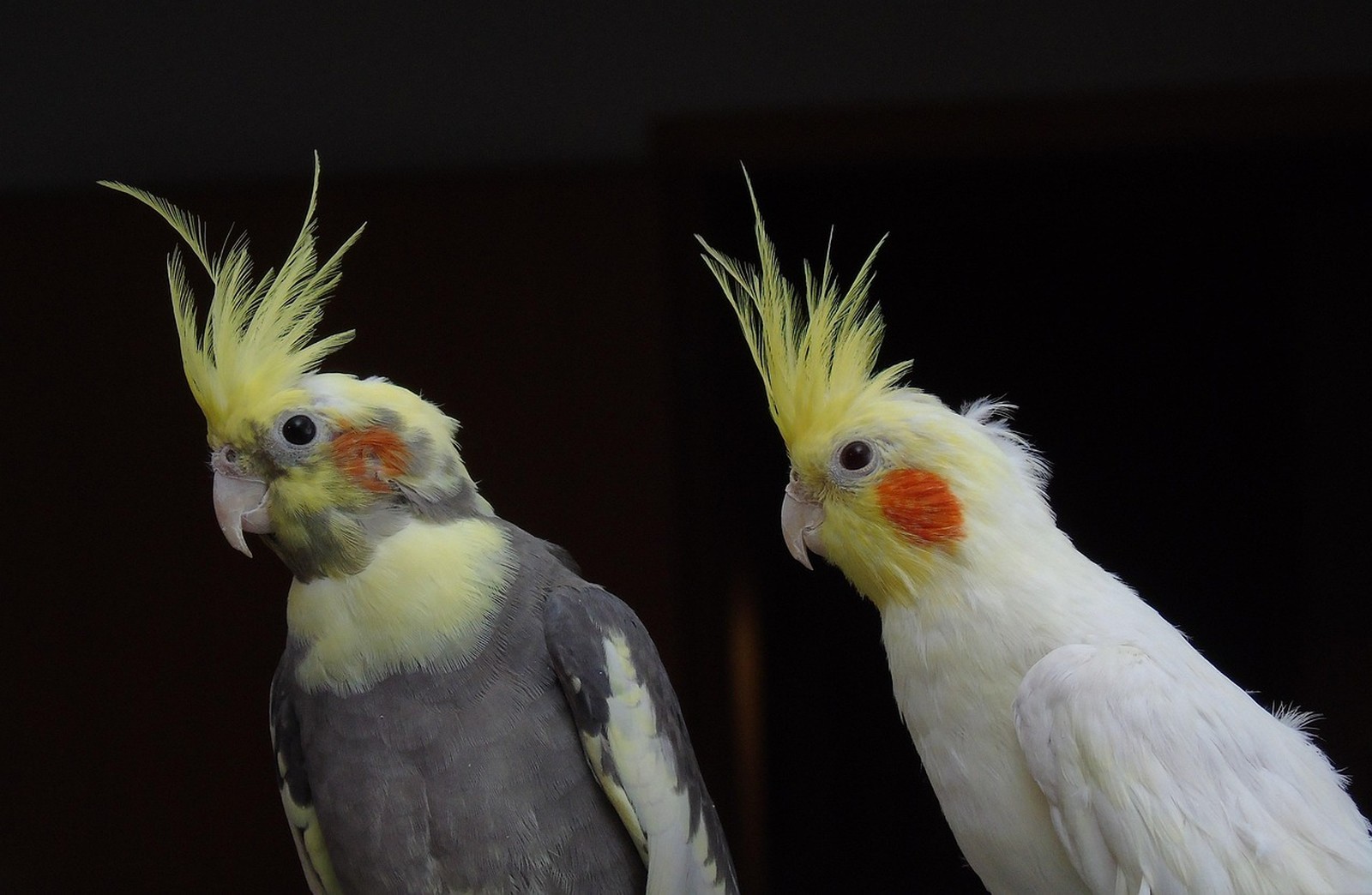
A night fright is a panic event, and cockatiels are famously prone to them. A sleeping cockatiel is a prey animal in the dark, and its survival wiring says that a sudden change means a predator: a car's headlights sweeping the wall, a shadow crossing the cage, a door closing, a pet walking past, a small earthquake-like vibration from a washing machine or a lorry outside. The bird launches off its perch and flies blindly inside the cage, crashing into bars and toys, calling out, and continuing until the light comes on or it tires. Owners are usually woken by the thrashing and the alarm calls rather than by whatever started it.
Why the panic injures cockatiels
A cockatiel's long wings and tail are a liability in a dark cage. Thrashing snaps feathers, and the serious risk is a broken blood feather: a new feather still filled with blood, which can bleed heavily when it snaps and does not always stop on its own. Birds can also bruise wings, break a toe or claw against the bars, or concuss themselves on a hard toy. That is why the morning-after check matters as much as the fright itself. In dim light, look over the wings and tail for snapped or bloodied feathers, check for blood on perches and cage paper, and watch whether the bird is holding one wing low or refusing to fly later that day. Bleeding that does not stop, a drooping wing, or a bird who stays fluffed and quiet needs a veterinarian promptly, not another night of watching.
Setting up a calmer night
Most night frights can be reduced sharply by changing the dark, not the bird. Leave a dim night-light on near the cage so a startled cockatiel can see the bars and its perch instead of flying blind; complete darkness makes panic worse, not better. Cover the cage only partly, or use a cover that leaves one side open, so light reaches the bird and a shadow is less likely to loom across a fully draped cage. Move the cage away from windows with passing traffic and away from doors that bang, keep other pets out of the bird room at night, and keep the perch and toy layout stable so a waking bird finds the geography it expects. Hanging toys that swing into a panicking bird are worth moving to the cage sides.
Responding when it happens
When thrashing wakes you, turn on a soft light and talk in a low, steady voice before you approach, and do not plunge a hand into the cage after a panicking bird, because grabbing adds a second terror and a bitten hand. Let the bird settle on a perch, then check it over as described above before dimming the room again, leaving the night-light on. Note the time and anything that might have triggered it: a storm, a delivery, a new noise in the house. Logging each fright, its likely trigger, and any feathers lost in KinsLe's Care Teams turns scattered bad nights into a pattern you can fix, and gives a veterinarian a clear history if frights ever become frequent.