
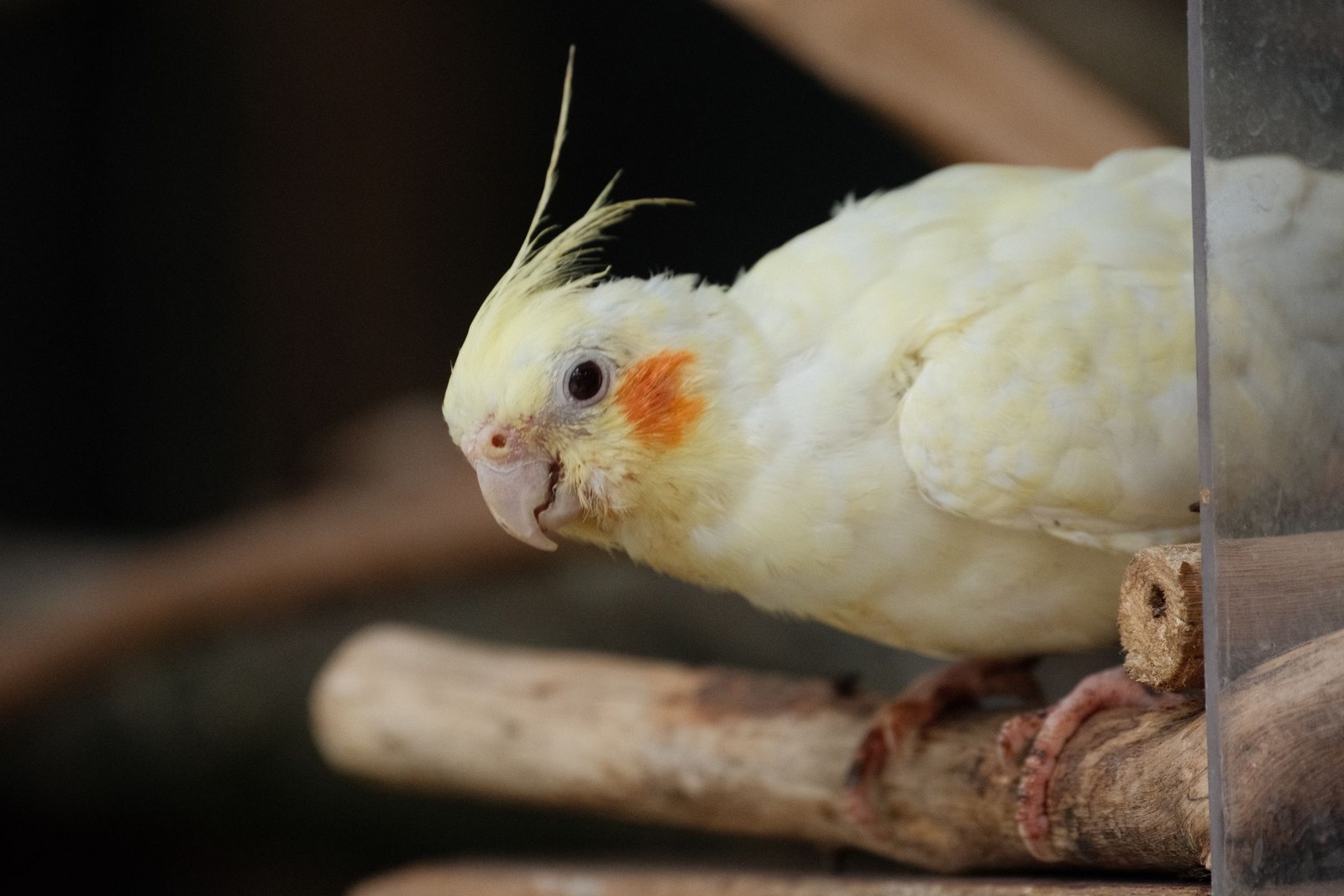
That sunrise and sunset screaming is normal flock behavior — wild cockatiels call loudly at dawn and dusk to check in with the flock, locate each other, and settle for the night. A few minutes of cheerful, piercing chatter at each end of the day is your cockatiel doing exactly what cockatiels are built to do, and it usually settles on its own.
A Roll Call, Not a Complaint
In the Australian grasslands where cockatiels evolved, flocks move between feeding grounds and roosting spots in the low-light hours. Contact calls keep the group together: "I'm here — where are you?" Your living room version is the same instinct. Morning calling often kicks off the moment light hits the cage, sometimes paired with wing stretches and a burst of energy. Evening calling is the flock gathering before sleep — your bird may be checking that you, the flock, are accounted for before lights out. Many owners notice their cockatiel quiets fastest when someone simply answers back with a whistle or a hello, completing the roll call.
What's Normal — and What Isn't
A typical pattern is five to fifteen minutes of loud calling at each end of the day, with a generally active, eating, curious bird in between. Volume that carries through the house is, unfortunately for thin walls, also normal — cockatiels are small birds with impressive pipes. Patterns worth a second look include screaming that stretches for hours, calling paired with frantic pacing or feather damage, or a normally musical bird going suddenly silent. A cockatiel that stops whistling, sits fluffed, and sleeps more than usual may be unwell, and an avian vet visit is the right next step rather than a training plan. Likewise, all-day screaming is usually about something else — loneliness, boredom, an unsettled routine, or not enough sleep — rather than the dawn-and-dusk chorus itself.
Making the Chorus Easier to Live With
You can't (and shouldn't) train away a natural flock call, but you can soften the edges:
- Control the light. A cage cover or blackout curtain that keeps mornings dark until a civilized hour delays the dawn concert; a consistent "lights out" time anchors the evening one.
- Give 10–12 hours of quiet darkness. A tired cockatiel screams more, about everything, the next day.
- Answer, then redirect. Acknowledge the roll call, uncover the cage, and offer breakfast or a foraging toy so the energy has somewhere to go.
- Build a wake-up ritual. A predictable sequence — uncover, greet, fresh water, a whistle-duet while the kettle boils — teaches your bird the morning unfolds calmly.
- Don't shout back. Yelling reads as the flock calling louder, and it can accidentally train longer sessions.
If neighbors are a concern, moving the cage away from shared walls and adding soft furnishings that absorb sound in the bird room helps more than any behavior trick.
Mornings for Singers, Not Just Screamers
Remember that cockatiels — especially males — also whistle tunes, mimic household sounds, and chatter happily through the day. That dawn energy is often when they're most inclined to practice a new whistle, so a few minutes of patient call-and-response after the initial blast can turn the loudest part of the day into training and bonding time. Females tend to be quieter overall, with softer chirps and calls, but the twice-daily check-in applies to them too.
You're Hearing a Very Familiar Soundtrack
If the twice-daily concert ever makes you feel like the only person negotiating with a tiny, feathered town crier, you are in enormous company. Fellow bird owners in KinsLe's Circle of Love — the community every free profile joins — swap exactly these stories and reassure new cockatiel keepers that the morning and evening chorus is a beloved, familiar soundtrack of life with this species. Inside the Circle of Love on KinsLe, cockatiel keepers swap the lived details behind that chorus — which cage covers bought an extra hour of quiet, how their wake-up rituals run, and why the evening call still makes them answer back.