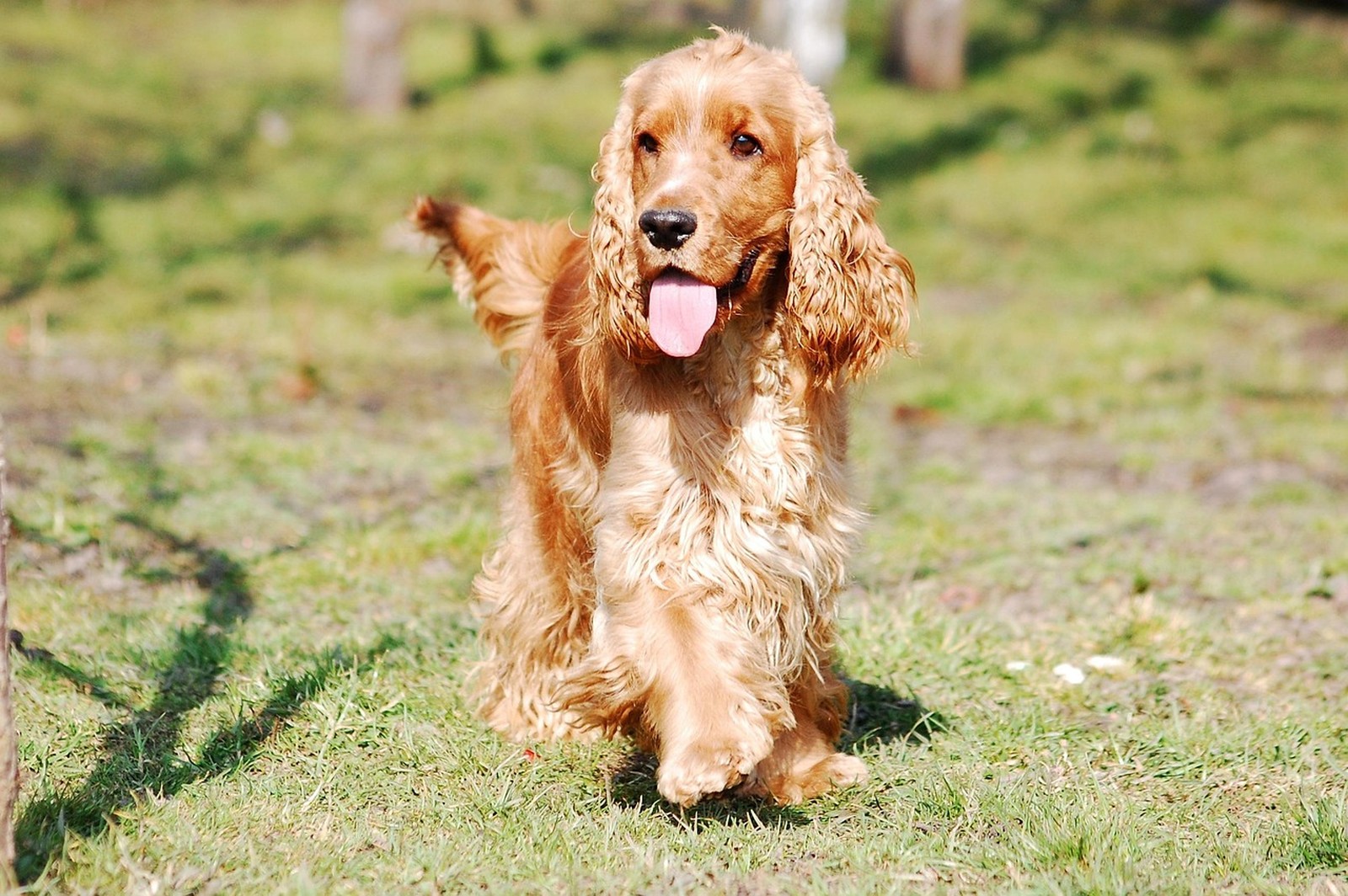
A Merry Eater Goes Quiet: Start With the Whole Dog
Cocker Spaniels are famously cheerful around food, so a bowl ignored today usually has a physical story. Begin with her general picture: is she wagging and bright on a walk, drinking normally, and passing her usual stool, or is she subdued, clingy, or restless? Cockers hide discomfort behind a wagging tail more than most breeds, which means appetite is sometimes the honest signal the rest of her body language conceals. A single quiet day with normal drinking and energy is a watch-and-note situation; a quiet day stacked with other changes is a phone call. Your job today is to gather the details that separate those two outcomes.
Check the Ears Before You Blame the Food
Those beautiful long ears are a warm, covered, moisture-holding space, and ear discomfort is one of the most common reasons a Cocker loses her sparkle at the bowl. Chewing moves the jaw right beside the ear canal, so a sore ear can make eating genuinely unpleasant. Sniff each ear for a yeasty or sour smell, look for redness or dark discharge at the entrance, and notice head shaking, ear scratching, or a head tilted to one side. If she flinches when an ear is touched or rubs her head along the floor, put ears at the top of your list when you call the vet, and do not poke anything down the canal at home.
Spaniel Stomachs and Yesterday's Riches
The other everyday trail leads to the stomach. Cockers are enthusiastic scavengers on walks and persuasive beggars at home, and a fatty titbit, a new chew, or a bin raid can produce a gurgly, nauseous morning with breakfast declined. Lip-licking, swallowing, drooling, eating grass, and a looser stool are the supporting clues. Keep today's food entirely familiar and modest, offer water steadily, and skip treats until her stomach has clearly settled. A spaniel whose tail is back up and who is watching your lunch by afternoon was almost certainly describing a dietary misadventure rather than illness.
Mouth, Teeth, and the Older Cocker
If ears smell clean and the stool is normal, look in her mouth. Cockers develop dental disease readily, and a sore tooth or inflamed gums can make a dog who wants food back away after the first hard piece. Chewing on one side, dropping kibble, or preferring soft food are the giveaways. Gently lift the lips, check for redness or a damaged tooth, and test whether she accepts her usual food softened with warm water. Eating the softened version eagerly is useful evidence, not a solution — mouth pain needs a dental examination, and the sooner it is booked, the sooner proper meals stop hurting.
When a Cocker's Refusal Should Be Seen
Arrange a veterinary visit if she is still refusing tomorrow, and call today if refusal arrives with vomiting, diarrhea, ear pain or discharge, head shaking that will not settle, or a dog who is flatter than her normal merry self. Older Cockers and those with ongoing conditions deserve the shorter timeline, and any dog refusing water as well as food should be seen the same day. Describe the sequence precisely when you call: which came first, the ear signs, the stomach signs, or the refusal. Laying out that sequence from her KinsLe Pet Passport helps the vet decide whether to start with ears, stomach, or teeth.