
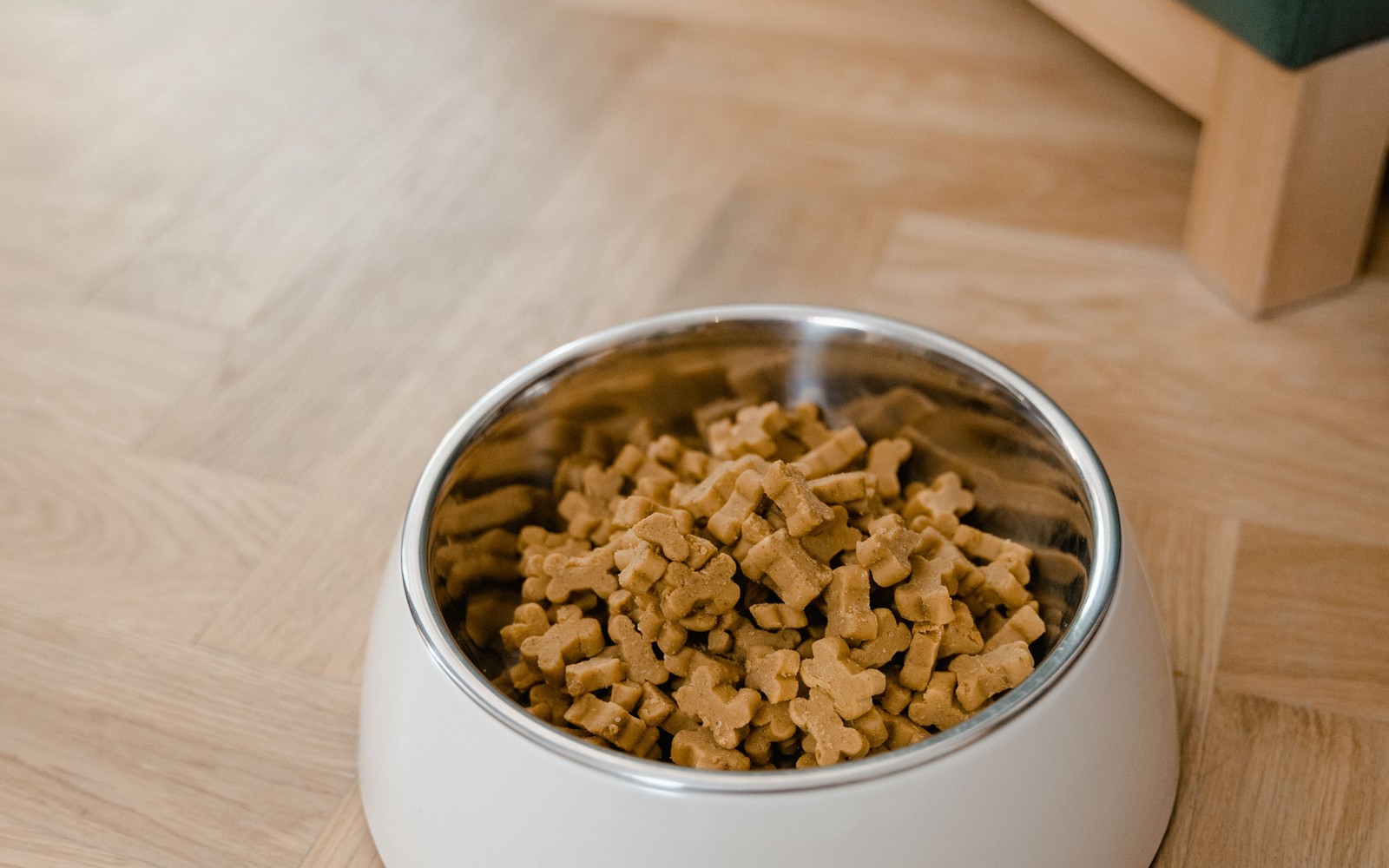
Yes, it is very common — many senior dogs gain weight on exactly the same food they have eaten for years, because their metabolism slows, they move less, and stiff or sore joints quietly discourage the activity that used to burn those calories off. The frustrating loop is that extra weight then loads those same joints even more, so a dog moves less, gains more, and gets stiffer still.
Why the Same Bowl Now Adds Up Differently
Think of your older dog's energy budget shrinking from both ends. Muscle mass naturally declines with age, and muscle burns more calories at rest than fat does, so even a resting senior needs less food than he did at five. At the same time, a Greyhound who once tore around the park or a Collie who walked five miles without thinking about it may now prefer two short, sniffy outings.
Hormones and underlying health can play a part too, which is why a vet check matters before you simply cut his food. An underactive thyroid and other conditions can contribute to weight gain in older dogs, and pain itself is a cause — a dog who hurts does not exercise, however willing he looks when the lead appears.
Breed matters as well. Labradors and Beagles are famously efficient at turning any surplus into padding, while a senior Whippet may show gain differently. What matters is your individual dog's body condition: you should be able to feel his ribs with light pressure, see a waist from above, and see a tuck from the side.
Adjusting Food Without Cutting Nutrition
Do not just halve his dinner. Senior dogs still need high-quality protein to maintain muscle, and crash dieting can leave an older dog undernourished even while he still looks round. Your vet can help you set a target weight, choose whether a senior or weight-management food suits him, and work out measured portions — ideally weighed on kitchen scales, because a cup scooped by different family members can vary wildly.
Treats count, and they are often the hidden culprit. That nightly chew, the biscuit from the neighbour, and training tidbits can equal a second small meal. Try swapping some treats for a piece of his measured daily kibble, a green bean, or a blueberry, and make sure everyone in the house knows the plan.
Movement helps, but build it kindly: an extra short walk, gentle play, and sniff games spread through the day suit arthritic joints far better than a sudden weekend hike.
The Secret Second Dinner Problem
In multi-person households, the most common cause of mystery weight gain is not metabolism at all — it is love, twice. One person feeds the dog at six, another assumes he has not been fed because he is performing hunger beautifully at seven, and a senior dog is far too wise to correct the error. Teenagers, grandparents, and partners on different schedules are all capable of this kindness.
How Care Teams Stop Double Feeding
KinsLe's Care Teams were made for exactly this household tangle. Family members can assign and log feeding duties with timestamped completions, so when your dog gives you those starving eyes at 7 p.m., you can check whether his measured meal was already logged at six. Walks and medications can be assigned in the same place, which keeps portions, timing, and activity consistent — crucial when you are trying to see whether a new feeding plan is actually working. Weigh him every two to three weeks, record it, and adjust with your vet if the trend does not move. Care Teams on KinsLe gives his weight plan a written home — the weighed breakfast going to a named member of the household, the evening portion to another, and a treat drawn from his daily allowance to a third — with each duty marked complete and timestamped, so a pleading look at seven earns a check of the log, not another meal.