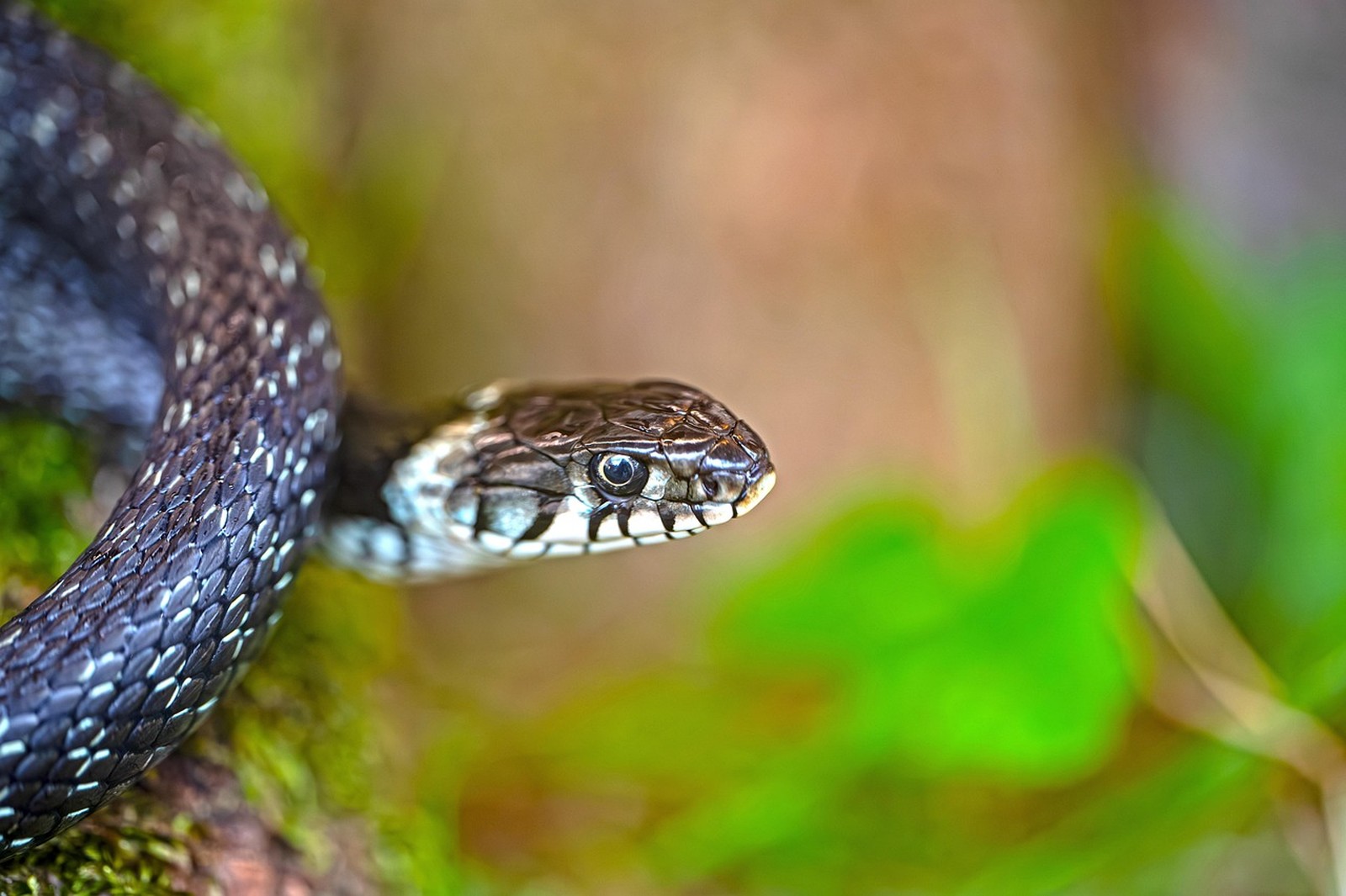
Flakes and patches instead of one clean skin — dysecdysis — usually trace back to air that is too dry for the old skin to release. Humidity near fifty to sixty percent suits many common species around a shed, with tropical species needing more, and a real hygrometer tells you the number guessing cannot. Rough rubbing surfaces and steady hydration help the snake work the skin loose. Other contributors include temperatures running low, skin damage or old scars, mites, and poor nutrition. The snake's own behaviour sets the timeline: eyes cloud blue, then clear, then the shed follows within days; skin that stays stuck well after that window, across more than one shed, is the pattern to fix.
Helping a Stuck Shed Safely
Add a humid hide (a hide containing damp sphagnum moss or paper towel) — most snakes will use it and finish the job themselves — and check the enclosure readings honestly. For skin that remains stuck, a shallow lukewarm soak (belly-depth, supervised, 20 to 30 minutes) softens it, after which the snake crawling through a damp towel often removes the rest; never pull shed off dry, and never pull at the eye caps (spectacles) at all. Retained spectacles and shed ringed tightly around the tail tip are the two places stuck shed turns dangerous — eye caps left in place damage the eyes beneath, and tail-tip rings cut circulation and can cost the tip — so those two go to a reptile vet rather than home efforts. If every shed is a bad shed despite correct measured humidity, that itself is the finding: repeated dysecdysis can reflect illness, and a check is warranted.
Working With Your Vet
Bring this snake's shed timeline to the appointment: the day its eyes clouded, the day they cleared, the humidity readings you measured, and clear photos of any skin still attached. Tell the vet what soaks or humid-hide access you already tried, because that history separates a husbandry gap from a shed that resists correct conditions. Diagnosis stays with the veterinarian who examines the snake; your dated material simply gives that examination a running start.
Retained eye caps, shed constricting the tail tip, or stuck shed with skin redness or damage underneath need a reptile vet promptly — never pull at eye caps at home.
Between sheds, keep a short record for this snake alone: each shed's date, whether the skin came away whole, which areas stayed stuck, and what the hygrometer read that week. Add any soak's date and length, plus whether a humid hide was offered and used. Two patchy sheds in a row then read as a pattern with conditions attached, not as two isolated surprises, and the second shed can be prepared for before the eyes even cloud.
That history travels through KinsLe as a Pet Passport — a single packet with humidity readings, soak notes and earlier vet findings, ready whenever stuck skin needs professional eyes.