
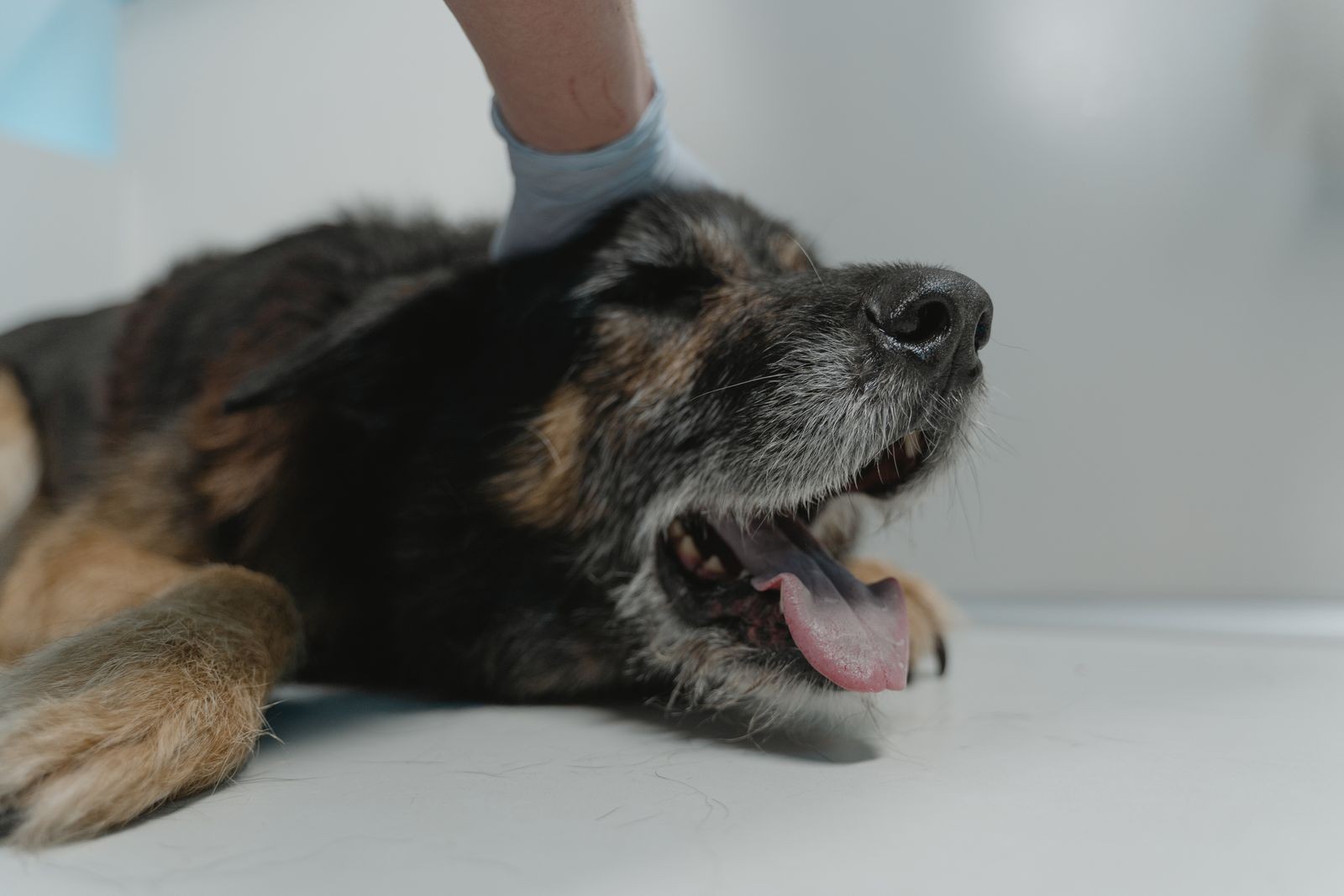
Joint supplements can be worth it as one part of a broader joint-care plan, and many owners and veterinarians use glucosamine and chondroitin products for aging or large-breed dogs. They are generally considered a low-risk addition, but they are support, not a cure, results vary by dog, and they work best alongside weight control, sensible exercise, and veterinary care.
What these supplements are trying to do
Glucosamine and chondroitin are compounds associated with cartilage, the cushioning tissue in joints. Supplemental versions aim to support joint structure and comfort as that cushioning thins with age, wear, or conditions such as arthritis and hip dysplasia. Some products add ingredients like MSM or omega fatty acids. The honest expectation is gradual and modest: owners often judge success over several weeks by easier rising, more willingness to walk, or smoother stairs, not by an overnight transformation.
Evidence is mixed and product quality varies widely, which is exactly why brand choice matters more here than with many purchases.
Choosing a product without wasting money
Ask your veterinarian which products they trust for a dog of your dog's size and condition. Vets see which brands use quality ingredients, sensible amounts, and independent testing, and which are mostly marketing. A few practical rules help:
- Choose products made specifically for dogs, with clear ingredient amounts per chew or scoop.
- Prefer brands that use third-party quality testing and clear labeling.
- Give any new supplement a fair trial of several weeks before judging it, unless your dog reacts badly.
- Introduce one new product at a time, so you know what helped or what upset his stomach.
Stop and check with your vet if you see vomiting, diarrhea, appetite changes, or anything that worries you, and always mention supplements at appointments, because they belong in his full medication picture.
The joint-care pieces that matter even more
No chew can outwork extra weight. Every surplus pound multiplies the load on sore hips, elbows, and knees, so keeping an arthritic dog lean is one of the most powerful comfort measures available. Pair that with regular, moderate exercise rather than weekend warrior bursts, good footing at home, ramps or steps for cars and sofas, and a supportive bed in a warm spot away from drafts.
If your dog is limping, lagging badly, crying out, or struggling to rise, that is pain territory, not supplement territory. Your vet needs to assess him and discuss proper pain management; do not try to medicate him yourself.
Keep supplements in the full picture with KinsLe
It is easy for supplement details to live on a sticky note while medications live somewhere else. KinsLe's Pet Passport is the records packet for vaccines, medications, allergies, and documents, so you can keep supplement names, amounts, and start dates right alongside his medications in one packet. That complete picture can be shared with your vet or sitter, so everyone caring for him works from the same information.
Adding start dates and chew amounts to his Pet Passport on KinsLe means a sitter or relief feeder follows the same joint routine you settled with your vet.